
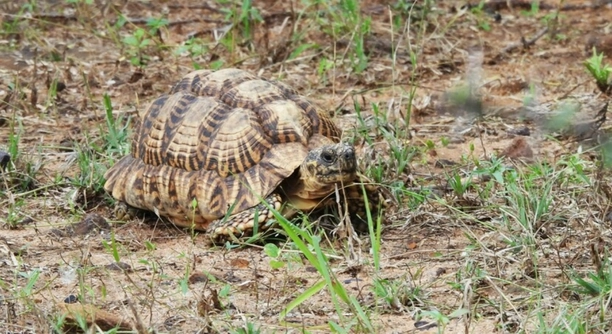
Your star tortoise may be attempting to flip itself over more often than you’d expect. This behavior is puzzling, especially if you’re unsure why it’s happening. Understanding the causes behind it can help keep your tortoise happy and healthy.
The most common reason for a star tortoise trying to flip itself over is its natural instinct to explore and test its environment. Tortoises may also struggle with their shells or attempt to right themselves if they’re in an awkward position.
There are several reasons this behavior may occur, and identifying the cause can help ensure your tortoise’s well-being. It’s essential to look at different factors and provide a safe space for your pet.
Shell Shape and Size
One reason your star tortoise may try to flip itself over is the shape and size of its shell. A tortoise’s shell is designed for protection, but it can also create balance issues, especially if the shell is too large or heavy in relation to its body size. When a tortoise flips over, it can be a struggle to right itself due to the awkward positioning of its legs and shell. If your tortoise is having trouble moving around on its own, it could be due to the structure of its shell, which makes flipping more difficult.
In many cases, the shape of the shell can make it harder for the tortoise to balance correctly, leading it to try to flip itself back over when it’s on its back.
If your star tortoise is struggling frequently with flipping over, you may want to check if it’s having difficulty moving because of the shell. A well-maintained and healthy tortoise shell should support its movement without causing imbalance. If your pet is having trouble, consulting a veterinarian can provide insights into how to better care for its shell and help with movement.
Environmental Factors
Sometimes, your star tortoise’s environment could be playing a part in the behavior. If there are obstacles or uneven surfaces in its habitat, these could make it harder for your tortoise to move freely. Small spaces or overcrowded enclosures can lead to frustration, causing your pet to try and flip over while searching for more room.
Ensuring a spacious, well-maintained enclosure with smooth surfaces allows your tortoise to move around easily. This will reduce the chances of it trying to flip over due to stress or lack of movement. Additionally, regular cleaning and keeping the habitat organized are important in preventing accidents.
Lack of Sufficient Food
When a star tortoise isn’t getting enough food, it may exhibit strange behaviors like trying to flip itself over. Low food intake can affect its energy levels and lead to stress, which may cause restlessness. Over time, a hungry tortoise might try flipping itself over as an outlet for its frustration or to search for more food.
Tortoises are opportunistic feeders, and if they feel they are not getting the proper nutrients, they might display odd behaviors like flipping. Their behavior could stem from an instinct to seek out resources or explore their environment further. You should provide a balanced diet and regular feeding schedule to prevent this.
A lack of food may also lead to dehydration. Star tortoises are herbivores, so they depend on fresh greens, vegetables, and clean water for hydration. If your pet isn’t eating or drinking enough, it might feel weak or confused, leading to difficulty navigating its enclosure. Ensuring your tortoise is getting the right nutrients and staying hydrated can help prevent such actions.
Temperature Issues
Star tortoises are highly sensitive to temperature changes, and if the environment is too hot or cold, they may act in unusual ways. If the enclosure isn’t at the correct temperature, your tortoise may flip itself over while trying to find a comfortable spot. A cold environment can slow down its movements and make it more likely to struggle with mobility.
Proper heat sources like a basking lamp and UVB light are crucial for your tortoise’s health. The ideal temperature range for star tortoises is between 75-85°F during the day, with a basking spot reaching around 95°F. At night, temperatures should drop to about 70°F. If your tortoise is constantly flipping over, checking the temperature in its habitat might reveal that it’s too hot or cold for comfort.
It’s essential to monitor the temperature regularly using a thermometer. If the temperature fluctuates, it could lead to unnecessary stress or inactivity in your tortoise. If adjustments aren’t made, it may result in health problems down the line, causing your tortoise to try flipping over due to discomfort. Keeping the enclosure at a stable temperature will improve your pet’s overall well-being.
Illness or Injury
Illness or injury can cause a star tortoise to flip itself over. If your tortoise is feeling weak, in pain, or unable to move properly, it might struggle with flipping itself. This could happen due to an infection or injury that limits its strength or mobility.
Injuries may cause your tortoise to move awkwardly, leading to flipping. If you notice your pet struggling to walk or showing signs of distress, it’s a good idea to have it checked by a vet. Illnesses such as respiratory infections or shell rot can affect the tortoise’s ability to right itself.
Stress
Tortoises, including star tortoises, can become stressed by sudden changes in their environment. Moving to a new habitat, loud noises, or interaction with other animals might trigger anxiety. This stress can lead to strange behaviors, including flipping over. Stress can also impact your tortoise’s health over time.
Managing your tortoise’s environment is key to reducing stress. A quiet, safe space where it feels secure will help your tortoise remain calm. You can also limit interactions if your tortoise seems overwhelmed. Reducing stress will help it stay healthy and prevent unnecessary flipping behavior.
Overbreeding or Aggression
Male star tortoises may display aggressive behaviors if they are overbreeding or competing with others. This aggression can lead to restlessness, causing the tortoise to attempt flipping itself as a way to get away or assert dominance. Overbreeding situations also contribute to higher stress levels, which can affect behavior.
If you have multiple tortoises in the same space, be mindful of their interactions. Overcrowding or improper handling can create unnecessary tension and cause your pet to feel unsettled. Separating tortoises during breeding seasons or managing their environment can help reduce aggressive behaviors and improve their overall well-being.
FAQ
Why is my star tortoise flipping itself over?
Your star tortoise may be flipping itself over due to a variety of reasons. Common causes include an imbalance in its shell, environmental factors such as temperature or space, or even health issues. Stress or hunger can also play a role, causing your tortoise to act out of frustration. Assessing the habitat, diet, and any signs of illness or injury can help determine the root cause.
Can flipping over be harmful to my star tortoise?
Flipping over can be dangerous for your tortoise if it happens frequently. It may cause injury to its shell or limbs, especially if the tortoise is left on its back for extended periods. Prolonged flipping can also result in dehydration, stress, and even digestive issues if the tortoise is unable to right itself.
How can I prevent my star tortoise from flipping over?
To prevent flipping, ensure that your tortoise has a suitable environment. This includes a spacious enclosure with smooth surfaces, the right temperature, and a consistent diet. You can also provide gentle barriers around its habitat to prevent it from flipping while exploring. Keep the environment stress-free and ensure your tortoise is not overcrowded.
Should I help my star tortoise if it flips over?
Yes, it’s essential to help your tortoise right itself if it flips over. Star tortoises, like other species, can struggle to turn themselves back upright. Gently flipping your tortoise back onto its feet can prevent injury and stress. However, if the flipping is frequent, you may need to assess the cause.
Is my star tortoise’s behavior related to its shell size?
Yes, the size and shape of your star tortoise’s shell can affect its balance. If the shell is too large for its body or malformed, it can make it harder for the tortoise to move around comfortably. This could cause it to try flipping over in an attempt to adjust its position or posture.
Can poor diet lead to flipping behavior in star tortoises?
A poor diet can indeed contribute to abnormal behaviors, including flipping. If a star tortoise isn’t getting the proper nutrients, it may lack energy and become stressed, leading to attempts to flip itself over. Ensuring a balanced diet of fresh vegetables, leafy greens, and clean water is crucial to preventing this behavior.
How does temperature affect my star tortoise’s flipping behavior?
Temperature plays a significant role in your star tortoise’s behavior. If it’s too cold or too hot in its environment, your tortoise may become lethargic or stressed, making it more prone to flipping over. Maintaining an ideal temperature range of 75-85°F during the day and 70°F at night is essential for your pet’s well-being.
Can stress cause my star tortoise to flip over?
Yes, stress can lead to flipping behavior in star tortoises. Factors like sudden changes in the environment, loud noises, or excessive handling can cause your tortoise to become anxious or agitated. It may try to flip over as a response to its stress. Ensuring a calm, quiet environment is key to preventing stress.
How often should I feed my star tortoise?
Star tortoises should be fed daily with a variety of fresh vegetables and leafy greens. A regular feeding schedule is important to ensure they receive the nutrients they need for energy and proper health. Overfeeding or underfeeding can both cause issues, so it’s essential to provide the right amount each day.
Can illness make my star tortoise flip over?
Yes, illness or injury can make your tortoise more prone to flipping. Health issues like respiratory infections, shell rot, or digestive problems can affect its mobility and cause it to struggle with movement. If your tortoise seems to flip often, or shows signs of illness such as lethargy, loss of appetite, or a lack of coordination, a visit to the vet is recommended.
What should I do if my star tortoise seems weak or sick?
If your star tortoise seems weak or shows signs of illness, it’s important to take immediate action. Isolate the tortoise in a clean, safe environment and monitor its condition closely. Provide fresh food and clean water, and avoid handling it too much. If symptoms persist or worsen, a trip to the vet is necessary for diagnosis and treatment.
Final Thoughts
If your star tortoise is flipping itself over, it’s essential to figure out the cause. While this behavior can sometimes be harmless, it can also be a sign of deeper issues. It’s not uncommon for tortoises to try to flip themselves in certain situations, like when they are feeling stressed, hungry, or uncomfortable in their environment. Identifying the root cause is important to prevent further issues and ensure your tortoise stays healthy and happy. By paying close attention to the condition of its shell, diet, and habitat, you can make the necessary adjustments to reduce or eliminate the flipping behavior.
Creating a safe, comfortable environment for your star tortoise is key. Providing a spacious and clean enclosure, along with the correct temperature and humidity levels, will help prevent stress and make it easier for your tortoise to move around. Additionally, offering a balanced diet with proper hydration will support your tortoise’s overall health and energy levels. If the flipping continues despite environmental improvements, consider checking for signs of illness or injury. Any health concerns should be addressed quickly with the help of a vet.
Ultimately, understanding your tortoise’s behavior is important for its well-being. Every tortoise is different, and the causes behind flipping can vary from one pet to another. With a little patience and care, you can resolve this behavior and ensure that your star tortoise enjoys a long, healthy life. Keep monitoring its environment, offer the right diet, and make sure there are no underlying health issues. The right care will make all the difference in keeping your star tortoise happy and safe.

Hello,
If you enjoy the content that we create, please consider saying a "Thank You!" by leaving a tip.
Every little bit helps us continue crafting quality advice that supports the health, happiness, and well-being of pets around the world, for pets of all shapes, sizes, and species.
We really appreciate the kindness and support that you show us!