
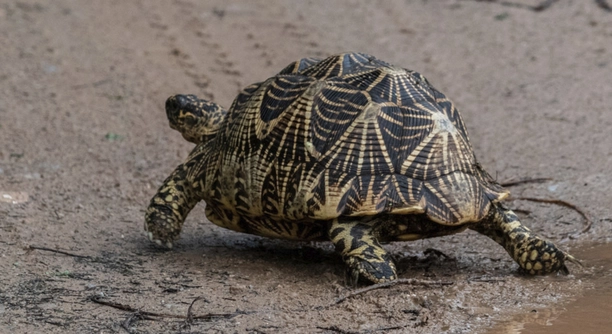
A star tortoise is a fascinating pet to have, but it’s important to make sure its living environment is just right. One aspect that often gets overlooked is the temperature of its enclosure.
Excessive heat in a star tortoise’s enclosure can lead to stress, dehydration, and other health issues. It’s essential to monitor the temperature to ensure it remains within the recommended range of 85-95°F (29-35°C) for optimal well-being.
Understanding these signs can help you maintain a comfortable and safe environment for your star tortoise. By observing its behavior and habits, you can ensure that your pet stays healthy and happy.
Lack of Appetite
If your star tortoise is not eating as much as usual, the temperature in its enclosure might be too high. Overheating can cause it to feel sluggish and reduce its interest in food. It’s natural for tortoises to adjust their eating habits to changes in their environment, so a sudden loss of appetite can be a sign that something is wrong.
A star tortoise’s appetite should remain steady, and if it starts refusing food consistently, it’s worth considering the enclosure temperature. Keep a close eye on their behavior.
In the wild, these tortoises are used to basking in the sun and moving around, but a too-hot environment inside their enclosure may leave them unwilling to search for food. They may even become stressed or lethargic. If your star tortoise is displaying these signs, check the temperature to ensure it’s within the appropriate range. Gradually adjusting the temperature to a cooler level can help your tortoise regain its appetite. Avoid sudden changes, as it may take time for them to feel comfortable enough to eat again.
Excessive Hiding
If your star tortoise is spending more time in hiding or avoiding its usual roaming areas, this could signal that it is too warm. They may retreat to cooler spots, indicating discomfort.
When the heat becomes overwhelming, your star tortoise will instinctively seek refuge in cooler areas, such as underneath rocks or plants. This behavior is their way of escaping an environment that is causing them stress.
It’s important to monitor the temperatures in your star tortoise’s enclosure and make adjustments when needed. While hiding is a natural behavior for a tortoise, excessive hiding can lead to a lack of exercise, which is essential for their well-being. Ensure that there are areas of shade and a cool retreat where your tortoise can rest comfortably. By providing the right balance of temperature, you’ll encourage healthy behavior and keep your star tortoise active and engaged.
Rapid Breathing
If you notice your star tortoise breathing quickly, it could be a sign that the temperature is too high. This is a clear response to overheating. Rapid breathing is a way for the tortoise to try and regulate its body temperature.
When a tortoise is overheated, it tries to cool down by breathing faster, which is not a healthy response. If you spot this behavior, it’s essential to check the temperature in its enclosure immediately. Star tortoises require a consistent temperature of around 85-95°F (29-35°C). If it exceeds this range, they may show signs of distress.
Maintaining proper temperature gradients with cooler areas in the enclosure will allow your tortoise to regulate its body heat naturally. Avoid placing any heat lamps or direct light near their hiding spaces to ensure they have a comfortable spot to rest. If your star tortoise continues to show rapid breathing, it may be time for a more thorough review of the entire setup to keep its environment safe and comfortable.
Lethargy and Weakness
Lethargy or weakness is another common sign of overheating in star tortoises. When their environment becomes too hot, they might become excessively slow and inactive. This can be a clear signal that the temperature is causing stress.
A healthy star tortoise should remain relatively active, especially during the day when it’s most likely to be active in the wild. If your tortoise is avoiding movement or acting unusually sluggish, it might not be getting the proper cooling it needs. This behavior can lead to a weakened state, making your tortoise less interested in feeding and moving around.
Check the temperature inside the enclosure and ensure there are cooler spots available for your tortoise to seek relief. Make sure the heat source isn’t too intense, as prolonged exposure to high temperatures can lead to dehydration. Keeping a thermometer and hygrometer in the enclosure will help you monitor the environment and prevent overheating. With proper care, you can help your star tortoise regain its energy and feel more active.
Open Mouth and Panting
If your star tortoise is keeping its mouth open and panting, it could be trying to cool itself down due to excessive heat. This behavior should not be ignored, as it is a clear sign of discomfort.
Panting is a common way for tortoises to release excess heat. However, if the temperature is too high, they might overheat and become stressed. Open-mouth breathing combined with panting is a serious indicator that the heat in the enclosure needs adjustment. Ensure that the temperature gradient allows your tortoise to access cooler areas when needed, helping it recover from heat stress.
Dehydration Signs
Dehydration often accompanies an overheated environment, leading to your star tortoise showing signs like sunken eyes or dry skin. These signs should be addressed immediately.
If your tortoise is experiencing dehydration due to high temperatures, it may stop eating and become more lethargic. Always ensure that there is fresh, accessible water in the enclosure. Along with proper hydration, a temperature drop in the enclosure can encourage your tortoise to recover.
FAQ
What is the ideal temperature range for my star tortoise’s enclosure?
The ideal temperature for a star tortoise’s enclosure is between 85°F to 95°F (29°C to 35°C). You should maintain a warm side where the temperature is higher and a cooler side where the tortoise can retreat when it feels too hot. This allows your tortoise to regulate its body temperature by moving between the different areas.
How can I check if the temperature is too high for my tortoise?
You can monitor the temperature with a thermometer placed in the enclosure. If your tortoise starts showing signs of distress, such as rapid breathing, lethargy, or excessive hiding, it may be a sign that the temperature is too high. It’s also a good idea to check the heat sources regularly to ensure they aren’t too close or powerful.
Can I use a heat lamp to regulate the temperature?
Yes, a heat lamp can help regulate the temperature, but make sure it’s not too close to your star tortoise. A basking spot with a temperature of 90°F to 95°F (32°C to 35°C) is ideal, while the rest of the enclosure should be cooler. Always monitor the heat lamp’s distance to avoid overheating.
How do I know if my tortoise is dehydrated?
Signs of dehydration include sunken eyes, dry or wrinkled skin, and a lack of appetite. If your tortoise is not drinking water or appears more sluggish than usual, dehydration could be the issue. Ensure fresh water is always available and mist the enclosure if needed to maintain humidity levels.
Should I mist my tortoise’s enclosure?
Misting the enclosure can help increase humidity and provide your tortoise with extra hydration. However, be cautious not to overdo it, as too much moisture can cause other issues like mold. Aim for a humidity level between 40% and 60%, which you can monitor with a hygrometer.
Can I place my star tortoise outdoors to regulate its temperature?
If you live in a warm climate, placing your star tortoise outside during the day is an option. However, you must ensure that the area is safe, shaded, and not too hot. Always bring your tortoise back inside during extreme temperatures, rain, or any potential threats.
How often should I check the temperature in the enclosure?
It’s a good idea to check the temperature at least once a day to ensure it’s staying within the ideal range. Temperature fluctuations can happen quickly, especially if the enclosure is exposed to direct sunlight or changes in weather. Keeping a constant watch will help avoid potential overheating.
What are the signs of an over-heated star tortoise?
An overheated star tortoise will display signs such as excessive panting, rapid breathing, lethargy, hiding more than usual, and a lack of appetite. If you notice these behaviors, it’s crucial to adjust the temperature immediately and provide a cooler area for your tortoise to rest in.
Can high temperatures affect my tortoise’s shell?
Prolonged exposure to high temperatures can cause stress and health problems, including issues with the tortoise’s shell. Overheating can lead to dehydration, which can affect shell health, leading to softness or other shell deformities. Regularly check your tortoise’s shell and ensure the enclosure’s temperature is regulated.
What should I do if my star tortoise is showing signs of heat stress?
If your tortoise is showing signs of heat stress, immediately move it to a cooler area in the enclosure. Offer water to rehydrate and make sure the temperature is reduced to a safe level. If the symptoms persist, consider contacting a reptile vet for further advice.
Can a star tortoise tolerate high humidity levels?
Star tortoises prefer a dry environment with moderate humidity. Too much humidity can lead to respiratory issues or skin infections. Keep the humidity between 40% and 60%. If the humidity is too high, adjust misting levels or improve ventilation to prevent issues.
What is the best way to cool down my tortoise’s enclosure?
If the enclosure gets too hot, reduce the heat source’s intensity or move it further away from the tortoise. You can also use a fan to circulate air and help cool the area down. Adding more hiding spots with natural shade can also help your tortoise find relief.
How do I ensure my star tortoise’s health is not compromised by temperature changes?
Consistency is key. Avoid drastic temperature changes and maintain a balanced environment. Regularly monitor both temperature and humidity levels, and make sure your tortoise has access to both warm and cool areas to regulate its body heat. Proper care and attention to these factors will help keep your tortoise healthy.
Should I be concerned if my star tortoise becomes more active in cooler temperatures?
Yes, a star tortoise might become more active when the temperature cools down. This is normal and part of their natural behavior. If they’re becoming too active at night or in cooler areas, check the overall temperature to ensure it’s not dropping too low, as tortoises still need warmth to function properly.
Final Thoughts
Keeping a star tortoise happy and healthy involves maintaining the right conditions in its enclosure, and temperature is one of the most important factors. If the temperature gets too high, your tortoise can become stressed, lethargic, and even dehydrated. Recognizing the signs of overheating, such as rapid breathing, excessive hiding, and lack of appetite, is essential in helping you address the problem before it worsens. Ensuring your star tortoise has access to cooler spots where it can regulate its body temperature is just as important as providing a basking area for warmth.
Proper humidity is another factor to keep in mind. While star tortoises prefer a dry environment, too much dryness or humidity can cause problems. Keeping the humidity levels between 40% and 60% will allow your tortoise to stay healthy without being exposed to conditions that could harm its skin or respiratory system. Additionally, always make sure there’s clean water available for drinking and soaking, which will help prevent dehydration, especially if the temperature in the enclosure gets too high. A consistent daily check on temperature and humidity will go a long way in maintaining the perfect environment for your tortoise.
It’s crucial to pay attention to your star tortoise’s behavior and adjust its environment when necessary. Overheating can lead to serious health issues, so keeping a thermometer and hygrometer in the enclosure is an easy way to stay on top of things. With proper care, your star tortoise will live a long and healthy life. Ensuring a balanced temperature, proper hydration, and the right amount of humidity will help you create the best environment for your pet. It’s always better to prevent any problems before they occur, so regular monitoring and small adjustments can help keep your tortoise comfortable and thriving.

Hello,
If you enjoy the content that we create, please consider saying a "Thank You!" by leaving a tip.
Every little bit helps us continue crafting quality advice that supports the health, happiness, and well-being of pets around the world, for pets of all shapes, sizes, and species.
We really appreciate the kindness and support that you show us!