
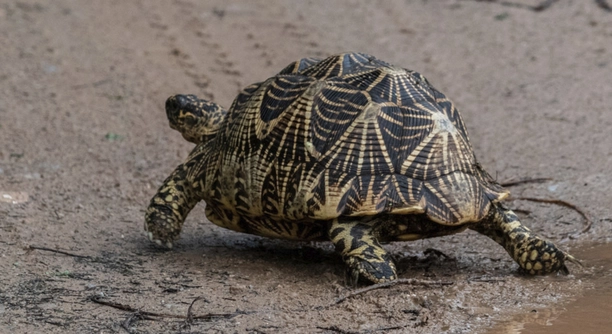
Sometimes, pet owners notice their star tortoises hissing, which can leave them wondering what’s going on. This behavior can be a bit confusing, especially if you’re unsure why it’s happening.
Hissing in star tortoises often indicates stress, fear, or discomfort. It can also result from feeling threatened, a sign of territoriality, or even due to changes in their environment. Understanding these causes can help you manage the situation better.
There are several reasons why your star tortoise might be hissing. Each cause has its own solution to help ease your pet’s discomfort.
Stress and Anxiety
Stress is one of the most common reasons for a star tortoise to hiss. Tortoises are sensitive to their environment, and changes can make them feel uneasy. A new setting, unfamiliar scents, or loud noises might cause your tortoise to retreat into its shell, hissing as a way to warn you of its discomfort. When these creatures are stressed, their first instinct is to protect themselves, and hissing is one way they express that anxiety.
You might notice your tortoise hissing when you approach its habitat or during handling. It may also happen if it’s placed in a new or unfamiliar place. Ensuring a quiet, calm environment for your tortoise can help reduce its stress.
To minimize stress, try to keep its living space as consistent as possible. Avoid sudden changes and offer hiding spots where your tortoise can feel safe. Make sure to observe your pet closely and take notice of any patterns that could point to a stressor. This will help keep your tortoise calm and healthy.
Poor Habitat Conditions
Another reason your star tortoise may hiss is because its habitat conditions aren’t suitable. The wrong temperature, humidity, or lighting can make it uncomfortable. Star tortoises are particularly sensitive to changes in their environment, and poor habitat conditions can lead to stress or health issues.
A proper enclosure with correct heat and light levels is essential. The basking area should be between 90-100°F, and the cooler side of the enclosure should be around 75-85°F. Inadequate humidity can also cause problems, especially with their skin and respiratory health. Too dry or too moist conditions can lead to discomfort.
If your star tortoise is frequently hissing, consider checking its habitat conditions. Adjusting the temperature, humidity, and lighting may help your pet feel more at ease. Regular maintenance of its environment ensures a healthy and comfortable living space, which can prevent hissing due to discomfort.
Illness or Injury
A hissing tortoise could be showing signs of illness or injury. When they’re in pain, they may hiss to express discomfort or frustration. It could be something simple, like a minor scratch, or something more serious, like an internal issue. Watch for other signs like a lack of appetite or lethargy.
If your star tortoise is hissing and acting strangely, you should observe its behavior closely. Check for physical signs such as swelling, bruising, or limping. In some cases, hissing might be a way to communicate that something is wrong, and it’s essential to look for additional symptoms.
It’s crucial to take your tortoise to a vet if it’s showing any other signs of illness or injury. A veterinarian can diagnose the issue and offer a treatment plan. Taking action quickly ensures your tortoise’s health and prevents further distress, so pay attention to any changes in behavior.
Fear or Startle Response
Star tortoises are naturally cautious animals, and sudden movements or unexpected sounds can startle them. Hissing might be their way of reacting to something that scares them, like a sudden touch or loud noise. They may hiss to defend themselves from what they perceive as a threat.
Hissing from fear is often temporary and will stop once the immediate threat passes. To prevent this, avoid sudden movements around your tortoise or loud noises that could alarm it. Try to approach your tortoise calmly and give it time to adjust to your presence before handling it.
Over time, your tortoise will likely become more comfortable with your movements. Handling it gently and creating a calm environment will help reduce these fearful reactions. Make sure your tortoise feels secure, and its hissing should decrease as it becomes less startled.
Territorial Behavior
Star tortoises can be territorial and may hiss to protect their space. If they feel another animal or even a person is invading their territory, they may react with hissing to signal that they feel threatened. This behavior is part of their natural instinct to defend their home.
You’ll notice this more if you place another tortoise or pet nearby. Your tortoise may hiss to establish boundaries and warn the intruder. Make sure each tortoise has enough space to avoid stress or territorial disputes. You can prevent constant hissing by providing separate, well-defined spaces for each pet.
Mating Behavior
During mating season, male star tortoises can become more aggressive and territorial. They may hiss as part of their courtship display or to assert dominance over a potential mate. Hissing is a common response when males feel they need to compete for a female’s attention.
This behavior is natural, and the hissing usually subsides once the mating process is over. If you have multiple tortoises, make sure you keep an eye on their interactions during this time to prevent excessive stress or aggression. Understanding their mating habits will help reduce any concerns.
Improper Handling
If you’re handling your tortoise too roughly or too often, it may react with hissing. Star tortoises are not fond of being picked up unless it’s necessary. Being handled too much or in an uncomfortable way can cause stress, and hissing is one way they communicate this displeasure.
Make sure you handle your tortoise gently and sparingly. Only pick them up when you need to clean their enclosure or take them to the vet. Try to minimize contact so your tortoise feels safe and secure in its environment.
FAQ
Why does my star tortoise hiss when I approach its enclosure?
Your star tortoise may hiss when you approach its enclosure due to fear or stress. It could feel threatened by your presence, especially if it’s not used to you being around. Tortoises can be very cautious, and a sudden movement might startle them. It’s important to approach them slowly and calmly, allowing them time to adjust to your presence. Also, ensure their habitat is secure and quiet to prevent any external stressors. With time, your tortoise should become more accustomed to you.
Is hissing a sign that my tortoise is aggressive?
Hissing is not always a sign of aggression. Star tortoises usually hiss as a warning or to express fear or discomfort. If your tortoise hisses, it’s likely trying to communicate that it feels threatened or stressed. It’s important to observe the situation closely. If the hissing is accompanied by other signs of aggression, such as biting or lunging, that could indicate a more aggressive response. However, in most cases, hissing is simply a defensive behavior.
Can hissing indicate that my star tortoise is in pain?
Yes, if your star tortoise is hissing more than usual and showing signs of discomfort, it could be in pain. Tortoises may hiss to signal that something is wrong, whether from an injury, illness, or discomfort in their environment. It’s essential to check for any physical signs of injury or illness, like swelling, cuts, or difficulty moving. If you suspect your tortoise is in pain, it’s best to consult a veterinarian to rule out any health issues.
How can I reduce the hissing in my tortoise?
To reduce hissing, you’ll need to minimize the stress and discomfort your tortoise is experiencing. Ensure its habitat conditions are optimal—appropriate temperature, humidity, and lighting are key. Make sure there are enough hiding places so it feels secure. Also, handle your tortoise gently and only when necessary. By creating a calm and stable environment, your tortoise should feel less threatened and exhibit fewer signs of stress, including hissing.
Why is my star tortoise hissing when I handle it?
If your star tortoise is hissing when you handle it, it’s likely because it’s feeling stressed or threatened. Tortoises are not fans of being picked up too often and may hiss to express their discomfort. Handling them roughly or too frequently can cause them to feel unsafe. If you must pick them up, do so gently and only for short periods. Respecting their personal space and allowing them to roam freely in their habitat will help them feel more at ease.
Can hissing be a sign of mating behavior?
Yes, hissing can sometimes be linked to mating behavior, especially during the breeding season. Male star tortoises may hiss to assert dominance or during courtship rituals. If you have multiple tortoises, this behavior is more likely to occur. Male tortoises may also hiss when they feel they need to compete for a mate’s attention. However, once the mating period is over, the hissing should subside. It’s natural, but keep an eye on their interactions to ensure they’re not becoming overly stressed or aggressive.
Is hissing a sign that my tortoise is not getting enough space?
If your tortoise is hissing frequently, it could be due to a lack of space. Tortoises are territorial animals, and they need enough room to roam and feel secure. If they feel cramped or unable to find a quiet, safe space, they may hiss to show their discomfort. Ensure that your tortoise’s enclosure is large enough for it to move around freely. Consider adding hiding spots, rocks, and other elements that make the space feel more natural and comfortable.
Can I prevent my tortoise from hissing by changing its diet?
Diet can play a role in your tortoise’s overall well-being, but it’s unlikely that a change in diet alone will reduce hissing. However, an improper diet can lead to health problems that may make your tortoise feel unwell or stressed, causing it to hiss more often. Ensure your star tortoise is getting the right balance of vegetables, fruits, and calcium to stay healthy. A healthy tortoise is more likely to feel comfortable in its environment, which can reduce stress and hissing.
What should I do if my star tortoise hisses excessively?
If your star tortoise is hissing excessively, it’s important to determine the underlying cause. Check for signs of stress, discomfort, or illness. Ensure its habitat is appropriate, with the correct temperature, humidity, and space. Avoid handling it too much and give it time to settle into its environment. If the hissing persists or is accompanied by other worrying signs like lethargy, loss of appetite, or abnormal behavior, seek advice from a veterinarian to rule out any health issues.
How do I know if my tortoise is hissing out of fear or aggression?
To determine if your tortoise is hissing out of fear or aggression, observe its body language. If it’s pulling into its shell, staying still, or trying to escape, it’s likely reacting out of fear. If the hissing is accompanied by other aggressive actions, like biting or charging, it may be a sign of territorial aggression. Most of the time, hissing is a response to fear or stress, and the tortoise is trying to defend itself rather than show aggression.
Final Thoughts
Understanding why your star tortoise is hissing is important for providing the best care for it. Most of the time, hissing is a way for your tortoise to communicate that it is feeling stressed, scared, or uncomfortable. Whether it’s due to a change in environment, a health issue, or territorial behavior, it’s essential to pay attention to the signs. Once you identify the cause, you can take steps to make your tortoise feel safer and more comfortable. This not only helps reduce the hissing but also improves your tortoise’s overall well-being.
Proper care is key to minimizing stress in your tortoise. This means offering a suitable habitat with the right temperature, humidity, and enough space for it to roam. It’s also important to be mindful of how you handle your tortoise. Handling too frequently or too roughly can cause it to feel threatened, leading to more hissing. Creating a calm and stable environment is one of the best ways to keep your star tortoise happy and healthy. If you make the environment as stress-free as possible, your tortoise will likely hiss less and feel more secure.
Lastly, if your tortoise’s hissing doesn’t seem to improve or if it’s accompanied by other unusual symptoms, it’s always a good idea to consult a veterinarian. Health issues or injuries can cause discomfort and lead to increased hissing. Taking your tortoise to a vet for a checkup can help rule out any serious concerns. Remember, a hissing tortoise is usually trying to communicate that it’s not feeling right, and by being attentive to its needs, you can create a better environment for it to thrive.

Hello,
If you enjoy the content that we create, please consider saying a "Thank You!" by leaving a tip.
Every little bit helps us continue crafting quality advice that supports the health, happiness, and well-being of pets around the world, for pets of all shapes, sizes, and species.
We really appreciate the kindness and support that you show us!