
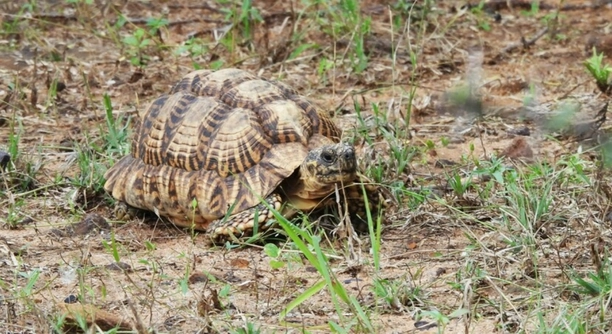
If you’re a proud star tortoise owner, you might have noticed some unusual behavior lately. Sometimes, these normally calm creatures can become more aggressive, leaving you puzzled. Understanding the reasons behind this shift can help.
Changes in behavior can often be linked to environmental, health, or stress factors. Factors like improper diet, temperature fluctuations, or overcrowding can lead to more aggression in your star tortoise. Addressing these triggers can help restore calmness.
Learning how to manage your tortoise’s environment and care will lead to a happier, more relaxed pet.
Temperature and Humidity Imbalance
Temperature and humidity are crucial factors for your star tortoise’s well-being. If the enclosure is too hot or cold, your tortoise may feel stressed, leading to more aggressive behavior. A tortoise’s natural habitat is warm, and a significant deviation from this can disrupt its comfort.
Proper temperature regulation is necessary to keep your star tortoise calm. You should maintain a warm side of the tank around 90°F and a cooler side of 75°F to give your tortoise space to regulate its body temperature. Humidity should also stay between 50-60% to mimic their natural environment.
If the environment fluctuates too much, it could stress out your tortoise, causing discomfort that may trigger aggression. Keeping a consistent, controlled temperature and humidity level not only prevents aggression but also promotes better health, as your tortoise can fully relax. You can use a thermostat or humidity gauge to monitor the enclosure’s conditions. It’s important to address these factors promptly, as consistent stress can lead to more serious health issues over time.
Lack of Space in the Enclosure
Star tortoises are territorial and need space to roam. A cramped enclosure can lead to frustration and heightened aggression. Having enough space allows them to move around, explore, and feel secure.
Providing a spacious habitat gives your tortoise a sense of control and comfort. A well-sized enclosure helps reduce stress and promotes more natural behaviors, which results in a calmer pet overall.
Poor Diet Choices
A poor diet can significantly affect your star tortoise’s behavior. Lack of proper nutrition can lead to frustration and irritability, which may cause aggression. A balanced diet keeps them healthy and less stressed.
Offering your star tortoise a varied diet of leafy greens, grasses, and occasional fruits is essential. Poor food choices, like feeding them too much fruit or sugary foods, can upset their digestion and make them more aggressive. Over time, malnutrition or improper feeding can make them act out.
Star tortoises are herbivores and need a specific mix of vitamins and minerals to thrive. A lack of calcium, for example, can lead to shell problems and behavior changes. Ensure they get enough fiber from grasses, calcium from cuttlefish bone, and other essential nutrients from a variety of vegetables and greens. Avoid overfeeding them on any single type of food to keep them balanced and content.
Stress from Overhandling
Star tortoises are generally not fond of being handled too much. Excessive touching can cause them stress, making them more prone to aggression. They prefer to remain undisturbed in their space.
Handling them frequently disrupts their routine and can lead to feelings of insecurity. Even though star tortoises can tolerate some interaction, they are not like more social animals that enjoy being handled regularly. Respecting their boundaries is crucial for their mental health. Stress can also affect their immune system, making them more vulnerable to illness.
Allowing them to explore their environment and interact with you on their terms can help maintain a healthy balance. If your tortoise starts to act aggressively when handled, it’s a sign they are feeling overwhelmed. Reducing the amount of interaction and giving them some quiet time is the best solution.
Overcrowding in the Enclosure
When a star tortoise’s living space is overcrowded, it can cause stress. Too many animals in one space leads to competition and territorial disputes, which can increase aggression.
Overcrowding is especially problematic for star tortoises, as they are solitary animals that need their own space. If they feel crowded, they might start displaying more aggressive behavior toward each other.
Providing enough space for each tortoise is key to maintaining a peaceful environment. If you have multiple tortoises, be sure to give each one a separate area to avoid stress and aggressive interactions.
Illness or Injury
A sick or injured star tortoise can act out because it is in pain or discomfort. Illnesses like respiratory infections or shell rot can make them more irritable and aggressive.
Monitoring your tortoise for signs of sickness is important to catch problems early. Common symptoms of illness include lethargy, refusal to eat, or unusual behavior. If your tortoise starts acting more aggressively than usual, check for physical signs of injury or illness.
Taking quick action to treat any health issues will help your tortoise feel better and reduce aggressive behavior linked to discomfort. If you suspect your tortoise is unwell, contact a reptile vet for proper diagnosis and treatment.
FAQ
What are the signs that my star tortoise is stressed?
Stress in star tortoises can show up in different ways. They might stop eating, retreat into their shell more often, or pace around the enclosure. If your tortoise is acting unusually aggressive or hides a lot, it could be a sign of stress. Pay attention to changes in behavior like frequent biting or a noticeable lack of interest in their environment, which are often signs of stress.
How can I tell if my star tortoise is sick?
Signs of illness in star tortoises include lethargy, loss of appetite, swelling, nasal discharge, and wheezing. A sick tortoise may also have trouble moving or appear less active than usual. If your tortoise is behaving aggressively or seems uncomfortable when touched, it could be in pain due to an underlying health issue. It’s important to take your tortoise to a vet if you notice these signs.
Is it normal for my star tortoise to be aggressive?
Star tortoises can be territorial, so a certain level of aggression is normal, especially during breeding seasons or when they feel their space is threatened. However, if the aggression becomes frequent or more intense, it’s likely due to stress, health problems, or environmental factors. Understanding the cause behind this aggression can help address the issue and create a calmer environment for your tortoise.
What should I do if my star tortoise is fighting with another tortoise?
If your tortoises are fighting, it’s crucial to separate them. Overcrowding or insufficient space can lead to aggression, so make sure each tortoise has its own area. You should also monitor their interactions closely, as repeated fighting can cause physical harm. Ensure that both tortoises have enough food, water, and shelter to reduce competition.
Can my star tortoise’s diet affect its behavior?
Yes, diet plays a major role in a star tortoise’s behavior. A poor diet, especially one too high in fruits or fatty foods, can lead to digestive issues and irritability. Tortoises require a diet rich in fiber, such as leafy greens, grasses, and occasional flowers. An unbalanced diet can also lead to calcium deficiency, which may affect the tortoise’s health and behavior. Proper nutrition ensures that your tortoise stays healthy, calm, and happy.
How often should I handle my star tortoise?
It’s best to handle your star tortoise minimally. These creatures are naturally solitary and prefer to remain undisturbed. Excessive handling can stress them out and lead to aggression. While occasional gentle handling is fine, respect their space and allow them time to roam and explore on their own. The more you handle them, the more stressed they may become.
What temperature should my star tortoise’s enclosure be?
Star tortoises need a temperature gradient in their enclosure to regulate their body heat. The warm side of the tank should be about 90°F, while the cooler side should stay around 75°F. Proper heat allows them to stay active and healthy, while fluctuating temperatures can lead to stress and aggressive behavior. Use a thermostat to keep the temperature steady and ensure that your tortoise has access to both warmer and cooler areas.
How can I prevent overcrowding in my tortoise enclosure?
To avoid overcrowding, ensure your enclosure is large enough for your tortoise to move around freely. A good rule of thumb is 10 square feet of space per tortoise. If you have more than one, provide separate hiding spots and plenty of room for each. Overcrowding can lead to stress and fighting, so it’s important to give each tortoise the space it needs to feel secure.
How can I reduce aggression in my star tortoise?
To reduce aggression, start by creating a comfortable, stress-free environment. Make sure the enclosure has the right temperature and humidity, and that your tortoise is receiving a balanced diet. Minimize handling and give them enough space to move around. If aggression persists, consider visiting a vet to rule out any health issues.
What should I do if my star tortoise isn’t eating?
If your star tortoise isn’t eating, first check its environment. Ensure the temperature is right, and the enclosure is free from any sources of stress. Also, assess its diet—perhaps it’s bored with the same foods. Offer a variety of leafy greens, flowers, and grasses. If your tortoise still refuses food, it could be ill, and a vet visit may be necessary.
Can I keep multiple star tortoises together?
Star tortoises are territorial creatures, so keeping multiple tortoises in the same space can lead to aggression. If you do keep more than one, ensure the enclosure is large enough to provide each one with its own space. Even then, it’s best to monitor them closely, as competition for food and territory can result in fights.
How can I tell if my star tortoise is happy?
A happy star tortoise will be active, alert, and interested in its surroundings. It will eat regularly and explore its enclosure. A relaxed tortoise will also display calm, natural behaviors such as moving around, basking under heat lamps, or interacting with its environment. If your tortoise is calm and not aggressive, it’s a good sign that it’s content.
Final Thoughts
Understanding why your star tortoise might be more aggressive than usual is crucial for addressing the issue effectively. A lot of the time, aggression stems from factors like stress, health problems, or improper care. If you can pinpoint the source of the aggression, whether it’s overcrowding, poor diet, or environmental issues, you’ll be better equipped to resolve the problem and help your tortoise feel more comfortable. Taking the time to observe your tortoise’s behavior, environment, and health can lead to better care and a more peaceful relationship with your pet.
It’s also important to remember that star tortoises are naturally territorial animals. While a little aggression here and there is normal, especially when they’re feeling threatened or overcrowded, it shouldn’t be constant. If your tortoise is showing signs of aggression, consider adjusting its environment, such as giving it more space, making sure the temperature is right, and providing a balanced diet. The better the conditions you provide, the less likely your tortoise is to act out. Handling your tortoise gently and infrequently can also reduce stress and prevent aggressive behavior.
Lastly, never hesitate to seek professional advice if you’re concerned about your tortoise’s health or behavior. A vet who specializes in reptiles can offer guidance and check for any underlying health issues that could be contributing to aggression. By staying attentive and responsive to your star tortoise’s needs, you can ensure that it remains happy, healthy, and calm. Remember, small changes can make a big difference in creating a peaceful and supportive environment for your tortoise.

Hello,
If you enjoy the content that we create, please consider saying a "Thank You!" by leaving a tip.
Every little bit helps us continue crafting quality advice that supports the health, happiness, and well-being of pets around the world, for pets of all shapes, sizes, and species.
We really appreciate the kindness and support that you show us!