
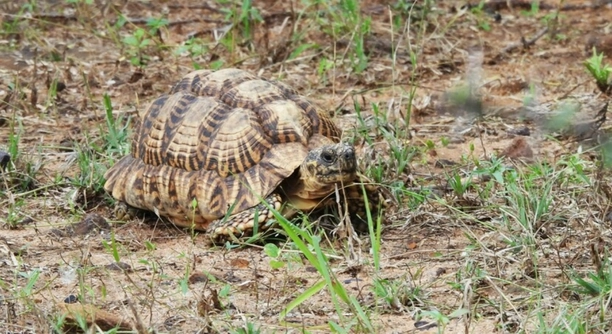
A star tortoise is a fascinating pet, but if it keeps scratching its plastron, it can be concerning. Understanding the reasons behind this behavior can help ensure its well-being.
The most common reasons for a star tortoise scratching its plastron are shell growth, irritation, stress, or environmental factors like humidity and temperature. In some cases, it could also signal an underlying health issue that needs attention.
By exploring the various causes, you’ll be better equipped to address the issue and improve your star tortoise’s comfort. Let’s take a closer look at these factors.
Shell Growth and Natural Behavior
Tortoises naturally scratch or rub their shells as part of their normal growth process. As they grow, the shell’s shape and size change, which can cause minor discomfort. This scratching is often their way of adjusting to the growth and maintaining the health of their shell. As the tortoise’s plastron develops, it might feel itchy or tight, leading to these behaviors.
Since this is a natural process, it’s nothing to worry about if the scratching is occasional and not accompanied by signs of injury or other health concerns. It’s just your star tortoise doing what comes naturally to it. However, it’s important to ensure that the scratching isn’t excessive, which could indicate a different issue.
If you notice that the scratching seems continuous or intense, there might be something wrong. Keeping an eye on how often your star tortoise scratches can help you decide when to seek advice from a vet.
Irritation From Environment
Sometimes, the scratching may stem from environmental factors such as temperature or humidity. Tortoises are sensitive creatures, and improper conditions can irritate their shells or skin. Too much moisture or an environment that’s too dry can cause discomfort.
Proper humidity and temperature control in their habitat are key. A humidifier or regular misting can help maintain moisture levels. A comfortable basking spot with the right heat levels is just as important. If the environment isn’t optimal, your tortoise may scratch to relieve the discomfort caused by those conditions.
Adjusting these factors could make a big difference in reducing the behavior. If the problem persists, it might be worth consulting an expert.
Stress and Anxiety
Stress can make a star tortoise scratch its plastron more often. Tortoises are sensitive to changes in their environment, such as loud noises or the presence of other animals. Even the sudden movement around their habitat can trigger stress.
This stress can manifest in different ways, but excessive scratching is one of the signs. Your tortoise may feel threatened or anxious, which leads to scratching as a way to cope. When stress is the cause, the scratching usually subsides when the source of stress is removed. It’s important to observe what might be causing this anxiety, like too much handling or an unfamiliar environment.
Making your tortoise feel secure by reducing stressors can help it feel safe. Ensure its habitat is peaceful and stable, and avoid putting it through unnecessary changes. Offering a calm, consistent routine will reduce its anxiety and limit scratching.
Shell Damage or Infection
If your star tortoise has a scratch that doesn’t heal or seems to get worse, it could be dealing with shell damage or infection. Tortoises’ shells can be prone to cracks or injuries, especially if they are kept in environments where rough surfaces are present. Infections can occur when a scratch is left untreated or exposed to bacteria.
A damaged or infected shell can cause itching and discomfort, which leads to increased scratching. In such cases, it’s essential to examine the shell closely for visible cracks or wounds. If you notice any signs of infection, such as swelling, pus, or a foul odor, immediate veterinary attention is needed.
Infections can affect the overall health of your tortoise and may require antibiotics or other treatments. It’s vital to provide a clean, safe environment to prevent injury and reduce the risk of infection.
Dry Skin or Shell
Dry skin or shell can lead to scratching in star tortoises. A dry, flaky shell or skin may feel uncomfortable, causing them to scratch to relieve irritation. This is often due to low humidity or insufficient soaking.
To help alleviate this, ensure your tortoise has access to a shallow water dish for soaking. A proper humidity level in its environment can also help prevent dryness and reduce the need for scratching. Adding humidity can soothe your tortoise’s skin and shell, keeping it hydrated and comfortable.
Parasites
Parasites such as mites or ticks can irritate your tortoise’s skin, leading to constant scratching. These external parasites burrow into the skin, causing discomfort and itching. If you suspect your tortoise has parasites, a close inspection of the skin and shell is needed.
Parasites can be harmful and should be addressed immediately. A visit to the vet will likely be required for proper diagnosis and treatment, including parasite removal. Maintaining a clean habitat can help reduce the risk of infestations, keeping your tortoise free from discomfort caused by these external threats.
Nutritional Deficiencies
A poor diet may contribute to scratching, particularly if your star tortoise lacks essential nutrients. If it isn’t getting the right balance of vitamins and minerals, it may experience skin and shell issues, including dryness and irritation.
To avoid this, make sure your tortoise receives a well-rounded diet that includes leafy greens, calcium, and fiber. Regularly supplementing with calcium and vitamin D3 will help your tortoise maintain healthy skin and shell, reducing the likelihood of scratching.
FAQ
What are the signs of shell infections in a star tortoise?
Signs of shell infections in a star tortoise can include swelling, redness, or discharge coming from the shell. If the shell has visible cracks or wounds, it could become infected. A foul smell or pus from the affected area is another clear indicator. It’s important to monitor the tortoise for any of these symptoms and take immediate action if they appear.
Shell infections are serious and can worsen quickly if untreated. If you notice any of these signs, take your tortoise to a vet right away. Infections left untreated can spread, leading to severe health complications for your pet.
How can I treat a dry shell or skin on my star tortoise?
To treat dry skin or shell, you need to ensure your star tortoise’s habitat has the proper humidity levels. A humidity level between 50% and 70% is ideal. You can add moisture by using a humidifier or misting the enclosure regularly. Additionally, allowing your tortoise to soak in shallow water for short periods can help hydrate the skin.
For the shell, a topical application of non-toxic moisturizing oil or a specialized reptile shell conditioner can provide relief. Always consult a vet for the right products to use and to make sure there are no underlying health issues contributing to the dryness.
What kind of diet helps prevent scratching in star tortoises?
A balanced diet is key to preventing scratching caused by nutritional deficiencies. Your star tortoise needs plenty of fiber from leafy greens, along with a good amount of calcium to maintain a healthy shell. Foods like dandelion greens, collard greens, and kale are great options.
Additionally, calcium supplements, especially those with vitamin D3, should be included to help maintain strong shell growth. Avoid overfeeding fruit or high-protein foods, as these can cause imbalances that lead to skin or shell problems. Ensuring your tortoise gets the right nutrients can go a long way in preventing excessive scratching.
How do I know if my star tortoise is stressed?
A stressed star tortoise may display several signs, such as frequent scratching, loss of appetite, or hiding more than usual. They may also become more aggressive or less active. Stress in tortoises can be caused by environmental factors such as noise, other animals, or changes in their habitat.
If you notice these signs, try to identify and eliminate the source of stress. Create a calm, stable environment for your tortoise and reduce handling. If stress persists or worsens, a vet may be able to help identify any underlying issues.
Can I use any home remedies for scratching in my star tortoise?
While some simple home remedies can help, it’s important to use them cautiously. For dry skin, soaking your tortoise in warm water for 10-15 minutes can help hydrate the shell and skin. You can also apply a small amount of olive oil to the shell to help with moisture retention.
However, if the scratching continues or worsens, it’s essential to consult a vet. Home remedies are only effective for minor issues, and more serious health problems require professional treatment. Never use products not specifically designed for reptiles without vet approval.
What is the best way to keep my star tortoise’s habitat clean?
To maintain a clean habitat, regularly remove waste and uneaten food from your tortoise’s enclosure. Spot clean the enclosure daily, and do a deep clean every week, including washing the substrate, rocks, and water dish with non-toxic disinfectants.
Make sure the temperature and humidity levels are checked daily, as improper conditions can lead to health issues. You should also replace the bedding material periodically to ensure it remains clean and safe for your tortoise. A clean environment reduces the risk of infections and other health problems.
Is it normal for a star tortoise to scratch all the time?
No, it’s not normal for a star tortoise to scratch constantly. Occasional scratching is expected, especially during shell growth or when adjusting to new conditions. However, if your tortoise scratches excessively and seems to be in distress, there could be an underlying issue such as irritation, infection, or stress.
Excessive scratching should be monitored. If the behavior doesn’t improve or is accompanied by other symptoms like swelling or loss of appetite, it’s a good idea to consult a vet. Early diagnosis and treatment can prevent serious complications.
How can I reduce the risk of my star tortoise getting parasites?
To reduce the risk of parasites, keep your tortoise’s living environment clean and hygienic. Regularly disinfect the enclosure and remove waste promptly. Ensure that any plants or food given to your tortoise are free from pesticides or harmful chemicals.
Additionally, avoid introducing any new tortoises or animals into the same habitat without properly quarantining them first. Parasites can spread quickly, so it’s important to keep the enclosure as parasite-free as possible. If you suspect your tortoise has parasites, a vet can provide proper treatment.
Final Thoughts
Understanding why your star tortoise keeps scratching its plastron is essential for its overall health and comfort. Scratching can be a normal part of the tortoise’s natural behavior, especially when it’s adjusting to its shell growth or environmental changes. However, when scratching becomes excessive, it can signal that there’s an underlying issue, whether it’s related to the environment, health, or stress levels. By closely monitoring the scratching behavior and observing any additional symptoms, you can better determine what might be causing the discomfort.
It’s important to ensure your star tortoise has the right living conditions. A proper balance of humidity, temperature, and cleanliness in their enclosure is vital to preventing many of the common causes of scratching. A dry, uncomfortable environment can lead to skin irritation, while stress or anxiety may also cause tortoises to scratch more frequently. By adjusting factors such as humidity or reducing stress-inducing changes, you can help make your tortoise’s habitat a more comfortable space. Regularly checking for any signs of injury, infections, or parasites will help catch any potential health issues before they become serious.
If scratching persists despite your efforts to improve its environment, a visit to the vet may be necessary. A professional can provide guidance on any medical conditions or suggest treatments that may help. A healthy, happy tortoise will scratch less and show more signs of contentment, so focusing on overall well-being can make a significant difference. Regular check-ups and a well-balanced diet also contribute to the long-term health of your star tortoise. By taking proactive steps, you can ensure your tortoise’s scratching is part of its natural behavior and not a sign of a bigger problem.

Hello,
If you enjoy the content that we create, please consider saying a "Thank You!" by leaving a tip.
Every little bit helps us continue crafting quality advice that supports the health, happiness, and well-being of pets around the world, for pets of all shapes, sizes, and species.
We really appreciate the kindness and support that you show us!