
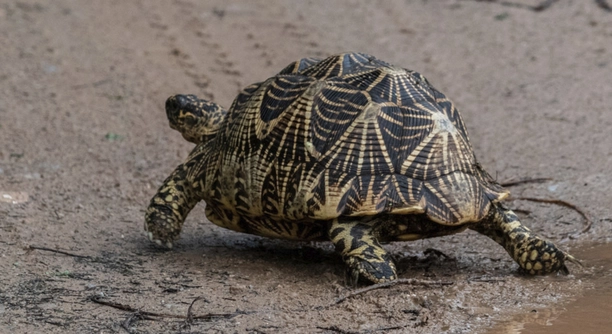
Does your star tortoise keep scratching its shell, and you’re wondering why? This behavior might seem unusual, but it could be a sign of something important.
Scratching can occur for various reasons, including shedding, irritation, or even a sign of poor health. It’s important to observe your tortoise’s behavior closely to determine the cause.
There are multiple factors that could explain why your tortoise is scratching. Understanding the reasons can help you provide better care and ensure your pet stays healthy and happy.
Shedding and Growth
Star tortoises regularly shed their scutes (the hard plates on their shells), and this process can cause some scratching behavior. As they grow, the new layer of shell replaces the old, leading to irritation or discomfort. Scratching can help them deal with this feeling, as they try to remove the old layer.
Although shedding is normal, it’s essential to monitor the amount of scratching. If your tortoise is scratching excessively, it could indicate that the shedding process is taking longer than usual or there’s some underlying issue. If the tortoise is unable to shed properly, it may lead to health problems, like infection or shell deformities.
Providing the right temperature and humidity levels in the enclosure is key. These environmental factors assist in proper shedding. Make sure the habitat mimics the tortoise’s natural conditions to ensure a smooth shedding process. If you notice any unusual changes in the shell after shedding, consult with a vet for advice.
Irritation or Injury
Sometimes, scratching occurs due to irritation or minor injuries.
Your tortoise might scratch its shell if it comes into contact with something rough or if its shell is slightly damaged. Minor scratches can heal over time, but it’s important to check for any wounds or signs of infection. If you notice anything out of the ordinary, such as swelling or discharge, visit a vet to rule out infections.
Boredom and Stress
Boredom is another reason for your star tortoise to scratch its shell. If it doesn’t have enough stimulation, it may engage in repetitive behaviors like scratching.
Tortoises, especially those kept as pets, need a variety of activities to keep them mentally and physically active. Without enough room to roam or things to explore, they may scratch their shells out of frustration. Providing a larger enclosure and enriching the environment with hiding spots, climbing opportunities, and other objects to explore can help alleviate boredom.
Stress can also cause the same behavior. If the tortoise feels threatened or uncomfortable in its habitat, scratching can become a way to cope. Ensuring the enclosure is quiet and safe, away from loud noises or disturbances, is key to minimizing stress and allowing your tortoise to feel at ease.
Parasites
Parasites are another common cause of scratching in tortoises.
If your tortoise has external parasites, like mites, it may try to scratch its shell to relieve the irritation. These tiny pests can burrow into the shell, causing discomfort and encouraging excessive scratching. You may notice small, black specks or scabs on your tortoise’s shell or skin, which are indicators of a parasite infestation. Regularly checking for signs of mites and keeping your tortoise’s living area clean can help prevent these issues. If you suspect parasites, a visit to the vet is necessary for proper treatment.
Shell Deformities
If your tortoise has an uneven or misshapen shell, it might scratch to relieve discomfort. Deformities can happen due to poor diet or injury, and scratching can be a response to the discomfort caused by these irregularities.
A misshapen shell can also cause irritation during the shedding process, leading to more scratching. This can also be a sign that the shell isn’t growing properly or that there’s pressure from an underlying health issue. If you notice a deformity, consult with a vet for advice on treatment and correction.
Poor Diet
A lack of proper nutrition can contribute to shell problems.
Without the right balance of calcium, vitamin D3, and other nutrients, your tortoise’s shell might not grow properly or be as healthy as it should. This can lead to weakening and scratching, as the tortoise attempts to cope with the discomfort. A healthy, balanced diet is essential for shell development, and ensuring your tortoise gets enough greens, vegetables, and calcium supplements can help prevent nutritional deficiencies.
Temperature and Humidity Issues
Improper temperature and humidity can lead to shell health problems.
If the habitat is too dry or too warm, your tortoise may experience problems with shedding or shell growth. Maintaining the correct humidity and temperature levels can ensure the shedding process goes smoothly and prevent your tortoise from scratching its shell out of frustration.
FAQ
Why is my star tortoise scratching its shell so much?
Scratching could be caused by a variety of things, such as shedding, irritation, stress, boredom, or even an injury. It’s essential to look for other signs, like changes in its behavior, shell appearance, or living conditions. If the scratching is excessive or paired with other symptoms, it’s best to consult with a vet.
How do I know if my tortoise has a parasite?
Parasites like mites can cause your tortoise to scratch its shell. Look for signs like small black specks, crusty patches, or scabs on the shell or skin. These could be a sign of an external infestation. If you see any unusual spots or your tortoise is scratching constantly, a vet visit is necessary for proper diagnosis and treatment.
Can poor diet cause shell scratching?
Yes, a poor diet can contribute to shell problems, which could lead to scratching. If your tortoise is lacking essential nutrients like calcium, vitamin D3, or other minerals, its shell may become weakened, leading to discomfort. Ensure your tortoise has a balanced diet with plenty of leafy greens, vegetables, and calcium supplements for a healthy shell.
What should I do if my tortoise is scratching due to shedding?
If shedding is the cause, ensure that your tortoise has a proper environment to aid in the process. Maintaining correct humidity and temperature in its enclosure will help with shedding and reduce irritation. If the tortoise struggles to shed, gently soak it in warm water to help remove old scutes. Avoid forcing it off, as this could cause harm.
Can stress make my tortoise scratch its shell?
Yes, stress is another possible cause of scratching. If your tortoise feels threatened, uncomfortable, or confined, it may scratch to cope with the stress. Keep its habitat quiet, with minimal disturbances, and make sure it has plenty of space to move around. Avoid overcrowding or placing it near loud noises or other pets that may cause stress.
How can I prevent my tortoise from scratching its shell?
To prevent excessive scratching, focus on creating a healthy and stress-free environment for your tortoise. Ensure it has a spacious enclosure, the right temperature, humidity levels, and opportunities for enrichment. A balanced diet and regular health checks are essential for preventing shell problems, along with providing safe, clean, and comfortable living conditions.
Should I worry about my tortoise scratching its shell if it’s not bleeding?
Minor scratching without bleeding usually isn’t something to worry about. It could simply be a natural part of shedding or a response to minor irritation. However, if the scratching becomes more intense or consistent, or if you notice any damage to the shell, it’s best to consult a vet to ensure there are no underlying health issues.
What if my tortoise’s shell looks damaged after scratching?
If your tortoise’s shell shows signs of damage, such as cracks, dents, or a rough texture, it may be a sign of an injury or health issue. Damaged shells can become infected, so it’s important to monitor the damage closely and take your tortoise to the vet for proper treatment. In some cases, the damage can heal over time, but professional advice is essential to prevent complications.
Can humidity affect my tortoise’s shell health?
Humidity plays a significant role in the health of your tortoise’s shell. If the air is too dry, it can interfere with the shedding process and lead to discomfort, which may cause your tortoise to scratch. Maintaining the right humidity levels in your tortoise’s enclosure will support healthy shell growth and a smoother shedding process.
Is scratching a sign of an emergency with my tortoise?
Scratching isn’t always an emergency, but it could be a sign that something’s wrong. If the scratching is excessive, paired with other symptoms like swelling, discoloration, or unusual behavior, it’s best to consult a vet. Early intervention can prevent more serious health issues from developing.
How do I check for shell infections in my tortoise?
Look for signs like swelling, redness, or discharge on the shell, which could indicate an infection. A healthy shell should be smooth and free from visible damage. If you notice any of these signs or if the scratching seems persistent, it’s a good idea to visit a vet for a proper diagnosis and treatment.
Can my tortoise be scratching due to dehydration?
Dehydration could cause your tortoise to behave abnormally, including scratching. If it doesn’t have access to enough fresh water, its body might become stressed, leading to unwanted behaviors like scratching. Ensure your tortoise has constant access to fresh water and regularly monitor its hydration levels.
How often should I clean my tortoise’s enclosure to avoid scratching?
Cleaning the enclosure regularly helps prevent the buildup of dirt, parasites, and bacteria that could lead to irritation or infection. A clean environment reduces the chances of scratching caused by these factors. Aim to clean the enclosure once a week, making sure to remove waste, sanitize surfaces, and replace bedding as needed.
Can I use any creams or ointments to help my tortoise’s shell?
If your tortoise’s shell is scratched or irritated, it’s best to avoid using creams or ointments without consulting a vet first. Some products may be harmful to reptiles or may not be effective for shell issues. Your vet can recommend safe, specific treatments for your tortoise’s condition.
What kind of habitat does my tortoise need to reduce scratching?
Creating an ideal habitat with proper temperature, humidity, and plenty of space can help reduce scratching. Include hiding spots, basking areas, and objects to climb on for mental stimulation. A well-balanced environment ensures your tortoise’s well-being, helping to minimize unnecessary scratching and stress.
Final Thoughts
Understanding why your star tortoise is scratching its shell is important for its overall well-being. There are several potential reasons for this behavior, ranging from natural processes like shedding to more serious concerns such as irritation, stress, or even health issues like parasites or nutritional deficiencies. It’s crucial to pay attention to any changes in your tortoise’s behavior, shell condition, and environment. If the scratching seems excessive or if there are other unusual signs, it’s always a good idea to consult with a vet to rule out any underlying problems.
The most common cause of scratching is shedding. Star tortoises regularly shed the outer layers of their shells, which can sometimes lead to mild irritation. This is a normal part of their growth process. However, if the shedding process seems to be causing excessive discomfort, adjusting the humidity and temperature levels in the enclosure may help. Providing a clean, safe, and comfortable environment is key to supporting healthy shedding and preventing scratching from becoming a bigger issue. If your tortoise is unable to shed properly, this could lead to further complications, and a vet visit would be necessary.
Other factors like stress, boredom, and improper diet can also contribute to shell scratching. Creating a stimulating environment with enough space, enrichment, and a proper diet is essential. Star tortoises need a balanced diet full of nutrients, including calcium and vitamin D3, to maintain a healthy shell. Make sure your tortoise has a proper amount of time to roam and explore, as this can help reduce boredom and stress. Monitoring its behavior closely will give you a better idea of whether scratching is a harmless habit or a sign of something more serious.

Hello,
If you enjoy the content that we create, please consider saying a "Thank You!" by leaving a tip.
Every little bit helps us continue crafting quality advice that supports the health, happiness, and well-being of pets around the world, for pets of all shapes, sizes, and species.
We really appreciate the kindness and support that you show us!