
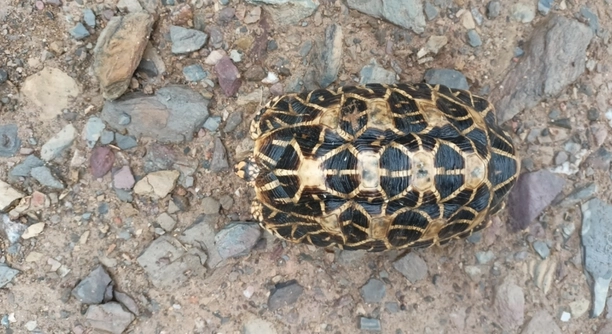
Creating the perfect environment for a star tortoise can be simple and rewarding. Providing the right habitat will help keep your pet healthy and happy. With just a little planning, you can make their home low-maintenance.
The key to a low-maintenance star tortoise habitat lies in creating a balanced space with proper heating, lighting, substrate, and humidity. Focus on providing a stable environment that requires minimal upkeep while ensuring your tortoise’s health and comfort.
By setting up an efficient habitat, your star tortoise will thrive without a lot of work. Keep reading to learn how to make your pet’s space both easy to maintain and comfortable.
Choosing the Right Enclosure for Your Star Tortoise
The first step in creating a low-maintenance habitat for your star tortoise is selecting the right enclosure. A spacious and well-ventilated tank or terrarium is essential for their health. Ideally, choose an enclosure that’s at least 4 feet long, offering enough room for the tortoise to move around. This size will reduce stress and provide ample space to grow.
Smaller enclosures can lead to health problems, so it’s better to start with something large. If space is limited, consider expanding the enclosure over time as your tortoise grows.
A good enclosure not only allows movement but also provides the ability to control temperature and humidity. Adding a secure lid or cover will help keep your tortoise safe while preventing escapes. Remember to line the bottom with a substrate that is easy to clean, like coconut coir or organic soil, making regular maintenance easier.
Heating and Lighting
Proper lighting and heating are crucial in a star tortoise habitat. Providing both heat and UVB light ensures your pet remains healthy.
A basking spot should be set at a temperature of 90 to 95°F. Use a heat lamp to create this hotspot. The rest of the enclosure should stay cooler, around 75°F to 80°F, allowing your tortoise to regulate its body temperature.
UVB lighting is essential for the star tortoise’s shell and bone health. Place the UVB light source above the basking area and make sure it is replaced regularly. These lights simulate natural sunlight, which is crucial for calcium absorption. Without it, your tortoise could develop metabolic bone disease. Having the right setup will make your tortoise feel at home and prevent unnecessary health issues.
Providing a Suitable Substrate
For a low-maintenance habitat, choosing the right substrate is key. Materials like coconut coir or organic soil are ideal for star tortoises. These options are easy to clean and support natural digging behavior. Avoid sand or gravel as it can cause digestive issues.
The substrate should be thick enough to allow for digging and burrowing, which helps your tortoise feel secure. It also helps maintain humidity levels, which is important for their skin and overall health. Regularly spot clean the enclosure to remove waste, and replace the substrate completely every few months.
Keeping the substrate moist but not soggy is important. You can lightly mist the area with water to ensure it stays damp, which will also help maintain the correct humidity. Ensure the tortoise has a dry area to retreat to. A well-maintained substrate will make cleaning easier and help keep your pet comfortable.
Humidity and Water Requirements
Star tortoises need a controlled level of humidity in their habitat, ideally between 50-60%. Too much humidity can lead to respiratory problems, while too little can dry out their skin.
To manage humidity, lightly mist the substrate or use a humidity gauge to keep track. If the environment is too dry, a shallow water dish will help. Make sure the water is changed daily, keeping it clean for drinking and soaking.
If you live in a dry climate, consider using a humidifier in the room to maintain a consistent level. For star tortoises, it’s crucial to keep the humidity stable, as it helps with hydration, digestion, and skin shedding. Adjusting humidity levels can be the key to a long and healthy life for your tortoise.
Feeding Your Star Tortoise
A balanced diet is essential for a low-maintenance habitat. Feed your star tortoise a variety of leafy greens, such as dandelion, collard greens, and turnip greens. Avoid offering high-protein or high-fat foods like lettuce.
Make sure the food is clean and free of pesticides. Offering a variety of foods will help ensure your tortoise receives all the necessary nutrients. A shallow dish of water should also be available for drinking.
Supplement the diet with calcium and vitamin D3 to prevent shell deformities. Dusting the food with calcium powder once or twice a week is sufficient. Overfeeding is a common mistake, so make sure to only provide what your tortoise can eat in one sitting.
Cleaning the Habitat
Regular cleaning keeps the habitat hygienic and low-maintenance. Clean the water dish every day, and remove any uneaten food. Spot clean the substrate a few times a week to remove waste.
Every few weeks, perform a deeper clean by replacing the substrate and disinfecting the enclosure. This prevents any buildup of harmful bacteria and keeps the habitat comfortable.
Creating a Safe and Secure Environment
A secure enclosure is necessary to protect your star tortoise. Ensure the enclosure has secure walls that prevent escapes, as these tortoises are curious and can find small openings.
You can add small, safe decorations, such as rocks and hiding spots, to give your tortoise enrichment. Just make sure there are no sharp edges that could harm them.
FAQ
How big does my star tortoise’s enclosure need to be?
The minimum recommended size for a star tortoise enclosure is 4 feet long, 2 feet wide, and 1.5 feet tall. This allows enough space for them to move around freely and comfortably. If your tortoise is growing or you want to add more tortoises, a larger enclosure is better. Keeping them in an overly small space can cause stress and health issues.
Can I house more than one star tortoise together?
While it is possible to house multiple star tortoises in the same enclosure, it’s important to ensure they are not overcrowded. Star tortoises can be territorial, and aggression can arise if there isn’t enough space. Provide separate basking spots and areas to prevent conflict. If you choose to house more than one, monitor them closely for signs of aggression or stress.
What temperature should I maintain for my star tortoise?
Star tortoises need a warm environment with a basking area around 90-95°F. The rest of the enclosure should have a cooler area around 75-80°F. This temperature range allows your tortoise to regulate its body temperature by moving between the warm and cooler zones. Use a thermometer to monitor and adjust the temperature accordingly.
Do I need to provide UVB lighting?
Yes, UVB lighting is essential for star tortoises. It helps them synthesize vitamin D3, which is vital for calcium absorption and shell development. Without proper UVB exposure, your tortoise may develop metabolic bone disease. Use a UVB light designed for reptiles, placed above the basking area, and replace it every six months as its effectiveness decreases over time.
How often should I clean my star tortoise’s enclosure?
Daily, you should spot clean the enclosure by removing uneaten food, waste, and any soiled substrate. The water dish should also be cleaned and refilled daily. Every two to three weeks, do a more thorough cleaning by replacing the substrate and disinfecting the enclosure with a pet-safe cleaner. Keeping the habitat clean will help reduce the risk of bacterial growth.
What should I feed my star tortoise?
Star tortoises are herbivores and should be fed a variety of leafy greens, such as dandelion, collard greens, and turnip greens. Avoid feeding them lettuce, which has little nutritional value. You can also add some high-fiber plants, like grass or flowers. Occasionally offer them cactus pads or other safe plants to add variety to their diet.
Can I give my star tortoise fruits or vegetables?
Fruits and vegetables should be given only as occasional treats. These should not be the primary part of their diet. Overfeeding fruits like tomatoes or berries can lead to digestive issues. Stick mainly to leafy greens and occasional fibrous plants. Offering fruits once or twice a month is enough to provide extra nutrients without harming their health.
How do I keep my star tortoise hydrated?
Star tortoises need access to fresh water at all times. They will drink from a shallow dish, and some may also enjoy soaking. You should change the water daily to keep it clean. Additionally, you can lightly mist the substrate to maintain humidity levels, as tortoises absorb some moisture through their skin.
How can I tell if my star tortoise is healthy?
A healthy star tortoise should have clear, bright eyes and a smooth, hard shell. Their movements should be steady and unhurried, and they should eat regularly. If you notice any signs of lethargy, shell abnormalities, or difficulty eating, it may indicate a health issue. Consult a veterinarian experienced with reptiles if you notice any concerning changes in behavior.
How often should I handle my star tortoise?
Star tortoises are not very social and can become stressed with too much handling. While it’s fine to interact with them occasionally, it’s important not to overdo it. Short, gentle interactions are best, and you should allow your tortoise to move freely within its habitat. They prefer a calm environment where they feel safe.
Do I need to supplement my star tortoise’s diet with vitamins and minerals?
Yes, it’s important to supplement your star tortoise’s diet with calcium powder and sometimes vitamin D3. Dusting their food with calcium powder a few times a week helps prevent shell deformities and supports bone health. If you live in an area with limited sunlight, you may also need to supplement with vitamin D3, which helps them absorb calcium.
Can star tortoises be kept outdoors?
Yes, star tortoises can be kept outdoors in areas with suitable climates. They need a secure, enclosed outdoor area with access to both sun and shade. Make sure the enclosure is escape-proof and safe from predators. Outdoor environments allow for natural behaviors such as foraging and basking, but the enclosure must be properly designed to ensure their safety.
What’s the lifespan of a star tortoise?
Star tortoises can live for many decades, with some individuals reaching 50 years or more if well cared for. Their lifespan depends on the environment, diet, and overall care they receive. Providing the right habitat and care can help your tortoise live a long, healthy life.
Are star tortoises easy to care for?
Star tortoises can be relatively easy to care for, but they do require specific conditions to thrive. Ensuring the proper temperature, humidity, and diet is essential. The key to low-maintenance care is setting up the habitat correctly from the start and keeping it clean and stable. With a little planning and consistency, they make excellent pets.
Do star tortoises need a hiding spot?
Yes, star tortoises appreciate having a hiding spot where they can retreat to feel safe and secure. Adding a small cave or hiding box to the enclosure will provide a place for your tortoise to rest or escape from light and activity. It’s important to create a comfortable environment that meets all their needs.
Final Thoughts
Creating a low-maintenance habitat for your star tortoise doesn’t have to be complicated. With just a few key elements—like the right enclosure, proper lighting, and a balanced diet—you can easily provide a comfortable home for your tortoise. The most important thing is consistency. Once you set up their space properly, the care routine becomes easier to manage. Regular cleaning, adjusting temperatures, and feeding them the right foods are simple tasks that go a long way in maintaining a healthy environment.
It’s also crucial to remember that star tortoises are long-term pets. They can live for decades if given the right care, so it’s important to plan for their needs in the long run. This includes providing the proper space for growth, monitoring their health, and keeping the environment stable. While they don’t require constant attention, creating a safe and suitable habitat from the beginning will reduce the need for major changes later on. A little upfront effort will make their care much easier in the future.
Finally, understanding your star tortoise’s natural behavior is key to ensuring they thrive in captivity. By mimicking their natural environment as closely as possible, you can support their health and well-being. Star tortoises are shy and independent animals, so they do best in quiet, secure habitats. Keeping their space clean and maintaining proper conditions will help them feel safe and stress-free, leading to a healthier and happier tortoise.

Hello,
If you enjoy the content that we create, please consider saying a "Thank You!" by leaving a tip.
Every little bit helps us continue crafting quality advice that supports the health, happiness, and well-being of pets around the world, for pets of all shapes, sizes, and species.
We really appreciate the kindness and support that you show us!