
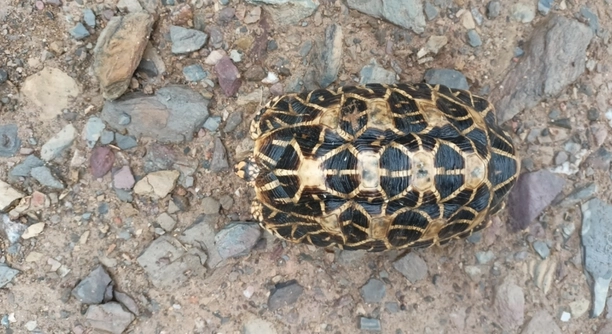
If you own a star tortoise, you may wonder if it’s too cold for your pet. Cold temperatures can harm them, affecting their health and well-being. It’s important to recognize when your star tortoise is cold so you can take action.
If your star tortoise is too cold, it will show signs like lethargy, lack of appetite, and difficulty moving. A proper habitat temperature is crucial for your tortoise’s health, ensuring it stays active and well-fed.
Knowing the signs that your star tortoise is cold can help you prevent any long-term health issues. We will explore the warning signs to keep an eye on.
Recognizing the First Signs of Cold Stress
When your star tortoise is cold, the first thing you may notice is a lack of movement. Tortoises are naturally slow creatures, but if your pet becomes unusually inactive or sits in one spot for extended periods, it might be struggling with the cold. It may also retreat into its shell more frequently. These behaviors are signs that your tortoise is trying to conserve heat.
It’s essential to maintain the right temperature in their habitat. Star tortoises thrive in environments that are warm but not overly hot. If you observe your pet becoming sluggish, check its surroundings to ensure it’s not too cold.
A drop in temperature can slow down your tortoise’s metabolism. This can lead to other health issues like poor digestion and a weakened immune system. Maintaining a stable temperature in their enclosure is crucial to their overall health. Adding a heat source, like a heat lamp or under-tank heater, can help regulate the warmth. Ensuring your tortoise has access to a warm area will keep it active and healthy.
Changes in Eating Habits
Cold temperatures affect your tortoise’s appetite. When too cold, they may refuse food or eat much less than usual. If you notice that your star tortoise isn’t eating, it’s worth checking if the temperature has dropped too much.
A lack of appetite is often one of the first noticeable signs that your star tortoise is too cold. Star tortoises rely on warmth to aid digestion. When their environment is too cold, their body functions slow down, making it difficult to eat or digest food. Without proper nutrition, your tortoise’s immune system will weaken, leaving it more vulnerable to illness.
It’s important to monitor the temperature regularly. If your tortoise refuses food for more than a few days, it’s a clear indicator that something is wrong. If the temperature seems fine and your pet is still not eating, a visit to the vet may be necessary to rule out other issues.
Difficulty Moving or Walking
If your star tortoise is too cold, it may have trouble walking or moving around. This is because cold temperatures affect their muscles and joints. They may seem stiff or struggle to walk, spending more time in one place.
When a tortoise becomes cold, its body slows down. Movement becomes more difficult, and the tortoise may appear weak or unsteady on its feet. This can lead to an overall lack of coordination. Keep an eye on their movements and temperature. If your tortoise is sluggish or unable to move as usual, it’s time to adjust the environment.
The inability to move freely is a sign of serious cold stress. This lack of mobility can further impact digestion, health, and overall quality of life. Tortoises need warmth to function properly. By ensuring your pet stays at the right temperature, you can avoid further complications.
Increased Hiding Behavior
A cold star tortoise will often retreat into its shell more than usual. This is its way of conserving heat and protecting itself. If your pet seems to hide more often, it could be a sign that it’s trying to escape the cold.
Star tortoises are known to hide in their shells when they feel threatened or uncomfortable. When cold, they instinctively seek shelter to preserve body heat. If your tortoise stays hidden for an extended period, it could be a result of cold stress. It’s important to ensure their environment offers warmth and comfort.
Constant hiding also means the tortoise is not getting the necessary UVB light and warmth. Over time, this lack of exposure can lead to further health issues, such as poor shell development. Ensuring your pet has access to a warm, safe area will encourage it to stay active and comfortable.
Weak or Soft Shell
If your star tortoise’s shell becomes soft or weak, it may be a sign of cold stress. Cold temperatures can impact shell health, making it less firm and more vulnerable to damage.
The shell may feel pliable or even dented if your tortoise is exposed to low temperatures for extended periods. A healthy shell should be hard and strong. When it softens, it can become a breeding ground for bacteria and infections. It’s crucial to maintain the right temperature for your tortoise’s environment to prevent this from happening.
Lack of Activity
When your star tortoise is too cold, it becomes less active. This means it may not explore its surroundings or engage in typical behaviors.
Tortoises need warmth to remain active. Without it, they become lethargic and are less likely to move around their habitat. If your pet isn’t as active as usual, it’s a sign that the temperature might be too low. Consider adding a heat source to its enclosure to help restore energy and movement.
Breathing Issues
Cold temperatures can affect a star tortoise’s breathing. If your pet seems to have trouble breathing or makes wheezing noises, it might be too cold.
Cold stress can weaken your tortoise’s respiratory system, making it harder for them to breathe properly. If you notice signs like wheezing or labored breathing, it’s important to check their temperature immediately. Make sure their enclosure stays within the proper temperature range, as this can help keep their respiratory system functioning properly.
FAQ
What is the ideal temperature for a star tortoise?
The ideal temperature for a star tortoise should range between 75-85°F (24-29°C) during the day. At night, it should not drop below 65°F (18°C). These temperatures help support their metabolism and overall health. It’s crucial to provide a gradient within their habitat so they can choose the area that feels most comfortable. Use a heat lamp during the day and a nighttime heat source if necessary to maintain these temperatures.
How do I know if my star tortoise is too cold?
Signs that your star tortoise is too cold include lethargy, lack of appetite, difficulty moving, or constant hiding. If your tortoise is not as active or refuses food, it could be because its environment is too cold. You may also notice it struggling to move or sitting in one spot for extended periods. Always monitor the temperature of the habitat to ensure it stays within the ideal range.
Can a star tortoise survive in temperatures below 65°F?
Star tortoises cannot thrive in temperatures below 65°F (18°C). Cold temperatures slow down their metabolism and can lead to serious health issues, such as respiratory problems or digestive issues. If the temperature consistently falls below this range, your tortoise may become stressed and weak. It is essential to keep the enclosure warm, especially during colder months.
How can I warm up my star tortoise’s enclosure?
To warm up your star tortoise’s enclosure, consider using a heat lamp during the day. This provides direct warmth to a specific area, allowing your tortoise to bask. You can also use an under-tank heater to keep the substrate warm. Ensure that the heat source is not too hot and always monitor the temperature with a thermometer. Keep the warm zone between 80-85°F (27-29°C) and the cooler zone between 70-75°F (21-24°C) for a temperature gradient.
Can I use a heating pad for my star tortoise?
Yes, heating pads can be used, but they should be placed under the tank, not inside it. They can provide consistent warmth to the substrate, which helps regulate temperature. However, it’s essential to use a thermostat to control the heating pad and avoid overheating. Never rely solely on a heating pad without monitoring the overall temperature.
Why isn’t my star tortoise eating?
If your star tortoise isn’t eating, it could be because it’s too cold. Cold temperatures cause lethargy and a lack of appetite. Ensure that the temperature in the enclosure is within the correct range. If the temperature is fine and the tortoise still refuses food, it could be sick or stressed. In such cases, consulting a veterinarian is recommended.
How long can a star tortoise go without eating?
A healthy star tortoise can go without eating for a week or two, depending on its age and condition. However, this should not become a regular occurrence. Prolonged refusal to eat can lead to malnutrition and weakened health. If your tortoise hasn’t eaten for several days, it’s important to investigate potential environmental or health issues, such as low temperature or illness.
What do I do if my star tortoise’s shell feels soft?
If your star tortoise’s shell feels soft, it could be a sign of inadequate temperature or nutritional deficiencies. Shell softness is often caused by a lack of proper UVB light or low temperatures affecting calcium metabolism. Ensure that the tortoise has access to a proper heat source and UVB light to aid shell health. Additionally, provide a diet rich in calcium and ensure it has a suitable substrate to help with natural shell shedding.
Can I leave my star tortoise outside?
You can leave your star tortoise outside if the temperature is suitable. However, you should ensure it’s in a secure, safe area where it won’t be exposed to predators or extreme weather. The outdoor environment must provide a warm area for basking and a shaded area for cooling off. If temperatures drop too low at night or if it rains, it’s better to bring your tortoise inside to maintain a stable temperature.
What should I do if my star tortoise is showing signs of respiratory issues?
If your star tortoise is showing signs of respiratory issues, such as wheezing, nasal discharge, or labored breathing, it could be due to a cold environment or illness. First, ensure that the enclosure is at the correct temperature and humidity levels. If symptoms persist, it’s crucial to take your tortoise to a vet specializing in reptiles for a proper diagnosis and treatment. Respiratory issues can be severe if left untreated.
How can I prevent my star tortoise from getting too cold?
To prevent your star tortoise from getting too cold, make sure its enclosure is in a room that stays warm or use a heat source. A proper heat lamp, basking area, and under-tank heater can help regulate the temperature. Avoid placing the enclosure near windows or air vents, as drafts can cause rapid temperature changes. Always monitor the temperature with a thermometer and ensure the area where your tortoise spends most of its time stays warm.
Can I use a ceramic heat emitter for my star tortoise?
Yes, ceramic heat emitters are a great option for heating a star tortoise’s enclosure. They provide consistent heat without emitting light, which is ideal for nighttime use. Ceramic heaters help maintain the proper temperature, especially during cooler hours, while not disrupting the tortoise’s sleep cycle. Be sure to position the heat emitter in a way that avoids overheating the enclosure.
Final Thoughts
Keeping your star tortoise at the right temperature is essential for its health and well-being. Cold stress can lead to a variety of issues, such as lethargy, poor appetite, and difficulty moving. When the temperature in the enclosure is too low, it can also cause more serious health concerns, like respiratory issues and a weakened immune system. By maintaining the ideal temperature range of 75-85°F (24-29°C) during the day and no lower than 65°F (18°C) at night, you ensure that your tortoise stays active, healthy, and comfortable.
It’s important to regularly check the temperature of your tortoise’s enclosure and make necessary adjustments. Using a thermometer can help you keep track of the environment and ensure it stays within the right range. A heat lamp during the day, combined with a nighttime heat source, will help provide warmth. Having a temperature gradient in the enclosure allows your tortoise to choose the temperature zone it prefers, which promotes a healthy and stress-free environment.
If your tortoise shows signs of being too cold, such as hiding more than usual, refusing food, or having difficulty moving, it’s crucial to address the temperature issue quickly. A star tortoise’s health can decline rapidly if it stays too cold for too long. With the right precautions and a few simple changes to their habitat, you can help your star tortoise stay healthy and comfortable, ensuring it lives a long, happy life.

Hello,
If you enjoy the content that we create, please consider saying a "Thank You!" by leaving a tip.
Every little bit helps us continue crafting quality advice that supports the health, happiness, and well-being of pets around the world, for pets of all shapes, sizes, and species.
We really appreciate the kindness and support that you show us!