
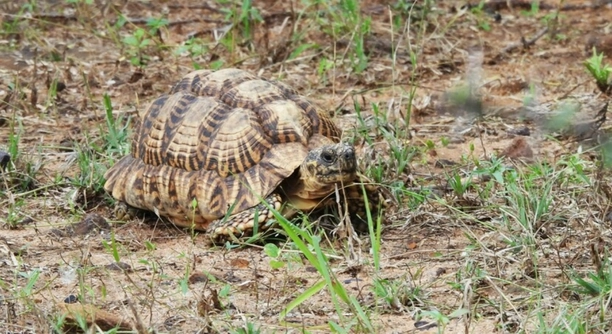
Choosing the right location for your star tortoise’s habitat is essential for their health and happiness. A proper environment ensures they stay comfortable and thrive. In this article, we’ll explore tips to help you find the best spot.
The ideal location for a star tortoise habitat requires a balance of proper temperature, lighting, humidity, and space. Ensure the area is free from drafts, predators, and excessive noise, while also providing easy access to food and water.
Knowing how to pick the best spot can make a huge difference in your star tortoise’s well-being. Keep reading to learn more about the factors that matter when setting up their habitat.
Temperature and Lighting Considerations
The right temperature and lighting are crucial for your star tortoise’s habitat. Star tortoises are naturally found in warm, dry environments. A basking area with a temperature around 90°F (32°C) is essential for their health. The cooler side of the habitat should be around 75°F (24°C). Too much heat or too little can cause stress or illness. UVB light is also important for their shell and bone health, as it helps them process calcium. Ensure your tortoise gets 10-12 hours of UVB exposure daily. It’s best to use both heat lamps and UVB lights to replicate natural conditions.
Having a well-regulated temperature will also reduce the chances of behavioral issues. Ensure the heat source is placed in a way that allows your tortoise to move between the warm and cool areas freely.
When setting up the habitat, try to simulate the temperature changes your tortoise would experience in the wild. This balance is vital for its overall well-being. By placing the heat lamp above the basking area, you’ll provide the necessary warmth. This way, the star tortoise can regulate its body temperature easily. Keep in mind that sudden temperature changes could be harmful, so choose a location where the temperature is stable.
Humidity Levels Matter
Humidity can have a big impact on the health of your star tortoise. Too much moisture can cause respiratory problems, while too little can result in dehydration. The habitat should maintain a humidity level of 40-50%. Regularly checking the humidity levels with a hygrometer can help you keep track.
A controlled humidity level helps prevent skin issues and ensures that your star tortoise stays hydrated. To adjust humidity, try spraying the enclosure lightly with water or placing a shallow water dish.
Space and Size
The size of your star tortoise’s habitat directly affects its well-being. A cramped space can cause stress, leading to health problems. A minimum of 40 square feet is recommended for one star tortoise. Larger spaces will allow them to roam and explore, which is important for their physical and mental health.
An adequately sized habitat allows the tortoise to move freely, offering plenty of space for exercise. The more room they have, the more likely they are to be active, which will help prevent obesity. Tortoises also enjoy digging and burrowing, so including areas where they can engage in natural behaviors is essential.
If possible, opt for a larger enclosure, especially if you plan on housing more than one star tortoise. Multiple tortoises will need even more space to prevent territorial issues. A spacious habitat with room for basking, hiding, and grazing will keep them happier and healthier in the long run.
Quiet and Safe Location
Choose a location for your star tortoise’s habitat that is free from excessive noise and disturbances. Too much noise or activity can cause stress, affecting your tortoise’s health. A quiet spot away from pets, loud household areas, or foot traffic is ideal.
This will help create a calm and secure environment. Star tortoises need a peaceful place to rest, eat, and engage in natural behaviors. Being constantly startled or disturbed can lead to anxiety or behavioral issues. A calm, stable environment allows your tortoise to thrive.
Avoiding Drafts
Drafts can make the environment uncomfortable for your star tortoise. Constant exposure to cold air can lead to health problems, such as respiratory infections. Always place the habitat away from windows, doors, and vents.
Check the area for drafts regularly, especially during colder months. Ensure there are no gaps where cold air can enter. A consistent temperature helps your tortoise feel secure and prevents stress.
Easy Access to Food and Water
Make sure the habitat is in a place where you can easily access food and water. Regular feeding and cleaning are essential to maintaining a healthy environment. If the setup is hard to reach, it can lead to neglect or delays in proper care.
FAQ
What is the best temperature for a star tortoise habitat?
The ideal temperature for a star tortoise habitat is between 75°F (24°C) and 90°F (32°C). The basking area should be around 90°F (32°C), while the cooler area should stay around 75°F (24°C). Having a temperature gradient allows the tortoise to regulate its body heat by moving between warm and cool areas. Always check the temperature regularly with a thermometer to avoid any temperature fluctuations that could harm your tortoise.
How much space does a star tortoise need?
A single star tortoise needs at least 40 square feet of space in its habitat. If you have more than one tortoise, the space requirement will increase. The more space, the better, as it encourages natural behaviors like exploring, digging, and basking. The tortoise should have enough room to move around freely without feeling cramped. Larger spaces also reduce the chances of territorial disputes if you plan to house multiple tortoises together.
Can star tortoises live outside?
Yes, star tortoises can live outside if the climate is warm enough and the area is safe. They need a secure outdoor enclosure with no chance of predators getting in. The enclosure should have plenty of shade, a basking area, and space for them to roam. Make sure the outdoor space is free from drafts and that temperatures stay within the ideal range of 75°F (24°C) to 90°F (32°C). It’s also important to monitor humidity levels and ensure the area is escape-proof.
How often should I clean my star tortoise’s habitat?
Cleaning your star tortoise’s habitat is important to prevent health issues. The enclosure should be spot cleaned every day to remove waste, food scraps, and debris. A deep cleaning should be done at least once a week, which includes washing the substrate, disinfecting the walls, and replacing the water dish. Keeping the habitat clean helps to reduce the risk of bacteria or mold growth, keeping your tortoise healthy.
Do star tortoises need UVB light?
Yes, star tortoises need UVB light to maintain their health. UVB light helps them process calcium, which is essential for healthy bones and shells. Provide a UVB light that covers a large area of their habitat and ensure they get 10 to 12 hours of exposure daily. Without UVB light, they may develop metabolic bone disease, which can lead to serious health problems.
What should I feed my star tortoise?
Star tortoises are herbivores, and their diet should consist mainly of leafy greens, grasses, and flowers. Offer a variety of dark leafy vegetables like kale, dandelion greens, and collard greens. Avoid feeding them lettuce, as it doesn’t provide much nutrition. You can also provide edible flowers like hibiscus and clover. Occasionally, you can offer fruits, but these should be given sparingly as treats. Ensure they always have access to fresh water.
How can I make sure my star tortoise is comfortable?
To ensure your star tortoise is comfortable, it’s essential to maintain a stable environment. The temperature should be within the recommended range, and the habitat should be free from drafts and sudden changes in weather. Make sure they have enough space to roam and a suitable area to bask. Including natural elements, such as rocks or logs, can also provide enrichment. Keep their environment clean and ensure a proper diet with access to fresh water.
What are common health issues for star tortoises?
Common health issues in star tortoises include respiratory infections, metabolic bone disease (due to lack of UVB exposure), and shell deformities. Respiratory infections are often caused by cold temperatures or drafts, while metabolic bone disease occurs when they don’t get enough calcium or UVB light. Shell deformities can result from improper diet or lack of exercise. Regular veterinary check-ups and proper habitat conditions will help prevent these issues.
Can I keep multiple star tortoises together?
It is possible to keep multiple star tortoises together, but they must have a large enough space to prevent territorial conflicts. If the habitat is too small, the tortoises may become stressed or aggressive. Be prepared to monitor their behavior closely, as some tortoises may be more territorial than others. If you notice any signs of aggression, it’s best to separate them.
What should I do if my star tortoise isn’t eating?
If your star tortoise isn’t eating, it could be due to a few reasons, such as improper temperature, stress, or illness. Check that the temperature in the habitat is within the ideal range. Make sure there are no drafts or disruptions in their environment. If the problem persists, it’s best to consult a veterinarian to rule out any underlying health issues.
How can I ensure my star tortoise has enough humidity?
To maintain the right humidity, use a hygrometer to measure the levels in the habitat. Star tortoises need a humidity range of 40-50%. If the humidity is too low, lightly mist the enclosure with water or provide a shallow water dish. Make sure the habitat is not overly damp, as excessive moisture can lead to respiratory problems. Proper ventilation is key to maintaining the right humidity levels.
Final Thoughts
Creating the perfect habitat for your star tortoise requires careful consideration of several factors, including temperature, humidity, space, and lighting. These elements are crucial for ensuring your tortoise’s health and well-being. When setting up the habitat, aim to replicate the conditions they would experience in the wild, while also making adjustments to meet their specific needs as a pet. A balanced environment with plenty of room to move around will keep your star tortoise active and happy.
It’s important to remember that a star tortoise’s habitat should be placed in a quiet, draft-free area of your home to avoid unnecessary stress. This quiet environment gives your tortoise the peace and comfort it needs to thrive. In addition, access to fresh food and clean water should always be easy and convenient for you, so you can maintain a healthy feeding routine. Regular cleaning is also necessary to keep the habitat free of waste and bacteria. The more you focus on creating a comfortable space, the better your tortoise will adapt and enjoy its new home.
Above all, be patient and observant. Every star tortoise is unique and may have different preferences. Monitor their behavior closely to see how they react to their environment. If you notice any signs of stress or illness, it may be a signal to adjust their habitat or consult a veterinarian. With the right care and attention, your star tortoise will have a long, healthy, and happy life in its well-maintained habitat.

Hello,
If you enjoy the content that we create, please consider saying a "Thank You!" by leaving a tip.
Every little bit helps us continue crafting quality advice that supports the health, happiness, and well-being of pets around the world, for pets of all shapes, sizes, and species.
We really appreciate the kindness and support that you show us!