
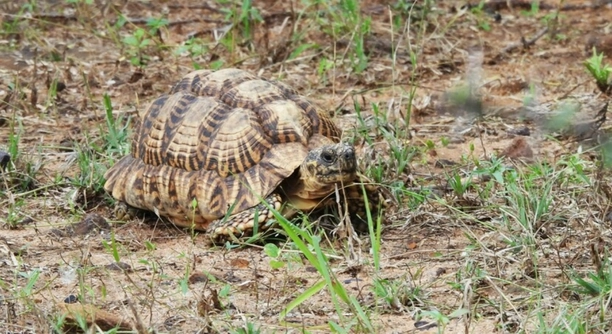
Star tortoises are fascinating creatures with unique behaviors. If you’ve noticed your tortoise rubbing its plastron, you may be wondering what it means. Understanding this behavior is key to ensuring your pet’s well-being.
The main reasons a star tortoise rubs its plastron include mating behavior, shell growth, irritation, or environmental stress. Sometimes, it can be a sign of a health issue such as parasites or fungal infection, which may need attention.
By identifying the root cause, you can provide the necessary care and adjustments to improve your star tortoise’s environment and health.
Mating Behavior
Rubbing the plastron can sometimes be linked to mating behavior in star tortoises. Males often engage in this action as part of courtship rituals. The rubbing is typically directed toward females and is an attempt to display dominance or interest. In the wild, this behavior is seen when males try to impress potential mates, so it may be harmless if your tortoise is not showing other signs of stress.
While this behavior is natural, it is important to make sure your tortoise is healthy. If the rubbing continues frequently or becomes excessive, it might be a good idea to monitor the situation and consider the possibility of other causes.
If mating behavior is suspected, ensure there are no other stressors in the environment that could affect your tortoise. It’s best to provide plenty of space and a calm, secure habitat to keep things comfortable. If you’re unsure, consulting a veterinarian can help rule out any underlying issues and ensure your tortoise’s well-being. Keep an eye on its interactions to gauge whether the behavior is related to mating or something else.
Shell Growth
Young star tortoises may rub their plastron during periods of growth. As their shells expand, they may feel a slight discomfort. This rubbing can help them relieve the irritation that comes with the growth process. It’s more common in younger tortoises.
Shell growth is a natural part of a star tortoise’s life. As they age, their shells continue to grow, and rubbing may be part of the process of adjusting to this change. However, the environment can also play a role in this behavior.
Ensure your tortoise is getting the proper nutrition, including calcium, and has access to sufficient UVB light to support healthy shell development. A balanced diet and correct lighting setup will help ensure that shell growth occurs smoothly without causing unnecessary discomfort. If your tortoise’s rubbing seems extreme or is paired with signs of injury, it’s best to get a professional opinion. Regular check-ups are essential for healthy growth and development.
Environmental Stress
Stress in a star tortoise’s environment can lead to rubbing its plastron. Changes in temperature, humidity, or lighting can create discomfort, making your tortoise feel unsettled. A poorly maintained habitat may lead to this behavior as the tortoise tries to cope.
A proper enclosure with the right temperatures and humidity levels is essential. Make sure the habitat mimics the tortoise’s natural environment as much as possible. Star tortoises prefer warm, dry conditions with areas for both heat and shade. Poor lighting, especially a lack of UVB, can also add to their stress and trigger unusual behaviors like rubbing. Check the settings of your habitat regularly to keep the conditions ideal for your tortoise.
If stress seems to be the issue, make adjustments to its enclosure. Adding hiding spots, ensuring proper light cycles, and maintaining the right temperature range will help your tortoise feel secure. Observe your tortoise’s reaction to changes in the environment to identify what works best. It may take some time to fine-tune the setup, but it’s worth ensuring your tortoise’s comfort.
Shell Irritation or Injury
A tortoise may rub its plastron if it experiences irritation or minor injury to the shell. Scratches, bumps, or even fungal growths can cause discomfort, prompting rubbing as a way of relieving the irritation.
Inspect your tortoise’s shell regularly for any visible damage or changes in appearance. Look for any areas of roughness, discoloration, or swelling that could indicate an issue. If you notice any signs of irritation, such as redness or bumps, this may be a cause for concern. A vet check can help ensure that injuries or infections are treated properly.
In addition to physical injuries, improper substrate in the enclosure can cause irritation. Rough or sharp bedding material may cause abrasions to the shell, leading to rubbing behavior. Make sure to use soft, safe materials that won’t harm your tortoise. Addressing these issues quickly can prevent further discomfort and ensure the health of your star tortoise.
Parasites or Infections
Parasites or infections, like fungal growths, can cause your star tortoise to rub its plastron. These issues often lead to skin irritation or discomfort. Rubbing is a common sign of trying to alleviate the itching or burning sensation.
If you suspect parasites or infection, it’s important to seek help from a vet. They can perform tests and offer treatments like medication to address the issue. Untreated infections can worsen, causing long-term harm to your tortoise’s health. Keep an eye on any unusual behavior or changes in your tortoise’s shell.
Preventing parasites involves maintaining proper hygiene in the enclosure. Regularly clean the habitat and check your tortoise for any signs of abnormal growths, discharge, or excessive rubbing. A healthy environment and prompt treatment can minimize the risk of infections or parasites.
Improper Diet
A lack of proper nutrients in a star tortoise’s diet can lead to rubbing its plastron. This is often due to deficiencies, particularly calcium, which is crucial for shell health. An improper diet can cause discomfort and even affect shell growth.
Make sure your tortoise has access to a balanced diet, rich in leafy greens, and a calcium supplement to support its health. Calcium is vital for the development of a strong, healthy shell. Without it, your tortoise may experience pain or discomfort, which could lead to abnormal behaviors like rubbing.
Proper diet and supplementation should be adjusted according to your tortoise’s age and specific needs. A varied diet rich in fiber and calcium will help prevent shell deformities and improve overall well-being. Always monitor your tortoise for signs of nutritional imbalance and address any issues promptly.
Lack of Exercise
A lack of physical activity can also contribute to rubbing. Tortoises are naturally active animals that need space to roam and explore. If they feel confined or bored, they may engage in repetitive behaviors like rubbing their plastron.
Providing an appropriate amount of space for your tortoise to exercise is crucial. A large, well-enriched enclosure with opportunities for climbing and exploring will help prevent boredom and keep your tortoise active. Allowing time outside of the enclosure in a safe area also gives them much-needed movement.
Creating an environment with obstacles like rocks, logs, or hideaways can encourage your tortoise to stay active. Regular exercise is essential for both physical and mental health, and it can help reduce stress and other behaviors like rubbing.
FAQ
Why does my star tortoise rub its plastron against objects?
Rubbing the plastron against objects can be a sign of stress, mating behavior, or discomfort. If your tortoise is in an environment where the temperature, humidity, or light is not suitable, it might try to alleviate the discomfort by rubbing. This behavior may also be observed when the tortoise feels irritation from parasites, infections, or even shell growth. Ensure that the enclosure is properly maintained and check for any signs of injury or infection that could be causing the rubbing.
Can rubbing indicate an illness in my star tortoise?
Yes, excessive rubbing can sometimes be a sign of illness. If your tortoise is rubbing its plastron frequently and seems uncomfortable, it could be dealing with an infection, fungal growth, or even parasites. These issues may cause irritation or itching, prompting your tortoise to rub against objects to relieve the discomfort. If you notice any unusual signs like swelling, discharge, or abnormal shell growth, it’s important to take your tortoise to a vet for a proper diagnosis and treatment.
How do I know if my tortoise’s rubbing is related to mating?
Mating behavior is common in male star tortoises, and rubbing the plastron can be a way for them to court females. Male tortoises often rub against the female’s shell as part of their mating ritual. If you notice your male tortoise rubbing against a female, especially during the breeding season, this is likely a natural display of interest. However, if there are no other signs of mating behavior and rubbing is frequent, it could indicate a different issue.
What should I do if my star tortoise rubs excessively?
If your star tortoise is rubbing excessively, start by checking the habitat conditions. Ensure the enclosure has the correct temperature, humidity, and UVB lighting. If everything seems fine, inspect your tortoise for any signs of injury, shell growth issues, or parasitic infections. If the behavior persists or if your tortoise appears uncomfortable or in pain, it’s a good idea to consult a veterinarian for a thorough examination. A vet can help identify any underlying health problems and suggest proper treatment.
Can poor diet cause rubbing in star tortoises?
Yes, a poor diet can cause rubbing, especially if your tortoise is not receiving enough calcium or other essential nutrients. Calcium is important for shell growth and strength. A lack of calcium can lead to soft or abnormal shell growth, which may cause discomfort. This can lead your tortoise to rub its plastron as a way of trying to relieve the pain. Ensure your tortoise has access to a variety of leafy greens, and provide a calcium supplement to prevent nutritional deficiencies.
How can I prevent my star tortoise from rubbing its plastron?
To prevent your star tortoise from rubbing its plastron, you need to maintain a healthy and stress-free environment. Make sure the enclosure has the proper temperature, humidity, and UVB lighting to support your tortoise’s needs. A balanced diet that includes calcium-rich foods will help support healthy shell growth and prevent discomfort. Regularly inspect your tortoise for signs of injuries, infections, or parasites. Providing plenty of space and mental stimulation in the form of safe objects to explore can also help prevent boredom-related rubbing.
What are the signs that my star tortoise is in pain?
If your star tortoise is in pain, it may display behaviors like excessive rubbing, lethargy, or a loss of appetite. Other signs to watch for include swollen or deformed areas of the shell, abnormal discoloration, or discharge from the eyes, nose, or mouth. If you notice these symptoms, it’s important to seek professional veterinary help to diagnose and treat the underlying cause. A vet will be able to determine if there’s an infection, injury, or another health issue that requires attention.
How often should I clean my star tortoise’s enclosure?
Regular cleaning is important for your star tortoise’s health. The enclosure should be cleaned weekly, removing any waste and changing the bedding or substrate. You should also spot clean daily, removing any food scraps or soiled areas. Keeping the enclosure clean helps prevent the buildup of bacteria or mold, which can contribute to health issues and might cause your tortoise to rub its plastron in an attempt to relieve irritation.
Can lack of exercise cause rubbing behavior in star tortoises?
Yes, lack of exercise can lead to rubbing behavior. Star tortoises are naturally active and need plenty of space to move around. If they are kept in a small, confined space with little stimulation, they may become bored or stressed. This can lead to repetitive behaviors like rubbing their plastron. Providing a larger enclosure with objects to climb, explore, and hide in will help encourage exercise and reduce stress. If your tortoise has room to roam and explore, it will be less likely to exhibit behaviors related to boredom or confinement.
Can I treat my star tortoise’s rubbing at home, or should I see a vet?
In some cases, you can address mild rubbing at home by ensuring the enclosure conditions are optimal, such as adjusting temperature, humidity, and lighting. If you suspect a diet-related issue, providing proper nutrition and calcium supplements can help. However, if the rubbing is excessive or accompanied by signs of illness, such as swelling, discharge, or abnormal behavior, it’s important to consult a veterinarian. A vet can diagnose any underlying health problems and provide the proper treatment.
Final Thoughts
Understanding why your star tortoise rubs its plastron is key to making sure it stays healthy and happy. While rubbing can sometimes be a normal behavior, especially during mating or shell growth, it’s important to rule out other causes. Factors like environmental stress, shell irritation, or infections can also contribute to this behavior. Keeping an eye on your tortoise’s surroundings and making adjustments as needed can go a long way in preventing unnecessary rubbing. Regular checks for any signs of injury or discomfort will help you address any potential issues early.
A proper diet is another important part of keeping your star tortoise comfortable. A balanced diet that includes enough calcium is essential for healthy shell growth and overall well-being. Without the right nutrients, your tortoise may experience discomfort or even pain, which could lead to rubbing. Ensuring that your tortoise has access to the proper food, along with a clean and safe environment, will help prevent many of the issues that could cause rubbing behavior. When in doubt, consulting a vet can give you peace of mind and ensure your pet is well cared for.
Lastly, don’t forget that a healthy and active star tortoise needs plenty of space to move and explore. Keeping your tortoise confined in a small space can lead to stress and boredom, which may trigger repetitive behaviors like rubbing. By providing an enriched environment, you can encourage exercise and prevent behavioral problems. Regularly changing its environment, offering objects to climb, and ensuring the habitat is suited to its needs will help reduce the likelihood of rubbing. With a little attention to detail, your star tortoise can live a long, healthy life.

Hello,
If you enjoy the content that we create, please consider saying a "Thank You!" by leaving a tip.
Every little bit helps us continue crafting quality advice that supports the health, happiness, and well-being of pets around the world, for pets of all shapes, sizes, and species.
We really appreciate the kindness and support that you show us!