
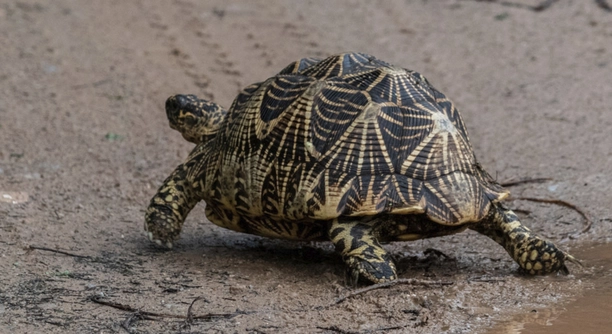
A star tortoise is a unique and fascinating pet. However, sometimes these creatures may face health issues, like red eyes, which can be concerning. Knowing what to do in such situations is important for their well-being.
If your star tortoise develops red eyes, it could be a sign of infection, stress, or environmental factors. Seeking veterinary care is crucial to determine the exact cause and address the problem promptly to ensure your tortoise’s health.
There are several steps you can take to help your tortoise feel better. Understanding the root cause of the issue will guide you through the right solutions for a quick recovery.
Common Causes of Red Eyes in Star Tortoises
Red eyes in a star tortoise can happen for several reasons. It may be a sign of an infection, which could be bacterial or fungal. If your tortoise is exposed to dirty conditions, it can lead to eye issues. Poor humidity levels or an unclean environment may also contribute to eye problems. Stress, caused by a change in surroundings or handling, can make their eyes appear red as well. Additionally, dehydration and poor diet can cause the eyes to become irritated. Identifying the root cause is important for treating your tortoise effectively.
If you notice red eyes, start by examining your tortoise’s environment and behavior. Is the enclosure too dry? Are there signs of infection, such as discharge? If you find something concerning, it’s best to consult a vet to rule out serious conditions.
Taking care of your tortoise’s environment is one of the most effective ways to prevent eye issues. Regular cleaning of the habitat and maintaining proper humidity levels can reduce the risk of infections. You should also make sure that your tortoise is eating a balanced diet. A healthy tortoise is more likely to fight off infections and remain stress-free, keeping its eyes clear. If the eyes don’t improve after addressing these factors, a vet visit is essential.
How to Treat Red Eyes in Star Tortoises
If your tortoise’s red eyes persist, immediate action is necessary. First, assess the situation carefully and look for other symptoms, like lethargy, loss of appetite, or unusual behavior. These signs can point to an underlying health issue that needs professional attention. If there’s discharge or swelling around the eyes, a vet visit is necessary to properly diagnose the condition.
Treatment may include prescription medication, such as eye drops or antibiotics, depending on the underlying cause. If the red eyes are due to infection, your vet will determine the right medication to clear it up. Keeping your tortoise’s habitat clean, with a proper diet and humidity level, will help prevent future occurrences. Regularly monitor the health of your star tortoise to ensure any signs of discomfort are addressed quickly.
The most important thing is to act fast if you notice any changes in your tortoise’s behavior or appearance. Taking these steps will not only help your pet recover but also keep it healthy in the long run.
Maintaining Proper Humidity Levels
Humidity is crucial for your star tortoise’s overall health, including their eyes. If the humidity is too low, it can lead to dehydration, causing irritation and redness in the eyes. Keep the enclosure humid enough to mimic its natural environment. A humidity range of 50-70% is ideal.
Regularly check the humidity levels inside your tortoise’s habitat, especially in warmer months when the air can become drier. Use a hygrometer to track the humidity and adjust it as needed. You can add water to the substrate or use a misting system to raise the humidity. Proper humidity levels help your tortoise stay hydrated, reducing the risk of eye problems.
If the air becomes too dry, it can also make your tortoise more susceptible to infections. Consistently maintaining the right humidity will help prevent eye dryness and irritation. Additionally, providing access to a humid hide or misting it a few times a week can further support your tortoise’s health.
Cleaning the Enclosure
A clean enclosure is essential to keep your tortoise healthy, especially when dealing with eye issues. Dirty bedding and unclean water can introduce bacteria or fungi, leading to eye infections. It’s crucial to regularly clean both the habitat and any items inside it.
Start by removing waste and replacing the bedding with fresh material. Clean water dishes daily to ensure they are free from contaminants. Wipe down any surfaces your tortoise touches, especially if you notice any waste or mold build-up. A clean environment will help prevent infections that can lead to red eyes. Ensure the substrate is dry and not moldy, as this can contribute to health problems.
Regular cleaning also helps maintain the right conditions for your tortoise. Dirty environments increase stress, which can make your tortoise more prone to health issues, including eye problems. A clean habitat promotes a healthier tortoise and will reduce the risk of eye irritation or infection.
Managing Stress in Star Tortoises
Stress can trigger red eyes in star tortoises. It can be caused by sudden changes in their environment, excessive handling, or being placed in a noisy area. Reducing stress is vital for their well-being.
To help your tortoise, make sure its environment is calm and stable. Avoid constant handling and loud noises. If you need to move its enclosure, do so gradually, allowing time for adjustment. A stress-free tortoise will have a better chance of staying healthy, including keeping its eyes clear and free from irritation.
Proper Diet for Healthy Eyes
A balanced diet plays a major role in your star tortoise’s health, including its eye condition. Feeding a variety of leafy greens, vegetables, and the occasional fruit can keep their immune system strong and help prevent infections.
Incorporating calcium-rich foods and ensuring they get the proper vitamins will support their overall health. A proper diet strengthens their resistance to common health issues and helps maintain clear eyes. Avoid overfeeding or providing sugary foods, as this can lead to other health problems. A good diet keeps your tortoise hydrated and healthy, reducing the risk of eye problems.
Hydration and Its Role in Eye Health
Dehydration is another factor that can lead to red eyes. Ensuring that your star tortoise has access to fresh, clean water is essential for its eye health. Make sure its water dish is regularly cleaned and filled.
FAQ
What causes red eyes in a star tortoise?
Red eyes can occur due to various reasons, including infection, stress, dehydration, or poor environmental conditions. An eye infection, such as conjunctivitis, can cause redness, swelling, and discharge. Poor humidity levels or inadequate diet can also stress your tortoise and lead to eye problems. If the tortoise is not getting enough water or the right nutrients, its eyes can become irritated and red. To address this, you should check the habitat conditions and diet to ensure they are appropriate. If there is no improvement, it’s important to visit a vet to rule out infection or other serious issues.
How can I tell if my tortoise has an eye infection?
Signs of an eye infection in a star tortoise include redness, swelling, excessive discharge, and squinting. Your tortoise may also show signs of discomfort, such as rubbing its face or hiding more than usual. If the infection is severe, the eye might appear cloudy or have noticeable mucus or pus. An eye infection often requires veterinary treatment, so don’t hesitate to take your tortoise to a professional if you notice these signs. Early intervention can prevent the condition from worsening and causing more harm to your tortoise.
Can stress lead to red eyes in star tortoises?
Yes, stress is a common cause of red eyes in star tortoises. These reptiles are sensitive to changes in their environment. Factors such as loud noises, frequent handling, or a sudden shift in their habitat can lead to stress, which might cause their eyes to turn red. Stress can also weaken their immune system, making them more prone to infections. To reduce stress, ensure your tortoise’s environment is calm, stable, and comfortable. Avoid handling it too much and give it time to adjust to any changes in its surroundings.
What should I do if my tortoise’s eyes are swollen?
If your tortoise’s eyes are swollen, it could be a sign of an infection, injury, or environmental issue. First, check the habitat for any factors that could cause irritation, such as poor humidity or dirty bedding. If the swelling persists or is accompanied by discharge, it’s best to consult a veterinarian. Your vet can assess the cause of the swelling and recommend the proper treatment, such as antibiotic eye drops or other medications. Swollen eyes should not be ignored, as they can lead to more serious health problems if untreated.
How can I prevent eye problems in my star tortoise?
Preventing eye problems starts with creating a suitable living environment. Make sure your tortoise has proper humidity levels, a clean habitat, and access to fresh, clean water. Regularly clean the enclosure and replace bedding to reduce the risk of infections. Additionally, provide a balanced diet with a variety of leafy greens and vegetables to support your tortoise’s immune system. Avoid stress by keeping the habitat quiet and stable, and minimize handling. Ensuring that your tortoise stays hydrated and free from stress will go a long way in preventing eye issues.
What is the best way to hydrate my star tortoise?
The best way to hydrate your star tortoise is by providing access to fresh water at all times. Make sure the water dish is clean and large enough for the tortoise to soak in, as some tortoises drink by soaking themselves. Additionally, misting the enclosure lightly can increase humidity, which helps with hydration. A diet rich in water-dense foods like leafy greens, squash, and cucumbers also helps keep your tortoise hydrated. Regular hydration is crucial for overall health, including maintaining healthy eyes and preventing dryness or irritation.
Can improper diet cause red eyes in star tortoises?
Yes, an improper diet can contribute to eye problems in star tortoises. A lack of essential nutrients, such as calcium and vitamin A, can weaken their immune system, making them more prone to infections that cause red eyes. Feeding your tortoise a diet high in fiber, with a variety of leafy greens and vegetables, is key to maintaining its health. Also, avoid overfeeding fruits or foods that are too high in sugar, as these can lead to digestive issues and affect their overall health. A balanced diet supports both eye health and overall well-being.
How long does it take for red eyes to heal in a star tortoise?
The healing time for red eyes in a star tortoise depends on the underlying cause. If the redness is due to an infection, it may take several days to a couple of weeks for the eyes to heal, depending on the severity of the condition and the treatment. If the redness is caused by environmental factors like dehydration or stress, addressing those factors may lead to quicker improvement. However, if the condition worsens or doesn’t improve after a few days, a visit to the vet is necessary to prevent further complications.
Is it safe to use over-the-counter eye drops for my tortoise?
It’s best not to use over-the-counter eye drops designed for humans or other animals on your star tortoise without consulting a vet. These products may not be suitable for reptiles and could potentially cause more harm than good. Reptiles have different eye structures and sensitivities compared to mammals. If your tortoise’s eyes are red or irritated, seek professional veterinary advice before applying any treatment. A vet will provide the right medication, such as reptile-specific eye drops, to treat the condition safely.
Can I handle my star tortoise if its eyes are red?
It’s best to minimize handling if your star tortoise’s eyes are red, especially if the redness is due to stress or infection. Handling can increase stress levels, which might make the condition worse. Allow your tortoise time to rest and recover in a calm and quiet environment. If the eyes are infected or swollen, handling can also irritate the eyes further. Once the tortoise is healed, you can resume handling, but always be gentle and avoid causing unnecessary stress.
Final Thoughts
Taking care of a star tortoise requires attention to detail, especially when it comes to their health. Red eyes can be a sign of different issues, from infection to environmental factors like stress or poor humidity. While it can be concerning to see your tortoise’s eyes appear red, it is often treatable once you identify the cause. By carefully managing their living conditions, providing proper hydration and nutrition, and reducing stress, you can help your tortoise recover quickly and stay healthy in the long run.
It’s important to remember that star tortoises are sensitive to changes in their environment. Small adjustments, like maintaining the right humidity and ensuring a clean habitat, can make a big difference in preventing eye issues. A balanced diet, including calcium and vitamins, is also crucial for their overall health. Regularly monitoring their health and behavior allows you to catch any signs of trouble early, helping you address issues before they become more serious. If you are ever unsure about the cause of your tortoise’s red eyes, consulting a veterinarian is always the safest choice.
By staying proactive and attentive to your tortoise’s needs, you can minimize the chances of eye problems. Consistency in their care routine plays a major role in their well-being. Whether it’s adjusting their habitat or providing extra care during stressful times, your star tortoise will thank you with a happy, healthy life. Keep learning and observing your pet closely, and remember, most eye issues can be managed with the right care and attention.

Hello,
If you enjoy the content that we create, please consider saying a "Thank You!" by leaving a tip.
Every little bit helps us continue crafting quality advice that supports the health, happiness, and well-being of pets around the world, for pets of all shapes, sizes, and species.
We really appreciate the kindness and support that you show us!