
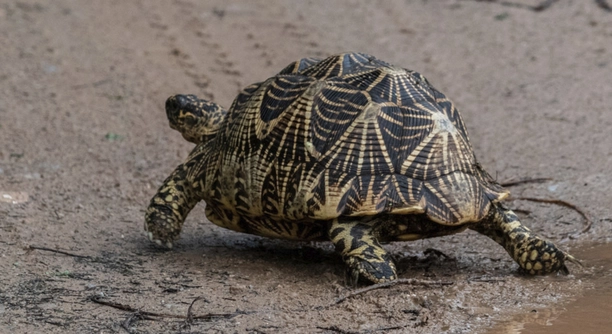
Star tortoises are fascinating creatures with specific needs when it comes to their diet. Providing the right food is essential for their health and well-being. Unfortunately, many owners make common mistakes that can cause serious health problems for their pets.
There are several common diet mistakes that can lead to health issues in star tortoises. These mistakes include feeding them too much protein, offering an imbalanced diet, and neglecting their need for calcium. Such errors can cause digestive issues, shell deformities, and more.
Correcting these diet mistakes is crucial to your star tortoise’s overall health and longevity. In the following sections, we will break down the most common errors and guide you toward the proper care and feeding practices.
Feeding Too Much Protein
Feeding star tortoises a diet that is too high in protein is one of the most common mistakes. Star tortoises are herbivores and should primarily consume plants such as grasses, leafy greens, and vegetables. Overloading them with protein can cause kidney damage, digestive issues, and shell deformities. This mistake often comes from feeding them high-protein foods like animal-based products, which are not suitable for their diet.
Protein is essential for growth, but too much can be harmful. Young tortoises may require slightly higher protein levels during their growth phase, but adult star tortoises need much less. The imbalance leads to poor health, including shell growth problems and urinary issues.
To avoid this mistake, make sure your tortoise’s diet is mostly plant-based. Leafy greens such as dandelion, clover, and collard greens, along with grasses, are ideal. Avoid feeding high-protein foods like eggs, meat, or high-protein commercial pellets, as they can cause serious long-term health problems.
Lack of Calcium
Calcium is essential for the healthy growth of a star tortoise’s shell and bones. A calcium deficiency can lead to soft shell syndrome, where the shell becomes weak and deformed. Without enough calcium, the tortoise’s bones can also weaken, increasing the risk of fractures.
To ensure proper calcium intake, offer calcium-rich foods such as dark leafy greens and a variety of grasses. Supplementing with calcium powder is also a good idea. Calcium is best absorbed with vitamin D3, which can be provided through appropriate lighting. Without proper calcium, your tortoise will struggle to maintain its health and physical structure.
A calcium-rich diet plays a vital role in maintaining a star tortoise’s overall well-being. By providing the right balance, you will ensure that your pet thrives and avoids potential health issues. Proper calcium intake, combined with sufficient UVB light exposure, supports strong, healthy growth.
Overfeeding
Overfeeding is a common mistake that can lead to obesity in star tortoises. Obesity puts stress on their organs and can lead to a shorter lifespan. It’s important to avoid giving them large amounts of food at once.
Overfeeding can also result in a lack of proper digestion, causing gut problems. A tortoise with excess fat may experience difficulty moving around and may develop shell deformities. The best approach is to feed them moderate portions and remove any uneaten food after a few hours to prevent overeating.
Monitor their weight and adjust portions based on age, size, and activity level. Offer a variety of plants to ensure a balanced diet. Always remember that a small, well-balanced meal is better than excess food that leads to health issues.
Too Many Fruits
Star tortoises love fruits, but too many can be harmful. Fruits contain high amounts of sugar, which can disrupt their digestion and cause metabolic issues.
Offering too many fruits can lead to imbalanced nutrition and even diarrhea, weakening their immune system. It’s essential to limit fruit portions and focus on fibrous plants, grasses, and vegetables for optimal health.
Instead of providing fruit daily, give it only occasionally as a treat. Stick with a diet that includes leafy greens and various grasses, which provide the necessary fiber and nutrients for your star tortoise’s well-being.
Feeding Low-Quality Commercial Diets
Many star tortoise owners use commercial tortoise food, but low-quality options can be harmful. These products often lack the necessary nutrients and may contain fillers that aren’t suitable for a tortoise’s digestive system.
While some commercial diets offer convenience, they don’t replace fresh, nutrient-rich foods like grasses and leafy vegetables. Relying too much on processed food can cause vitamin deficiencies and result in long-term health problems. Always check the ingredients list and avoid products with artificial additives or too much protein.
A fresh, varied diet is always the best option for your star tortoise. Offering natural foods will ensure they get the proper nutrients to thrive.
Ignoring Hydration
Star tortoises need regular access to clean water for hydration. Without enough water, they can become dehydrated, which can cause problems like constipation and difficulty shedding their skin.
Provide a shallow water dish that your tortoise can easily access. Make sure to clean it daily to prevent bacterial growth and always keep the water fresh. Proper hydration supports digestion and overall well-being, ensuring your tortoise stays healthy and active.
Lack of Variety in Diet
A lack of variety in your tortoise’s diet can result in nutrient imbalances. Star tortoises require different types of plant matter to meet all their dietary needs, including fiber, vitamins, and minerals.
Feeding a limited selection of food, such as only one type of leafy green, can lead to deficiencies in important nutrients. Rotate the types of vegetables, grasses, and weeds you offer, ensuring your tortoise gets a balanced range of nutrients. This approach will help support their immune system and overall health.
FAQ
What should I feed my star tortoise daily?
A star tortoise’s diet should consist primarily of leafy greens, grasses, and other high-fiber plants. Suitable options include dandelion greens, clover, collard greens, and plantain. You can also offer edible weeds and flowers such as hibiscus or geranium. Avoid high-protein foods like meat, dairy, or eggs, which are not appropriate for a herbivorous tortoise. The key is to provide a variety of plants to ensure a balanced diet. Supplementing with calcium powder a few times a week is also beneficial for maintaining strong bones and shells.
How often should I feed my star tortoise?
A star tortoise should be fed daily, especially during their active growing stage. Adult tortoises may require slightly fewer meals, but still, need fresh food every day. Offer moderate portions that can be consumed within a few hours. If there’s leftover food, remove it to avoid spoilage. Remember that overfeeding can lead to obesity, so always be mindful of portion sizes. Tortoises typically have a slow metabolism, so small, frequent meals work best for their health.
Can I feed my star tortoise fruit every day?
No, feeding fruit every day is not recommended for star tortoises. Fruit is high in sugar, which can upset their digestive system and lead to metabolic issues. Offering fruit once or twice a week as a treat is fine, but it should never make up the bulk of their diet. Focus on fibrous plants, grasses, and leafy greens for the majority of their nutrition. Too much fruit can cause digestive problems, so it’s best to limit it to small, occasional servings.
How do I know if my star tortoise is eating enough?
Monitor your star tortoise’s weight and activity level to gauge whether they are eating enough. If your tortoise is active, regularly moving around, and not losing weight, they are likely getting the proper amount of food. If their shell appears too soft or they seem lethargic, it might indicate a lack of proper nutrition. Ensure their food is fresh and varied and that they are drinking enough water. If you are unsure, consulting with a vet can help you assess their diet and make necessary adjustments.
What are signs of calcium deficiency in star tortoises?
A calcium deficiency in star tortoises can lead to soft or deformed shells, weakness, and even fractures. If you notice that your tortoise’s shell is soft or if they seem less active than usual, they may not be getting enough calcium. Another sign is irregular shell growth, where the scutes (the individual plates of the shell) may not develop properly. To prevent this, make sure to provide a calcium supplement, offer calcium-rich foods, and ensure they have access to UVB light, which helps them process calcium.
Is it okay to feed my star tortoise commercial tortoise food?
While some commercial tortoise foods are designed to be nutritionally balanced, many contain fillers, artificial colors, and preservatives that can harm your star tortoise in the long run. It’s best to use these products only as occasional supplements, not as the main diet. Fresh, natural plants are always better than processed foods. If you do choose to feed commercial food, look for high-quality options with no added sugars, fillers, or excessive protein. Always read the ingredients list before feeding them to your tortoise.
Can I feed my star tortoise vegetables like carrots or bell peppers?
Yes, vegetables like carrots and bell peppers are fine for star tortoises in small amounts. Carrots provide vitamin A, which is good for their health, but they should be offered in moderation due to their high sugar content. Bell peppers are a good source of vitamin C, but should also be given occasionally. Always avoid feeding your tortoise too many starchy vegetables like potatoes, as they can cause digestive issues. A variety of vegetables should be included, but greens and grasses should always be the foundation of their diet.
What if my star tortoise refuses to eat?
If your star tortoise refuses to eat, it could be due to stress, a change in their environment, or health issues. Ensure they have access to proper lighting (including UVB) and the correct temperature. Stress from handling or a dirty enclosure can also affect their appetite. If their refusal to eat persists for more than a few days, consult a vet to rule out any underlying health problems, such as parasites or infections. Offering fresh, appealing food options like dandelion greens or hibiscus flowers may also help stimulate their appetite.
Can I feed my star tortoise wild plants?
Yes, feeding your star tortoise wild plants can be a great way to provide a varied diet, but you need to be cautious. Only offer plants that are safe and free from pesticides or pollutants. Some wild plants are toxic to tortoises, so it’s important to research the plants you plan to collect. Common safe plants include dandelion greens, clover, and certain grasses. Avoid feeding them plants like nightshades or anything from the Solanaceae family, as they are harmful. Always double-check before offering any wild plants.
How can I ensure my star tortoise gets enough hydration?
Hydration is essential for star tortoises, and you should provide fresh, clean water daily. Place a shallow dish in their enclosure where they can drink and soak if desired. In addition to offering water, soaking your tortoise in lukewarm water a couple of times a week can help with hydration and bowel movements. Be sure to monitor their hydration levels, as dehydration can cause health issues like constipation and skin shedding problems. Keeping their enclosure humid and providing fresh water regularly is key to their overall health.
Final Thoughts
Taking care of a star tortoise requires attention to detail, especially when it comes to their diet. While they are hardy animals, their health can easily be affected by small mistakes in their feeding routine. By focusing on a diet rich in leafy greens, grasses, and calcium, you can ensure that your tortoise stays strong and healthy for years to come. Avoiding overfeeding, high-protein foods, and too much fruit can help prevent health issues like obesity, digestive problems, and shell deformities.
It’s also important to remember that each tortoise is unique. Some may require slight adjustments to their diet depending on their age, size, and activity level. Observing your tortoise’s behavior and health will guide you in fine-tuning their meals. If your tortoise is active, with a smooth and hard shell, and showing no signs of illness, it’s a good sign they are getting the right nutrition. If any issues arise, consulting with a vet can help pinpoint the problem and provide solutions.
Overall, a balanced and varied diet, proper hydration, and the right amount of calcium are key factors in keeping your star tortoise healthy. A little care and understanding of their needs go a long way. By ensuring you meet these basic requirements, you will set your tortoise up for a long, healthy life.

Hello,
If you enjoy the content that we create, please consider saying a "Thank You!" by leaving a tip.
Every little bit helps us continue crafting quality advice that supports the health, happiness, and well-being of pets around the world, for pets of all shapes, sizes, and species.
We really appreciate the kindness and support that you show us!