
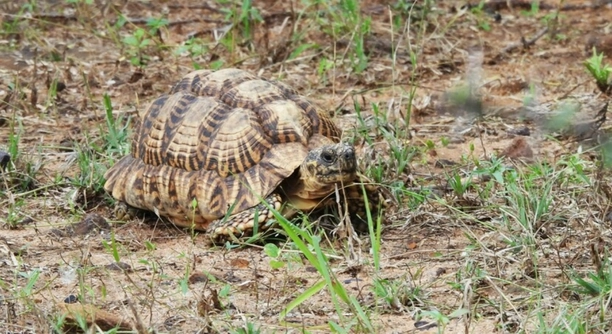
Tortoises are fascinating creatures with specific dietary needs. Encouraging them to eat greens can sometimes be tricky, but with the right strategies, you can help them develop healthier eating habits. This article will explore practical ways to get your star tortoise to enjoy greens.
The best way to encourage a star tortoise to eat greens is by offering fresh, appealing, and properly prepared vegetables. Mixing different types of greens and adding a variety of textures can stimulate their interest and improve acceptance.
Knowing how to present greens and what types to offer can make all the difference in your tortoise’s diet. Let’s explore some helpful tips to get your star tortoise eating healthy greens consistently.
1. Offer a Variety of Fresh Greens
Tortoises, like humans, have preferences when it comes to food. Some may love one type of green, while others are more selective. To get your star tortoise to eat more greens, try offering a variety of fresh vegetables. A mix of leafy greens such as dandelion leaves, collard greens, and kale can keep things interesting for them. These greens are rich in nutrients, which is essential for your tortoise’s health. Try to change the greens regularly to keep them engaged and curious about their food. Just make sure you’re offering non-toxic, safe greens.
Mixing the greens will help your tortoise explore different tastes and textures. The variety might also stimulate their natural foraging instincts. Fresh greens are an excellent source of hydration, so ensure you rinse them thoroughly before serving.
Tortoises tend to gravitate toward certain textures, so offer both softer and firmer greens. While some tortoises may enjoy tender, leafy greens, others prefer more fibrous, thicker varieties. Experiment with combinations to find what works best for your pet. Keep in mind that some tortoises might need a little time to adjust to new foods, so be patient and observe their eating habits closely.
2. Add Natural Flavor Enhancements
Sometimes, tortoises need a little extra help to encourage their appetite. Adding natural flavor enhancers, such as small amounts of fruits like strawberries or mango, can help make greens more attractive. Be cautious not to overdo it, as fruits should be given in moderation. These additions can spark their curiosity, prompting them to explore the greens beneath the fruit.
Incorporating natural flavors into their diet is a simple way to boost their interest in vegetables without causing any harm. Just ensure that the fruits you add are safe and appropriate for their digestive system.
You can also consider sprinkling a small amount of finely chopped herbs like basil or oregano over the greens. The strong, aromatic scents may help draw your tortoise’s attention. By adding herbs to their greens, you can create an experience that’s both nutritious and stimulating. Additionally, using edible flowers like hibiscus can further entice them to eat. Always keep the serving sizes small and monitor their reaction to these enhancements, ensuring they continue to enjoy a balanced diet.
3. Try Hand-Feeding
Sometimes, tortoises need a little encouragement to eat. Hand-feeding is a good way to get their attention and show them that the greens are safe to eat. Gently place the greens in front of their face and allow them to nibble directly from your hand. This method can make them feel more comfortable and less hesitant to try something new.
Hand-feeding also provides an opportunity to bond with your star tortoise. It might take some time, but the gentle approach can build trust and make them feel more secure. Over time, they may begin to associate you with tasty treats, making them more likely to try the greens you offer.
If you’re trying to hand-feed, be patient and avoid forcing them. Let them approach the food on their own terms. If they don’t seem interested at first, remove the food and try again later. Gradually, your tortoise may start reaching for the greens you provide, encouraging them to eat regularly.
4. Use a Feeding Dish
A feeding dish helps organize the greens in one spot, making it easier for your star tortoise to eat. It also keeps the food from being scattered all over the enclosure. Choose a shallow, non-slippery dish that will allow your tortoise to reach the greens easily without the risk of them spilling out. Make sure the dish is large enough to hold a variety of greens.
Using a feeding dish can also help keep the environment tidy and reduce waste. When greens are scattered on the floor, they often get stepped on or soiled, making them unappetizing for your tortoise. Having a designated spot for food makes clean-up easier and encourages your tortoise to focus on eating rather than wandering around.
Additionally, using a dish lets you monitor how much food your tortoise eats. If you notice that the greens are disappearing quickly, you can increase the quantity over time. Keep the dish clean and change the greens regularly to maintain their freshness, ensuring your tortoise always has access to healthy, appealing meals.
5. Offer Greens at the Right Time
Timing is key when feeding your star tortoise. Offer greens at the same time every day, ideally when your tortoise is most active. Star tortoises are generally more eager to eat in the morning or early afternoon. By establishing a routine, your tortoise will begin to expect food during these periods.
Avoid offering greens late in the evening or when your tortoise seems sleepy or inactive. If you notice that your tortoise isn’t eating during one feeding, try again at a different time to see if it makes a difference. Consistency helps them adapt to mealtime.
6. Provide a Warm Environment
A warm environment plays a big role in your tortoise’s appetite. Tortoises rely on heat to digest their food properly, so if their habitat is too cold, they may not feel like eating. Ensure that the basking area is warm enough, usually around 90 to 95°F.
The warmth helps activate their digestive system and encourages them to eat. If your star tortoise is eating less than usual, check the temperature of the enclosure. Adjusting the heat might stimulate their appetite and encourage them to eat more greens. Proper lighting and heating are vital for their overall health and wellbeing.
7. Remove Uneaten Greens
Leaving uneaten greens in the enclosure can cause them to spoil quickly. It’s important to remove leftover food to maintain a clean environment. Tortoises are less likely to eat old, wilted, or contaminated greens. Regularly clean the enclosure and replace any uneaten food with fresh greens.
By removing leftovers promptly, you also avoid attracting pests or causing health issues in your tortoise’s living space. Keeping food fresh and tidy will help encourage your tortoise to eat more, as they’re more likely to nibble on greens that look fresh and appealing.
FAQ
What are the best greens for a star tortoise?
Star tortoises thrive on a variety of leafy greens, including dandelion greens, collard greens, and mustard greens. You can also offer endive, radicchio, and arugula. These greens are high in nutrients and are easy for tortoises to digest. Avoid feeding them iceberg lettuce or spinach regularly, as these can have too much water content or oxalates, which are harmful in large amounts. Offering a mix of these greens will help ensure your tortoise gets a variety of nutrients.
How often should I feed my star tortoise greens?
Star tortoises should be fed fresh greens every day. In their natural habitat, they would consume a variety of plants daily, so providing a consistent feeding schedule helps them stay healthy. It’s important to offer food at the same time each day to establish a routine. Adjust the amount based on your tortoise’s age and size, but a typical adult star tortoise should get around 1 to 2 cups of greens daily. If you’re unsure, always consult a vet for more personalized advice.
Can I feed my star tortoise fruit?
Fruits can be offered occasionally but should not be the main part of their diet. Star tortoises prefer greens over fruits, and too much fruit can upset their digestive system. Fruits like strawberries, melons, and papayas are safe in small amounts. A good rule is to offer fruit once or twice a week, making sure it’s cut into small, manageable pieces. Always avoid sugary or high-fat fruits as they can lead to health issues over time.
How do I know if my star tortoise is eating enough?
You can monitor your star tortoise’s eating habits by tracking the amount of greens they consume daily. If the greens are consistently eaten within a few hours, it indicates a healthy appetite. If you notice that food is being left untouched or consumed slowly, it may be a sign that the greens are not appealing, or there could be an underlying health issue. Regular weight checks can also help determine if they’re eating enough. If your tortoise is losing weight or showing signs of lethargy, it’s best to consult a vet.
Is it okay to feed my star tortoise store-bought salad mixes?
Store-bought salad mixes can be convenient, but they’re not always ideal for your star tortoise. Many pre-packaged mixes contain iceberg lettuce, which has little nutritional value. Some may also contain ingredients that are harmful to tortoises, like cabbage or too many high-oxalate vegetables. If you use a salad mix, make sure to check the ingredients carefully and supplement with other healthy greens. It’s always better to use fresh, safe, and nutrient-rich greens.
Can I feed my star tortoise greens from my garden?
Feeding your star tortoise greens from your garden can be a great way to provide fresh food, but it’s crucial to ensure that the plants are safe. Avoid any plants that have been treated with pesticides or chemicals. Some common garden plants, like tomatoes or certain flowers, can be toxic to tortoises. Stick to safe greens, like dandelion leaves, clover, and grass. Always verify that the plants you grow are non-toxic to tortoises before offering them.
Should I provide supplements for my star tortoise?
While a varied diet of fresh greens usually provides the necessary nutrients, you might need to supplement calcium and vitamin D3 if your tortoise isn’t getting enough from its food. Calcium is particularly important for shell and bone health. You can sprinkle a small amount of calcium powder on their greens or use a UVB light to help them process vitamin D3. However, supplementation should be done carefully to avoid over-supplementing, as this can lead to health problems. Always consult your vet before starting any supplements.
What should I do if my star tortoise stops eating greens?
If your star tortoise suddenly refuses to eat greens, there could be several reasons. Stress, a change in environment, or even incorrect temperatures in their enclosure can all affect their appetite. Make sure the enclosure is at the right temperature and humidity levels, and check for any signs of illness. Try offering different types of greens or using some of the methods mentioned earlier, like hand-feeding or adding fruits. If the refusal to eat lasts more than a few days or your tortoise shows other signs of illness, consult a vet for further advice.
Can I feed my star tortoise cooked vegetables?
It’s generally best to feed your star tortoise raw vegetables, as they retain more nutrients and enzymes. Cooking vegetables can reduce their nutritional value, and it can also make them harder to digest. However, if your tortoise is refusing raw greens, lightly steaming certain vegetables may help soften them and make them more appealing. Just be sure not to overcook, as that can destroy the nutrients. Fresh, raw greens should always be the primary focus of their diet.
Why is my star tortoise not eating greens despite offering them daily?
If your tortoise is refusing greens, it could be due to factors like stress, an unappealing food texture, or even a health issue. Consider checking the temperature and humidity levels in their enclosure, as tortoises rely on heat to stimulate their appetite. The food may also be too bitter, or it could be a food item they don’t enjoy. Try offering a wider variety of greens and fruits in small amounts. If the issue persists, it’s best to get advice from a vet.
Final Thoughts
Encouraging a star tortoise to eat greens may take some patience, but with the right strategies, it’s entirely possible. Offering a variety of fresh, safe greens is essential for ensuring your tortoise gets the proper nutrients. Mixing different types of vegetables can keep things interesting and help them discover what they enjoy most. You can also try adding small amounts of fruit or herbs to make the greens more appealing. By experimenting with different food options and methods, you’ll increase the chances of your tortoise developing healthy eating habits.
It’s also important to pay attention to your tortoise’s environment. Proper heating and lighting can have a big impact on their appetite. Tortoises need warmth to help digest their food, so ensure the temperature in their habitat is consistent and suitable. Regularly monitor the humidity levels and overall conditions in their enclosure. A warm, comfortable environment encourages your tortoise to feel safe and active, which, in turn, can help stimulate their hunger. Keep an eye on how your star tortoise responds to different setups and adjust accordingly to create the best eating conditions.
If you’ve tried several methods and your star tortoise still isn’t eating enough greens, it might be time to consult a veterinarian. A lack of appetite can sometimes be a sign of an underlying health issue that requires professional attention. A vet can help rule out potential health problems and guide you on how to improve your tortoise’s diet and eating habits. With the right care, your tortoise will eventually develop a preference for greens, leading to a healthier and happier life.

Hello,
If you enjoy the content that we create, please consider saying a "Thank You!" by leaving a tip.
Every little bit helps us continue crafting quality advice that supports the health, happiness, and well-being of pets around the world, for pets of all shapes, sizes, and species.
We really appreciate the kindness and support that you show us!