
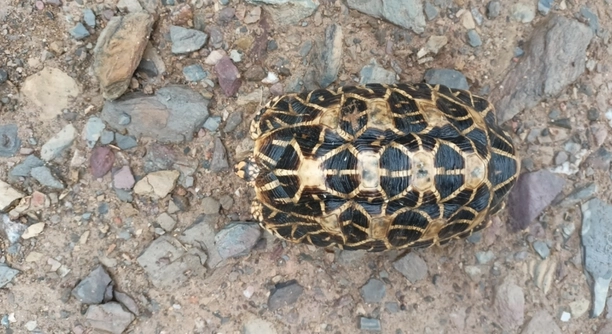
Star tortoises are unique and fascinating pets, and caring for them requires a thoughtful approach to their diet. Proper nutrition is essential for their health and longevity. This includes incorporating the right supplements into their meals.
A well-balanced diet for a star tortoise includes various essential supplements to ensure they receive the necessary vitamins and minerals. Key supplements support their immune system, shell health, and overall well-being. It is important to choose the right ones for their specific needs.
Maintaining a healthy diet for your star tortoise requires more than just feeding them vegetables. The following supplements can make a significant difference in their health and quality of life.
Vitamin D3 for Strong Shells
Vitamin D3 is crucial for a star tortoise’s overall health, particularly for shell development. This vitamin aids in the absorption of calcium, which is essential for a strong and healthy shell. Without adequate vitamin D3, your tortoise may experience softening of the shell, leading to deformities and other health complications.
It is important to ensure your star tortoise gets enough sunlight or UVB lighting to produce vitamin D3 naturally. If they spend most of their time indoors, a supplement might be necessary.
A calcium supplement paired with vitamin D3 ensures proper calcium absorption and prevents metabolic bone disease. For outdoor tortoises, natural sunlight typically suffices. However, indoor tortoises may require a UVB light to mimic natural sunlight. When purchasing a supplement, it’s vital to choose one with the correct ratio of calcium to vitamin D3, as excessive vitamin D3 can lead to toxicity. Consult your veterinarian for specific dosage recommendations based on your tortoise’s age, size, and lifestyle.
Calcium for Healthy Bones
Calcium plays an essential role in maintaining strong bones and a healthy shell.
While a balanced diet provides some calcium, it often doesn’t meet the full requirements. Offering calcium powder ensures your tortoise gets enough to prevent bone issues and shell deformities.
Fiber for Digestive Health
Fiber is crucial for maintaining a healthy digestive system in star tortoises. It aids in the smooth movement of food through the intestines, preventing constipation and other digestive issues. A diet rich in fiber ensures your tortoise’s gut stays healthy and efficient.
Fiber is typically found in high-quality grasses, leafy greens, and vegetables. Incorporating fibrous foods, like dandelion greens and clover, helps promote healthy digestion. A lack of fiber can lead to slow digestion and other gastrointestinal problems, which may affect your tortoise’s overall well-being.
It’s important to avoid high-starch vegetables or fruits that may disrupt the digestive system. Regular access to fresh, fibrous foods mimics the tortoise’s natural diet, improving gut function and supporting their health. Consistent fiber intake is vital for long-term digestive health and helps maintain your star tortoise’s weight and energy levels.
Omega-3 Fatty Acids for Skin and Coat
Omega-3 fatty acids support the skin and coat of star tortoises, promoting healthy, smooth shells and preventing dry skin.
These fatty acids are typically found in fish oil and certain plant-based oils. When added to a tortoise’s diet, omega-3 fatty acids help reduce inflammation and maintain a healthy skin barrier. Regular supplementation can reduce the risk of skin issues, especially during seasonal changes or stressful conditions.
Probiotics for Gut Health
Probiotics help support healthy gut bacteria in star tortoises. They assist in digestion and can prevent issues like bloating or diarrhea, which can be common in reptiles. These beneficial bacteria play an important role in nutrient absorption and overall gastrointestinal function.
A regular probiotic supplement can boost gut health, especially when your tortoise faces stress or a diet change. Probiotics also help balance the gut microbiome, reducing the risk of infections and other digestive problems. Look for a high-quality reptile-specific probiotic to ensure your star tortoise gets the right strains of bacteria.
Vitamin A for Vision and Immunity
Vitamin A plays a crucial role in maintaining healthy vision and boosting immunity in star tortoises.
This vitamin is commonly found in dark leafy greens, carrots, and other orange or green vegetables. A lack of vitamin A can lead to vision problems or even immune system weakness, making your tortoise more susceptible to illness.
FAQ
What is the best way to give supplements to a star tortoise?
Supplements can be added to your star tortoise’s food or sprinkled over their meals. Some supplements come in powder form, making it easier to dust over leafy greens, while others may be provided as pellets. It’s important to follow the recommended dosage and consult your vet to ensure the proper amount is being given. Avoid over-supplementing, as too much of certain vitamins or minerals can cause health issues.
How often should I supplement my star tortoise’s diet?
The frequency of supplementation depends on the specific supplement. Some, like calcium or vitamin D3, might be needed daily or a few times a week. Others, like probiotics or omega-3 fatty acids, can be offered once or twice a week. Always check with your vet for the appropriate schedule based on your tortoise’s age, size, and health needs.
Can I rely solely on supplements to provide a balanced diet for my tortoise?
No, supplements should not replace a balanced diet. They are meant to fill in the gaps of a star tortoise’s diet to ensure they get everything they need. Fresh leafy greens, grasses, and vegetables should form the main part of their diet. Supplements simply enhance their nutrition, especially when natural sources may not be sufficient.
Are there any dangers of over-supplementing?
Yes, over-supplementing can lead to toxicity or imbalances in your tortoise’s system. Too much vitamin D3, for example, can cause kidney damage, while excess calcium can lead to shell deformities. It’s essential to follow dosage instructions carefully and avoid giving more than what is recommended. Always consult your vet if you’re unsure.
What should I do if my star tortoise refuses to eat its supplemented food?
If your star tortoise refuses food with supplements, try mixing the supplements with different types of food, like more appealing greens or vegetables. If that doesn’t work, try offering food without supplements for a while, then slowly reintroduce them. If the problem persists, consult your vet to ensure the supplements are suitable or check for underlying health issues.
Can star tortoises get all their nutrients from sunlight?
While sunlight is a natural source of vitamin D3, it is not enough to meet all of a star tortoise’s nutritional needs. They need a varied diet that includes fiber, calcium, and other vitamins and minerals. In cases where sunlight exposure is limited, supplements may be necessary. Ensure your tortoise also has access to UVB light if they live indoors.
What are the signs that my star tortoise is not getting enough supplements?
Signs of insufficient supplements include a soft or malformed shell, lethargy, poor appetite, or difficulty moving. If your tortoise shows any of these signs, it’s important to reassess their diet and supplementation. Regular check-ups with a vet will help catch potential deficiencies early.
Are there any natural sources of supplements I can provide?
Yes, many natural foods can supplement your tortoise’s diet. Leafy greens like kale and collard greens are excellent sources of calcium and vitamin A. Dandelion greens, clover, and certain flowers can provide fiber. Providing a diverse range of plants mimics a star tortoise’s natural diet and helps support their health.
How do I know if my tortoise is getting the right amount of calcium?
A healthy star tortoise should have a strong, smooth shell. If their shell is soft, pitted, or irregularly shaped, they may not be getting enough calcium. You can also monitor their behavior. A lack of calcium may cause them to become lethargic or have difficulty moving. Regular vet visits and dietary adjustments can help keep calcium levels in check.
Is it necessary to consult a vet about supplements?
Yes, it is highly recommended to consult a vet before adding any supplements to your star tortoise’s diet. A vet can help determine the specific needs of your tortoise and provide advice on the right supplements and dosages. Regular veterinary check-ups are also essential to monitor their overall health and ensure they are getting the proper nutrients.
Can I use human supplements for my star tortoise?
It is not advisable to use human supplements for your star tortoise. Reptile supplements are specifically formulated for their unique nutritional needs and may differ significantly from human supplements. Always opt for supplements designed specifically for reptiles to ensure they are safe and effective for your tortoise.
Final Thoughts
Maintaining a balanced and nutrient-rich diet for your star tortoise is essential for their health and well-being. While their natural diet of grasses, leaves, and plants can provide many of the necessary nutrients, supplements play an important role in filling in nutritional gaps. By offering the right combination of supplements, you can help support their digestive system, immune function, skin health, and overall growth. However, it is crucial not to over-supplement, as this can lead to health issues such as shell deformities or organ damage. Regular consultation with a vet will ensure you are providing the best possible care for your tortoise.
The key to a healthy star tortoise diet is variety and balance. While supplements can enhance the nutrition your tortoise receives, they should never replace whole foods. Leafy greens, fibrous grasses, and vegetables should always form the bulk of their diet. Each tortoise is unique, and their needs may change depending on factors such as age, size, and activity level. Monitoring your tortoise’s health and behavior is a good way to ensure their diet is working as intended. If you notice any signs of malnutrition or discomfort, it’s important to adjust their diet or seek advice from a professional.
In conclusion, providing the right supplements for your star tortoise can help them thrive, but it must be done carefully and thoughtfully. By focusing on a natural, well-rounded diet and using supplements to complement it, you can ensure your tortoise remains healthy and active for years to come. Always prioritize the guidance of a veterinarian to make the best decisions for your pet’s specific needs. With the right care and attention, your star tortoise will be well-equipped to enjoy a long and healthy life.

Hello,
If you enjoy the content that we create, please consider saying a "Thank You!" by leaving a tip.
Every little bit helps us continue crafting quality advice that supports the health, happiness, and well-being of pets around the world, for pets of all shapes, sizes, and species.
We really appreciate the kindness and support that you show us!