
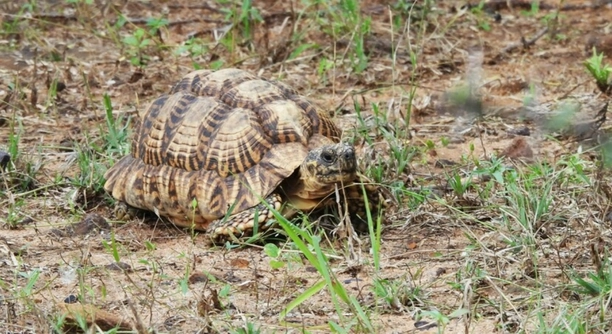
If your star tortoise suddenly stops moving, it can be concerning. Understanding the possible causes and knowing how to address the issue can help ensure your tortoise’s health and well-being. Here’s what you can do.
A lack of movement in a star tortoise can stem from various factors, including temperature fluctuations, dehydration, or illness. It’s important to assess its habitat, diet, and behavior for signs of distress. Early intervention can prevent further health complications.
By identifying the cause, you can take the necessary steps to improve its condition and get your tortoise back to its active self.
Temperature Issues and Its Impact on Activity
A star tortoise’s environment plays a major role in its behavior. If the temperature in the habitat is too low, your tortoise might become sluggish or stop moving altogether. These reptiles need a warm environment to thrive. The ideal temperature range for your star tortoise is between 80°F and 90°F during the day, with a slight drop at night. If the tank is too cold, it can cause stress, making the tortoise inactive.
The basking area should be significantly warmer, as this helps regulate its body temperature. Ensure there’s a heat source like a heat lamp to provide the necessary warmth. If your tortoise seems lethargic, check if the room temperature is too low and adjust accordingly.
Another thing to consider is the humidity levels. Dry air can cause dehydration, leading to a lack of movement. Maintain the right humidity levels for your tortoise’s comfort and health, and adjust the temperature as needed.
Dehydration
Dehydration can lead to inactivity in your star tortoise. These reptiles need access to fresh water at all times. If your tortoise isn’t drinking enough, it can affect its overall health and energy levels. Dehydration often causes lethargy, which might result in your tortoise stopping movement for long periods.
If you notice that your tortoise is not drinking water, it might be due to the placement of the water dish or a lack of hydration in the environment. Ensure that the water dish is shallow and accessible. Some tortoises prefer soaking in a shallow bath for hydration. Providing a daily soak in lukewarm water can help with hydration and keep your tortoise active.
If dehydration is not addressed, it could lead to more serious health issues. Keep an eye on your tortoise’s water intake and adjust its environment to encourage hydration.
Illness and Health Concerns
Sometimes, the cause of a star tortoise’s inactivity might be related to underlying health problems. Respiratory infections, shell issues, or digestive problems can all contribute to your tortoise’s lack of movement. If the inactivity lasts for more than a day or is accompanied by other symptoms like lethargy, nasal discharge, or abnormal shell growth, it’s important to consult a vet immediately.
Your tortoise’s diet also plays a role in maintaining its health. Poor nutrition can weaken its immune system and lead to sluggishness. Ensure your tortoise is eating a balanced diet, including leafy greens, vegetables, and occasional fruits. Supplement its diet with calcium and vitamins to support bone health and overall well-being. Regular check-ups with a reptile vet are a good preventive measure to catch any health concerns early.
By addressing health issues promptly, you can help your tortoise regain its activity and ensure it remains healthy in the long run.
Stress and Its Effects on Movement
Stress can cause your star tortoise to stop moving. Changes in the environment, such as loud noises, new pets, or handling, can trigger stress. Stress weakens your tortoise’s immune system, making it more prone to inactivity.
The key to reducing stress in your tortoise is to maintain a calm and stable environment. Keep the habitat quiet and away from disturbances. Avoid frequent handling, as this can be stressful for your tortoise, especially if it’s not used to being handled. Creating a peaceful space for your tortoise to feel secure can encourage movement.
If your tortoise seems stressed, observe its behavior closely. Signs of stress include hiding, rapid breathing, or shell retracting. Reducing stress levels can significantly help restore its natural activity and improve its health.
Inadequate Diet
An inadequate diet can lead to sluggishness in a star tortoise. These reptiles need a balanced diet rich in fiber, vitamins, and minerals. Without the proper nutrition, they may become lethargic.
A diet that lacks essential nutrients, especially calcium, can affect your tortoise’s mobility. You should include leafy greens like dandelion greens, collard greens, and mustard greens. Occasionally, you can provide fruits like strawberries or melons as treats. A lack of variety or imbalance in their diet can lead to deficiencies and, in turn, a lack of energy. If your tortoise isn’t eating or seems uninterested in food, this could be a sign of dietary issues.
To maintain a healthy and active tortoise, adjust its diet to ensure it’s getting all the nutrients it needs. Make sure to provide fresh, high-quality food regularly and avoid processed or unsuitable foods.
Improper Lighting
Inadequate lighting can cause your star tortoise to stop moving. These reptiles rely on UVB light to produce vitamin D3, which is essential for calcium absorption. Without proper lighting, your tortoise may become sluggish or inactive.
Ensure that your tortoise’s habitat has both UVA and UVB lights. The UVB light should be on for about 12 hours each day, mimicking the natural sunlight cycle. Without it, your tortoise may not metabolize calcium properly, leading to lethargy and health issues.
Regularly replace your UVB bulbs as they lose effectiveness over time, even if they still emit visible light. Keeping a proper lighting schedule will help your tortoise stay active and healthy.
Lack of Space
A cramped habitat can contribute to inactivity in your star tortoise. Tortoises are naturally curious creatures and need space to roam. If your enclosure is too small, your tortoise may stop moving around, feeling stressed and confined.
Provide an enclosure that allows for plenty of movement. The larger the space, the more likely your tortoise will be active and explore. Make sure the enclosure includes hiding spots, basking areas, and opportunities to forage. A comfortable, spacious environment encourages healthy behavior, helping your tortoise feel at ease.
Overcrowding
Overcrowding in a star tortoise’s enclosure can also cause inactivity. When too many tortoises are housed in one space, they may become stressed, and their movement may decrease. It is essential to ensure that each tortoise has enough room to move around without competition for space.
Overcrowding can also lead to aggressive behavior and hinder your tortoise from finding food and basking spots. If you’re keeping multiple tortoises, be sure to provide a larger space or separate enclosures to give each tortoise a sense of security. This will allow your tortoise to move freely and stay active.
FAQ
Why is my star tortoise not moving?
There could be several reasons your star tortoise is not moving. It could be due to environmental issues like temperature fluctuations, dehydration, or improper lighting. Stress, an inadequate diet, or health problems can also cause lethargy. If the inactivity persists, it’s essential to evaluate the habitat and care routine, making sure your tortoise’s needs are being met. In some cases, a visit to the vet might be necessary to rule out any underlying health conditions.
How can I tell if my star tortoise is stressed?
Stress can manifest in various ways, such as your tortoise hiding more than usual, retracting into its shell frequently, or having shallow, rapid breathing. It may also show signs of aggression or restlessness. A stressed tortoise will often stop eating and avoid interaction. Environmental factors, such as noise or too much handling, can cause this behavior. Reducing disturbances and providing a calm space can help relieve stress and encourage normal activity.
Can dehydration cause my star tortoise to stop moving?
Yes, dehydration is a common cause of lethargy in tortoises. When your star tortoise doesn’t drink enough water or lacks sufficient humidity in its environment, it can become dehydrated, leading to reduced movement and energy levels. It’s essential to offer fresh water daily and ensure that the habitat has proper humidity levels. Soaking your tortoise in shallow, lukewarm water can also help improve hydration.
How do I keep my star tortoise’s environment the right temperature?
Star tortoises require a warm environment to stay active. The temperature should be between 80°F and 90°F during the day, with a drop to around 70°F at night. The basking area should be about 95°F. You can achieve this by using heat lamps and thermostats to monitor the temperature. If the temperature drops too low, your tortoise will become inactive. Regularly check the temperature with a reliable thermometer and adjust accordingly to maintain the ideal range.
What should I feed my star tortoise?
A proper diet is crucial for your star tortoise’s health and activity levels. They primarily eat leafy greens, such as dandelion greens, collard greens, and mustard greens. Occasional fruits like melons, strawberries, and apples can be given as treats. Make sure to avoid high-oxalate foods, such as spinach, which can interfere with calcium absorption. Adding a calcium supplement is also important to prevent deficiencies. Proper nutrition will help maintain its energy and movement.
Is it normal for a star tortoise to be inactive sometimes?
Yes, it’s normal for a star tortoise to be inactive for short periods, especially during colder weather or when it’s adjusting to a new environment. However, if the inactivity lasts for extended periods or is accompanied by other symptoms like poor eating habits or abnormal behavior, it could signal an underlying issue. It’s important to monitor your tortoise closely and make adjustments to its environment or diet as needed. If there is no improvement, seeking veterinary advice is recommended.
Can I let my star tortoise roam freely in my house?
While it’s tempting to let your star tortoise roam around, it’s best to keep them in a secure, controlled environment. Allowing them to roam freely could lead to accidents or exposure to harmful substances, like chemicals or electrical cords. If you want to give them some time outside their enclosure, make sure the area is safe and free from potential hazards. A safe, enclosed space or supervised time outside the enclosure is ideal for ensuring they stay protected.
How do I know if my star tortoise is getting enough UVB light?
UVB light is essential for your star tortoise to metabolize calcium and stay healthy. You’ll need to provide a UVB light source in their enclosure. Make sure the bulb is strong enough to cover the entire habitat and replace it every six months, even if it still emits light. Your tortoise should have access to UVB for about 10-12 hours a day. If your tortoise seems lethargic, it might be a sign that it’s not getting enough UVB, and adjustments should be made.
What should I do if my star tortoise is not eating?
If your star tortoise refuses to eat, it could be due to several factors such as stress, illness, or improper environmental conditions. Make sure the temperature, humidity, and lighting in the enclosure are optimal. If there are any signs of health issues like runny eyes, nasal discharge, or abnormal behavior, it’s best to consult a vet. In some cases, offering different types of greens or adding a small amount of fruit can encourage eating.
How can I help my star tortoise get more exercise?
A spacious and enriched environment encourages your star tortoise to move around more. A larger enclosure with different areas for basking, hiding, and foraging will stimulate your tortoise to explore and exercise. Providing variety in its diet and hiding spots also encourages natural behavior. If you’re letting your tortoise roam outside its enclosure, make sure the area is safe and large enough for your tortoise to move freely. This will help promote activity and maintain its overall health.
Final Thoughts
A star tortoise that stops moving can be a cause for concern, but understanding the underlying reasons is the first step in finding a solution. It’s important to regularly check the environmental conditions, such as temperature, humidity, and lighting. These factors play a significant role in your tortoise’s activity level. If these conditions are not right, it can cause lethargy, which may be mistaken for a health issue. The key to getting your tortoise moving again is ensuring it has the right care and environment. Addressing any deficiencies or stresses promptly will often lead to improvements in their behavior and activity.
Diet is another critical aspect of your tortoise’s well-being. A balanced, varied diet with the proper nutrients is necessary for maintaining energy levels. Without the right food, your star tortoise may not have the energy to move around as usual. This can be especially true for young tortoises that are still growing or older tortoises that may need extra calcium or vitamins. By offering a variety of leafy greens and occasional fruits, you will support its overall health. If your tortoise is not eating, it’s important to look for other signs of illness and seek advice from a vet if needed.
If your star tortoise is still not moving after addressing environmental and dietary factors, it’s time to consult a vet. Sometimes, a more serious health issue, such as an infection, parasites, or metabolic bone disease, can cause lethargy. A professional will be able to conduct a thorough examination and recommend the necessary treatment. Always trust your instincts and seek help if you notice persistent changes in your tortoise’s behavior. Keeping an eye on your star tortoise and maintaining the proper care routines will ensure it stays happy, healthy, and active.

Hello,
If you enjoy the content that we create, please consider saying a "Thank You!" by leaving a tip.
Every little bit helps us continue crafting quality advice that supports the health, happiness, and well-being of pets around the world, for pets of all shapes, sizes, and species.
We really appreciate the kindness and support that you show us!