
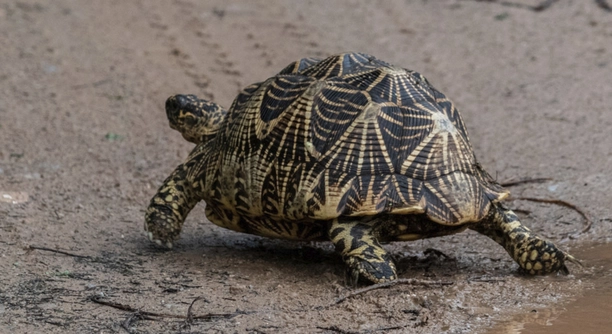
A star tortoise’s health can be easily impacted by dehydration, a common yet often overlooked concern. Recognizing the warning signs early is key to ensuring they stay healthy and happy. It is important to act quickly when dehydration is suspected.
Dehydration in star tortoises can be identified through key signs such as sunken eyes, dry skin, lethargy, and a lack of appetite. These symptoms indicate that your tortoise is in need of immediate hydration to prevent further health issues.
Knowing these signs can help you provide the proper care and hydration your star tortoise needs to thrive.
How Dehydration Affects Your Star Tortoise
Dehydration in star tortoises can lead to a variety of health problems, affecting their overall well-being. When they are not properly hydrated, their organs and systems may not function as they should. Without enough water, their digestive system can slow down, causing constipation or even impaction. Dehydration also affects their ability to absorb nutrients effectively, leading to malnutrition. A dehydrated tortoise may appear lethargic, avoiding movement or food. Their skin can become dry and flaky, and they may show signs of discomfort. If dehydration is left unchecked, it can lead to more serious health issues such as kidney failure, making it vital to keep an eye on hydration levels and act quickly if dehydration is suspected.
Dehydration doesn’t just make your tortoise feel unwell; it can also impact their long-term health.
Proper hydration is crucial to their immune system function, and without it, they become more vulnerable to infections and diseases. Regular access to fresh water and a diet with hydrating foods can help prevent dehydration. Additionally, ensuring their habitat has the right humidity levels will help maintain healthy hydration. For example, providing a shallow dish of water that is easy to access will encourage drinking. Misting their environment occasionally also helps increase humidity and moisture in their skin.
Signs Your Star Tortoise is Dehydrated
Recognizing dehydration early is essential for your star tortoise’s health.
A tortoise may show visible signs such as sunken eyes and dry, wrinkled skin. These symptoms indicate the body is lacking moisture. If you notice that your tortoise is avoiding food or remains inactive for extended periods, dehydration might be the cause. Make sure to observe their behavior closely and monitor any changes.
How to Hydrate Your Star Tortoise
To properly hydrate your star tortoise, offer fresh water daily. Place the water in a shallow dish that is easy for them to access. Tortoises will often drink when they need it, so having water available at all times is essential for maintaining their hydration levels.
In addition to fresh water, soaking your tortoise in lukewarm water for about 15-20 minutes can help rehydrate them. This is especially useful if your tortoise is showing signs of dehydration. Gently place your tortoise in a shallow container with warm water, ensuring that it can safely climb in and out. Regular soaking can keep your tortoise hydrated and help with digestive health.
A diet high in moisture-rich foods, such as leafy greens, can also support hydration. Foods like cucumber, watermelon, and other water-rich vegetables can be beneficial. These foods not only provide hydration but also offer essential nutrients to your star tortoise, keeping them healthy overall.
The Role of Environment in Hydration
A humid environment is crucial for keeping your star tortoise hydrated.
In dry environments, star tortoises can easily become dehydrated. Ensure their enclosure has a humidity level of about 50% to 70%. This helps retain moisture in their skin and reduces the risk of dehydration. Regular misting of their habitat can help maintain this level of humidity. Ensure that the water does not pool, as this can cause health issues.
Another important factor is providing shade. Tortoises, especially those in hot climates, need access to shaded areas where they can cool down. Excessive heat can increase the risk of dehydration, as it can lead to rapid water loss from their bodies. Providing a shaded retreat within their enclosure helps them regulate their body temperature and prevents overheating.
How to Prevent Dehydration in Star Tortoises
Prevention is key to ensuring your star tortoise stays hydrated. Offering fresh water daily is essential for maintaining hydration. Change the water regularly to keep it clean, and ensure it’s shallow enough for them to access without difficulty. This simple step can make a big difference in their health.
A balanced diet also helps prevent dehydration. Incorporate water-rich foods like leafy greens, cucumbers, and bell peppers into their meals. These foods help provide both hydration and nutrients. Avoid foods that are too dry, as they may not contribute to their hydration needs.
When to Seek Veterinary Care
If dehydration signs persist despite your efforts to rehydrate, seek veterinary care immediately. Severe dehydration can lead to organ failure and other health issues. A veterinarian can assess the severity and recommend treatments, such as fluid therapy, to help restore hydration levels. Early intervention is crucial to avoid long-term damage.
The Impact of Heat on Hydration
Excessive heat can significantly affect your tortoise’s hydration.
High temperatures can cause dehydration faster than usual, especially if the tortoise cannot access cooler, shaded areas. Always monitor their temperature and humidity levels to prevent overheating. Providing a safe, cool environment helps ensure your star tortoise remains healthy.
FAQ
How often should I soak my star tortoise?
Soaking your star tortoise once or twice a week is usually sufficient to maintain hydration. However, if you notice signs of dehydration, such as sunken eyes or dry skin, you may need to soak them more frequently. Ensure the water is lukewarm and that the tortoise can easily get in and out of the water. Avoid leaving them in the water for too long to prevent stress or injury. Always observe them during soaking to ensure they are comfortable.
Can star tortoises drink water from a dish?
Yes, star tortoises can drink water from a dish. Place the dish in their enclosure, making sure it is shallow enough for them to easily access. Change the water daily to keep it clean and fresh. While they may not drink large amounts at once, having constant access to fresh water is important for their hydration. It’s best to avoid using deep containers, as tortoises may not be able to climb in and out safely.
What is the best diet for a hydrated star tortoise?
A diet that includes moisture-rich foods is ideal for keeping your star tortoise hydrated. Offer leafy greens like kale, dandelion greens, and collard greens, as well as vegetables like cucumbers and zucchini. Fruits such as watermelon and strawberries are good options too, but should be offered in moderation due to their high sugar content. Avoid feeding dry foods like hay or pellets exclusively, as they don’t contribute much to hydration. A varied diet will help keep your tortoise hydrated and healthy.
What should I do if my star tortoise refuses to drink water?
If your star tortoise refuses to drink water, try soaking it in lukewarm water for about 15 minutes. This can encourage them to drink. Additionally, ensure the water dish is in an accessible location, and try placing the tortoise near it to encourage drinking. Sometimes, tortoises may avoid drinking due to the water temperature being too cold or hot, so make sure it is at a comfortable temperature. If refusal continues, consider consulting a veterinarian to rule out health issues.
How do I know if my star tortoise is dehydrated?
Signs of dehydration in star tortoises include sunken eyes, dry or wrinkled skin, lethargy, and a lack of appetite. If the tortoise’s skin doesn’t return to normal when gently pinched, it’s another sign of dehydration. You may also notice that they are less active than usual or show a lack of interest in food. If any of these symptoms appear, it is important to act quickly to hydrate the tortoise and consider seeking veterinary care if necessary.
Can temperature affect my star tortoise’s hydration?
Yes, temperature plays a significant role in your star tortoise’s hydration. If the environment is too hot or too dry, dehydration can occur more quickly. It’s important to maintain the enclosure at a proper temperature, with a cool, shaded area and areas where they can bask. Ensure that the humidity is also at the right level (50-70%). Overheating can cause your tortoise to lose water rapidly, so proper temperature and humidity control is vital for preventing dehydration.
Should I use a humidifier for my star tortoise?
Using a humidifier can be helpful in maintaining the right humidity levels in your star tortoise’s enclosure. A humidifier can help ensure that the air moisture is kept at an ideal level, which can assist with skin hydration and overall health. However, always monitor humidity levels to avoid excess moisture, which could lead to respiratory issues or fungal growth. A balance is key, and a shallow water dish and occasional misting can also help maintain humidity.
Can I give my star tortoise fruit to help with hydration?
Yes, fruits with high water content, like watermelon and strawberries, can help with hydration. However, these should only be offered as occasional treats due to their high sugar content. Too much fruit can lead to digestive issues or obesity. It’s important to balance fruit with leafy greens and vegetables that provide both hydration and essential nutrients.
What’s the best way to keep my star tortoise hydrated during the winter?
During the winter months, it’s essential to maintain the proper humidity levels and provide fresh water daily. Since star tortoises may be less active in cooler temperatures, they may drink less. Soaking them in lukewarm water once or twice a week can help maintain hydration. Ensure the enclosure is at the right temperature, and provide a shaded area where they can regulate their body temperature. Keep a close eye on their hydration and check for signs of dehydration more often during colder months.
How long can a star tortoise survive without water?
Star tortoises can survive for extended periods without water, but this varies depending on the individual tortoise and environmental conditions. In general, a healthy tortoise can go for a few days to a week without water, but prolonged dehydration can cause serious health issues. It is important not to let your tortoise go without water for too long, as it can lead to kidney failure and other complications. Always ensure that they have constant access to clean water to maintain their health.
What is the best way to monitor my star tortoise’s hydration levels?
Monitoring your star tortoise’s hydration involves observing both physical and behavioral signs. Look for sunken eyes, dry skin, or lethargy, as these are all indicators of dehydration. Also, keep track of their activity levels and appetite. A healthy tortoise should be active, eating regularly, and drinking water. Regular soaking, offering water-rich foods, and ensuring a humid environment are proactive ways to keep hydration in check. If you notice any signs of dehydration, act quickly to correct it and consult a vet if needed.
Final Thoughts
Maintaining proper hydration for your star tortoise is crucial for their overall well-being. Dehydration can lead to serious health issues, including organ failure and a weakened immune system. Ensuring they have access to clean, fresh water and a balanced diet with water-rich foods will go a long way in preventing dehydration. Regular soaking can also be an important part of your care routine, helping to keep them hydrated and comfortable.
It’s essential to understand the signs of dehydration so you can act quickly. If you notice symptoms like sunken eyes, dry skin, or lethargy, it’s important to address the issue immediately. In some cases, dehydration can be corrected with soaking and offering fresh water, but if the problem persists, seeking veterinary care is advised. Monitoring your tortoise’s behavior, hydration levels, and diet regularly will help prevent these issues from becoming more serious.
In addition to hydration, providing a stable environment with proper temperature and humidity levels is vital. Excessive heat or low humidity can quickly cause dehydration in star tortoises. Therefore, ensuring they have access to a cool, shaded area and maintaining humidity levels within the recommended range is crucial for their health. By staying vigilant and following the proper care guidelines, you can help keep your star tortoise healthy, hydrated, and thriving.

Hello,
If you enjoy the content that we create, please consider saying a "Thank You!" by leaving a tip.
Every little bit helps us continue crafting quality advice that supports the health, happiness, and well-being of pets around the world, for pets of all shapes, sizes, and species.
We really appreciate the kindness and support that you show us!