
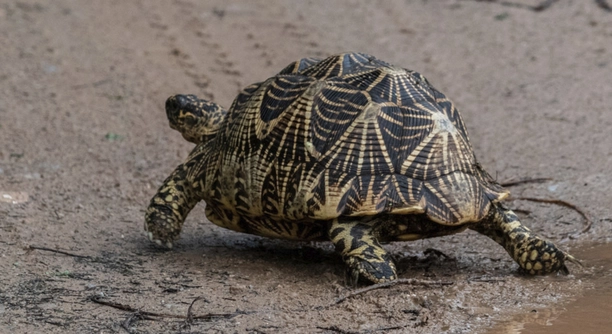
As pet owners, we want to provide the best for our growing star tortoises. Their diet plays a crucial role in ensuring their health and development. Learning about the right foods for them can be both easy and rewarding.
The best foods for a growing star tortoise include a variety of leafy greens, grasses, flowers, and occasional fruits. These foods offer essential nutrients and promote proper growth. Avoid high-protein or high-fat options, as they can cause health issues.
Understanding the right balance in their diet will help you maintain your tortoise’s overall well-being. This article will guide you in choosing the best foods for your growing star tortoise, ensuring it thrives for years.
Leafy Greens: The Foundation of Your Star Tortoise’s Diet
Leafy greens should make up the majority of a star tortoise’s diet. They are full of nutrients that promote healthy growth, strong bones, and overall well-being. Common greens like dandelion leaves, collard greens, and mustard greens are excellent choices. These greens provide important vitamins like A and K, which are vital for a tortoise’s health. Avoid feeding your tortoise spinach or lettuce regularly, as they contain compounds that could interfere with calcium absorption.
It’s important to offer a variety of leafy greens to keep their diet balanced. You can mix up different types of greens to keep them interested and make sure they get all the nutrients they need.
A healthy selection of greens helps to meet your tortoise’s nutritional requirements. It also keeps their digestive system in top condition. Offering fresh, pesticide-free greens daily ensures they get the necessary vitamins and minerals. In the long term, a diet rich in these greens supports their shell growth and energy levels.
Grass: Essential for Digestion and Health
Grasses are another key component of your tortoise’s diet. Fresh, pesticide-free grasses like timothy hay should be included.
Grasses are high in fiber, which supports healthy digestion. They also provide essential minerals, such as calcium, which is vital for shell and bone health. Make sure to offer a variety of grasses to keep your tortoise interested and satisfied.
Flowers: A Tasty and Nutritious Treat
Flowers add variety and nutrients to your star tortoise’s diet. Safe flowers, like hibiscus, dandelions, and clover, offer vitamins and minerals that support growth. Be sure the flowers are pesticide-free before offering them.
Including flowers in their diet provides a natural, delicious treat that complements leafy greens. It also introduces diversity in flavors and textures, which is important for stimulating your tortoise’s appetite. Always remember that flowers should be fed in moderation as part of a well-balanced diet.
Flowers are not just a tasty snack; they also have additional health benefits. Some flowers have antioxidant properties, helping to protect your tortoise from certain diseases. As with all foods, ensure they are safe and fresh to avoid any harmful effects.
Fruits: The Occasional Sweet Treat
Fruits can be a sweet treat for your tortoise but should be offered sparingly. Too much fruit can lead to digestive issues or obesity.
Fruits like strawberries, apples, and pears are a good option, but they should only be given in small portions. It’s important to remember that fruits are high in sugar, which can upset your tortoise’s digestive system if overfed. Always remove seeds or pits that could be harmful. Keep the portions small and avoid feeding them fruit every day.
A little fruit can be a fun addition to your tortoise’s diet and offer extra hydration, especially during warmer weather. Just ensure that it’s fresh and washed properly. Fruits should not replace the more essential leafy greens or grasses that form the base of their diet.
Cactus Pads: A Hydrating Snack
Cactus pads, particularly from the prickly pear cactus, are a great hydrating snack. They provide moisture and some essential nutrients for your tortoise, making them a good addition to their diet. Be sure to remove any thorns before serving them.
Cactus pads are low in calories and high in water content, which helps to keep your tortoise hydrated, especially in hot climates. They also contain fiber, which aids digestion. Though not a staple, cactus pads are a nice occasional treat that offers variety in your tortoise’s diet.
Squash and Pumpkin: Nutritious Veggies
Squash and pumpkin are rich in vitamins, fiber, and moisture, making them a perfect choice for your tortoise. These vegetables are also low in oxalates, which is great for your pet’s health. Always peel and remove seeds before serving.
Both squash and pumpkin can be served raw or cooked. They help support healthy digestion and are particularly good for hydration. They are also high in vitamin A, which is vital for vision and immune function. Just remember to offer them in moderation, as part of a well-balanced diet.
FAQ
What should I feed my star tortoise every day?
The daily diet for your star tortoise should mainly consist of leafy greens like collard greens, dandelion leaves, and mustard greens. You can also include grasses like timothy hay and a small amount of edible flowers. Avoid high-protein foods or fruits in large amounts. Fresh water should always be available.
Can star tortoises eat fruit?
Yes, star tortoises can eat fruit, but only as an occasional treat. Fruits like strawberries, apples, and pears are good options. However, due to their high sugar content, fruits should not be fed daily. Moderation is key to prevent digestive issues.
Is it safe to feed my tortoise lettuce?
Lettuce should be avoided in large amounts, as it has low nutritional value and can cause diarrhea. Iceberg lettuce, in particular, is not suitable due to its high water content and minimal nutrients. Instead, opt for more nutritious greens like dandelion leaves or collard greens.
How often should I feed my star tortoise?
You should feed your star tortoise daily, offering a variety of leafy greens and grasses. Young tortoises may need more frequent meals, while adults can be fed once a day or every other day, depending on their activity level and size.
Can I feed my tortoise vegetables like carrots and broccoli?
Carrots can be fed occasionally, but broccoli should be avoided. While broccoli is not toxic, it contains compounds that may interfere with calcium absorption, which is critical for your tortoise’s shell and bone health. Stick to safer veggies like squash or leafy greens.
Should I give my star tortoise calcium supplements?
Yes, calcium is essential for your tortoise’s shell and bone health. You can provide a calcium supplement in the form of a powder sprinkled on their food once or twice a week. Make sure the supplement contains vitamin D3, which helps with calcium absorption.
Can star tortoises eat flowers?
Yes, star tortoises can eat certain flowers, and they can be a great addition to their diet. Safe flowers include hibiscus, dandelions, and clover. Be sure to avoid flowers that may have been treated with pesticides, as these can be harmful.
What types of grasses can my star tortoise eat?
Your star tortoise can enjoy a variety of grasses, such as timothy hay, meadow grasses, and Bermuda grass. These grasses are high in fiber and support healthy digestion. Make sure the grass is pesticide-free and fresh to avoid any health risks.
Can I feed my star tortoise cactus pads?
Yes, cactus pads, especially from the prickly pear cactus, are safe and beneficial for star tortoises. They provide hydration, fiber, and essential nutrients. Be sure to remove the thorns and serve them in small portions. Cactus pads should be an occasional treat, not a daily meal.
Is it safe to feed my star tortoise spinach?
Spinach should be fed in moderation, if at all. It contains high levels of oxalates, which can interfere with calcium absorption and lead to kidney problems over time. It’s better to choose other leafy greens that are lower in oxalates, such as collard greens or dandelion leaves.
How much water should my star tortoise drink?
Your star tortoise should always have access to fresh water. While they get some hydration from their food, it’s important to provide a shallow dish of water for them to drink and soak in. Ensure the water is changed regularly to keep it clean and safe.
Can my star tortoise eat nuts or seeds?
No, nuts and seeds should be avoided. They are high in fats and proteins that can lead to obesity or kidney problems in star tortoises. Instead, focus on high-fiber, low-fat foods like leafy greens, grasses, and safe vegetables.
How do I know if my star tortoise is getting enough calcium?
If your star tortoise’s shell is soft or deformed, it could indicate a calcium deficiency. Calcium supplements, a proper diet, and adequate UVB lighting are essential for strong shell development. Always check for signs of weakness or poor growth, and adjust their diet accordingly.
Are there any foods I should never feed my star tortoise?
Never feed your star tortoise processed foods, dairy, or any human junk food. Also avoid toxic foods like avocado, rhubarb, and onions. Stick to a natural diet made up of fresh leafy greens, vegetables, grasses, and safe fruits to ensure your tortoise remains healthy.
What is the best way to introduce new foods to my star tortoise?
Introduce new foods gradually. Start by offering small amounts and observe how your tortoise reacts. It may take some time for your tortoise to accept new foods, so be patient and avoid forcing unfamiliar items on them.
How do I prevent my star tortoise from becoming overweight?
To prevent obesity, provide a diet high in fiber and low in fats. Avoid feeding excessive amounts of fruits and treat foods. Also, make sure your tortoise gets regular exercise by allowing them to roam in a safe, spacious area. Proper portion control is essential for maintaining a healthy weight.
Final Thoughts
Taking care of a growing star tortoise means providing a balanced diet full of essential nutrients. Their diet should be mainly made up of leafy greens and grasses, which supply the fiber and vitamins they need for healthy growth. Flowers and occasional fruits can be a great treat to add variety, but they should be offered in moderation. A proper diet helps ensure that your tortoise grows strong and stays healthy throughout its life.
It’s also important to pay attention to the foods you avoid. Foods that are high in protein or fat, like meat or dairy, should be left out of their diet. Certain vegetables, such as spinach, can cause issues due to high oxalates. Additionally, some fruits should only be fed sparingly because of their sugar content. Ensuring your tortoise has a diet with the right balance of nutrients will prevent health problems and keep your tortoise active and happy.
Lastly, always remember that diet is just one part of a star tortoise’s care. Along with a nutritious diet, they need access to fresh water, proper lighting for vitamin D3 synthesis, and space to roam. Make sure to offer them a safe environment where they can get plenty of natural light and exercise. When their diet and habitat are well taken care of, your star tortoise will live a long, healthy life.

Hello,
If you enjoy the content that we create, please consider saying a "Thank You!" by leaving a tip.
Every little bit helps us continue crafting quality advice that supports the health, happiness, and well-being of pets around the world, for pets of all shapes, sizes, and species.
We really appreciate the kindness and support that you show us!