
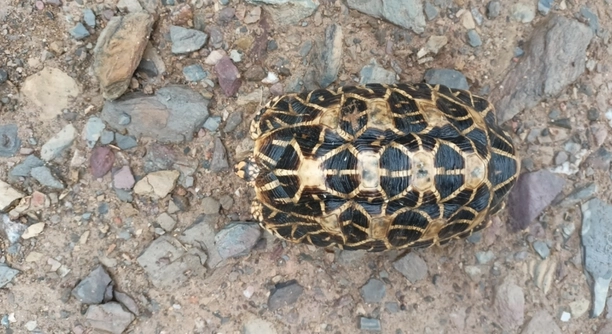
If your star tortoise suddenly refuses to eat greens, it can be concerning. Tortoises depend on fresh greens for their health, and any changes in their eating habits should be addressed. Let’s take a closer look at the reasons behind this behavior.
A star tortoise refusing greens could indicate stress, illness, or changes in its environment. Factors such as temperature fluctuations, poor water quality, or lack of variety in its diet might contribute to its loss of appetite.
With the right approach, you can help your star tortoise get back on track and enjoy healthy meals again. Let’s explore some solutions that may help your pet return to its usual eating habits.
Temperature Issues Can Affect Appetite
Temperature plays a crucial role in your star tortoise’s health. If the environment is too hot or too cold, your tortoise may refuse food. These reptiles are cold-blooded and rely on external heat sources to regulate their body temperature. If the temperature is not within the recommended range, they may become lethargic and stop eating.
A consistent temperature between 75°F to 85°F during the day is ideal. If it’s too cold, your tortoise won’t have the energy to feed. If it’s too hot, they may become stressed. Make sure the temperature in their enclosure is regulated properly, using heating lamps and a thermometer.
Providing a stable environment will help your star tortoise feel comfortable and more willing to eat. Always monitor the temperature regularly, adjusting as needed. A balanced thermal environment is essential for encouraging normal eating habits and overall health.
Stress Can Lead to Loss of Appetite
Stress can disrupt a tortoise’s eating routine.
Common stress factors include loud noises, sudden changes in its environment, or handling too often. Moving the tortoise to a quieter, more peaceful area could help reduce stress and restore its appetite.
Lack of Variety in Diet
If your star tortoise refuses greens, it could be because it’s getting bored with the same food. A varied diet helps keep them interested and healthy. If they only eat one type of green, they might lose interest over time.
Try offering a mix of leafy greens, such as kale, collard greens, dandelion leaves, and mustard greens. You can also add a small amount of fruit or edible flowers like hibiscus. Rotating the types of greens offered will keep the diet interesting and provide different nutrients. Just make sure to avoid overfeeding fruits as they contain high sugar levels.
When feeding your tortoise, try to introduce a variety of textures and colors. This keeps their meals appealing and gives them a well-rounded nutrient profile. Regularly changing the selection of food will ensure your star tortoise continues to enjoy eating greens.
Illness Can Be a Factor
If your star tortoise isn’t eating, illness may be the underlying reason.
Common health issues in tortoises, like respiratory infections or digestive problems, can cause a lack of appetite. If your tortoise shows other signs of illness, like nasal discharge, lethargy, or abnormal shell growth, it’s essential to consult a vet. Illness should be addressed as soon as possible to prevent further complications.
Sometimes, minor digestive issues, such as constipation or parasites, can cause a tortoise to stop eating. In these cases, the problem might resolve once the underlying cause is treated. Regular vet check-ups will ensure your star tortoise stays healthy and on track with its eating habits.
Dehydration Can Cause Loss of Appetite
Dehydration can make your star tortoise feel sluggish and disinterested in food. It’s essential to provide enough water, both in their enclosure and in their diet.
Ensure your tortoise has access to fresh water every day. You can also soak your tortoise in lukewarm water for 15-20 minutes a couple of times a week to help with hydration. This will also encourage them to drink more water and stay hydrated.
Hydration is critical for digestion and general well-being. Without enough fluids, your star tortoise might become constipated or unwilling to eat.
Overfeeding Can Lead to Loss of Appetite
Overfeeding your tortoise can cause them to lose interest in food.
If your tortoise is being given too much food or treats, it may stop eating greens. When they’re full, they won’t feel the need to eat as much. Be mindful of portion sizes and make sure their diet is balanced.
Tortoises should be fed in controlled portions, with greens being the main focus. A healthy feeding schedule ensures that your tortoise remains hungry and motivated to eat their greens.
FAQ
Why is my star tortoise not eating greens?
A star tortoise may stop eating greens due to several reasons, including stress, illness, dehydration, or changes in their environment. If the temperature in their enclosure is not right, they might not feel comfortable enough to eat. Additionally, if the greens offered are not fresh or varied enough, they may lose interest.
How can I tell if my star tortoise is sick?
Signs of illness in a star tortoise include lethargy, nasal discharge, labored breathing, and a lack of appetite. They might also have abnormal shell growth, swelling, or difficulty moving. If you notice any of these symptoms, it’s best to consult a vet as soon as possible.
Can stress cause my star tortoise to stop eating?
Yes, stress can have a significant impact on a star tortoise’s eating habits. Stressors such as loud noises, sudden changes in their environment, or frequent handling can lead to a loss of appetite. Creating a calm and consistent environment can help your tortoise feel safe and encourage them to eat.
How do I get my star tortoise to eat more greens?
To get your tortoise to eat more greens, you can try offering a variety of fresh, leafy vegetables like collard greens, kale, and dandelion leaves. You can also try introducing edible flowers or small amounts of fruit. If they’re still not eating, consider adjusting the temperature in their enclosure to make them more comfortable.
Is it normal for a star tortoise to eat less during winter?
Yes, it is normal for star tortoises to eat less during the colder months. As cold-blooded animals, they slow down their metabolism when temperatures drop. If your tortoise is eating less but still appears healthy and active, it’s likely a seasonal change. Just make sure their environment stays warm enough for them to stay active.
How much water does my star tortoise need?
Star tortoises need access to fresh water daily. In addition to drinking water, you can soak your tortoise in lukewarm water for 15 to 20 minutes a couple of times a week. This will help with hydration and digestion, encouraging them to eat and remain healthy.
Can I feed my star tortoise fruit instead of greens?
While fruit can be offered to your star tortoise occasionally, it should not replace their greens. Fruit contains higher sugar levels and should only be given as a treat. Greens should make up the majority of their diet, as they provide essential nutrients and fiber for proper digestion.
What should I do if my star tortoise is not eating at all?
If your star tortoise stops eating entirely, it’s important to check for signs of illness or stress. Check the temperature of their enclosure, ensure they have access to fresh water, and try offering a variety of foods. If the problem persists for more than a few days, consult a vet to rule out any health issues.
How do I prevent my star tortoise from becoming overweight?
To prevent your star tortoise from becoming overweight, avoid overfeeding them and provide a balanced diet. Stick to recommended portion sizes and feed them a variety of leafy greens. Regularly monitor their weight and adjust food portions if needed. Ensure they also have a spacious enclosure to encourage movement and exercise.
How do I know if my star tortoise is hydrated?
Signs of dehydration in a star tortoise include lethargy, dry skin, and sunken eyes. You can also check if their urine is thick or if they are not passing waste as frequently. To prevent dehydration, ensure your tortoise has access to fresh water and provide regular soaks.
Can I feed my star tortoise dried greens?
While dried greens are not ideal, they can be used as an occasional supplement to fresh greens. However, they lack the moisture and nutrients that fresh vegetables provide. If you need to feed dried greens, make sure they’re properly hydrated before offering them to your tortoise.
Is it okay to feed my star tortoise lettuce?
Lettuce can be offered in small amounts, but it should not be the main part of their diet. Lettuce has low nutritional value and can cause digestive issues if given too much. Stick to more nutrient-dense greens like collard greens, kale, and dandelion leaves for a balanced diet.
How often should I feed my star tortoise?
A star tortoise should be fed every other day, offering enough food to satisfy their appetite. The amount of food can vary depending on the size and age of the tortoise. Offer a variety of fresh greens and make sure to remove any uneaten food from the enclosure to prevent spoilage.
What kind of greens should I feed my star tortoise?
Good options for a star tortoise include dandelion greens, collard greens, kale, and mustard greens. These greens provide essential vitamins and minerals, as well as fiber for digestion. Avoid iceberg lettuce, as it has little nutritional value and can cause digestive upset.
Final Thoughts
Understanding why your star tortoise may stop eating greens is crucial for keeping them healthy. There are several factors that could be affecting their appetite, from environmental issues like temperature and humidity to stress or illness. By making sure their enclosure is the right temperature, offering a variety of fresh foods, and avoiding overfeeding, you can often resolve the problem and encourage your tortoise to eat. Always keep an eye on their behavior and health, as changes in eating habits can sometimes be a sign of something more serious.
Taking a proactive approach is important when it comes to your tortoise’s health. Ensuring that their diet is well-rounded and providing them with access to clean water can help avoid many common issues. Be patient, as it may take time for your tortoise to adjust to changes in their environment or diet. Soaking your tortoise occasionally and making sure they feel safe and calm will also encourage eating. Small adjustments can make a big difference in their overall well-being.
If you notice that your star tortoise is still not eating after addressing these factors, it’s always a good idea to consult with a veterinarian. Sometimes, underlying health issues like respiratory infections or digestive problems may be the reason behind their lack of appetite. With the right care, your tortoise should return to eating well and thriving. Regular check-ups and maintaining a stable environment are key to keeping your star tortoise healthy and happy in the long run.

Hello,
If you enjoy the content that we create, please consider saying a "Thank You!" by leaving a tip.
Every little bit helps us continue crafting quality advice that supports the health, happiness, and well-being of pets around the world, for pets of all shapes, sizes, and species.
We really appreciate the kindness and support that you show us!