
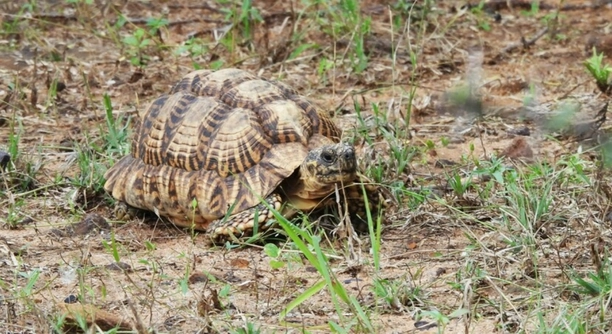
Taking care of a Star Tortoise is rewarding, but sometimes it can be difficult to tell if they are feeling unwell. Knowing the signs of sickness is essential to ensuring their health and comfort.
To determine if your Star Tortoise is sick, observe for changes in behavior, appetite, or physical appearance. Common signs include lack of appetite, lethargy, unusual shell conditions, or breathing difficulties. Prompt attention is key to proper care.
These warning signs are important in identifying when something is wrong. Understanding them helps prevent serious health issues and ensures your tortoise stays happy and well.
Changes in Appetite
One of the most obvious signs that your Star Tortoise may not be feeling well is a change in appetite. If your tortoise is refusing food or eating significantly less than usual, it could be a warning sign of illness. Star Tortoises, like most reptiles, have a relatively steady diet of leafy greens, vegetables, and occasional fruits. Any noticeable decrease in appetite should be taken seriously. Sometimes, they may even stop drinking water, which can lead to dehydration and further health issues.
If your tortoise has stopped eating completely, there could be several reasons. Stress, an unhealthy diet, or a parasitic infection might cause this behavior. However, it’s important to remember that a lack of food or water for more than a few days can weaken your tortoise’s immune system, making it harder for them to recover. If your tortoise is not eating and seems sluggish, it’s time to take action. It’s important to check the temperature and humidity levels in their enclosure, as improper conditions can impact their appetite.
In some cases, a sudden drop in appetite could also be linked to respiratory infections or shell issues. If this happens, seek advice from a vet familiar with reptiles. Consistent changes in eating habits can be an early indicator of health problems.
Changes in Behavior
Behavior changes are often one of the first signs that something is wrong with your tortoise. They might become more lethargic or withdrawn, hiding more than usual. A healthy Star Tortoise is usually active, especially when they are in their preferred temperature range. When they suddenly start to show little interest in their surroundings or move very slowly, it could mean they are feeling unwell.
Behavioral changes, like avoiding movement or not coming out of their shell as frequently, can be a response to environmental stressors, such as improper temperature or lighting. It can also indicate a deeper health issue. If your tortoise is acting unusually passive, consider adjusting their habitat and watching for other symptoms that may confirm an illness.
Unusual Shell Conditions
If your Star Tortoise’s shell shows any unusual signs, it could indicate a health problem. Look for signs like soft spots, cracks, or discoloration. A healthy shell should be hard, smooth, and without damage. Changes in shell condition are often linked to improper diet or a lack of calcium.
One of the most common shell problems is shell rot, which causes soft, mushy spots. This can be caused by excess moisture, poor hygiene in the tortoise’s habitat, or a bacterial infection. Shell rot can quickly worsen and lead to serious infections if left untreated. Additionally, improper calcium levels can weaken the shell over time, making it more prone to injury and deformities.
Regularly inspect your tortoise’s shell to ensure it’s free from injuries or abnormal textures. If you notice any damage or soft spots, take your tortoise to the vet for proper treatment. Maintaining a clean and dry environment is key to preventing shell-related issues.
Respiratory Issues
A common sign that your Star Tortoise is ill is difficulty breathing. If you notice wheezing, open-mouth breathing, or excessive nasal discharge, it could be a respiratory infection. Respiratory issues are a serious concern and need to be addressed quickly.
Infections can result from poor enclosure conditions, such as low temperatures or improper humidity levels. Star Tortoises thrive in warm, humid environments, and changes in these factors can weaken their immune system. Additionally, poor diet and stress can further exacerbate breathing problems. Keep an eye on their breathing patterns and make sure their habitat conditions are ideal.
If you see symptoms of respiratory distress, it’s important to get your tortoise to a reptile vet. They can treat infections with antibiotics or other medications. Early intervention can prevent further complications.
Dehydration
Dehydration is a serious concern for Star Tortoises. If your tortoise isn’t drinking water or eating enough water-rich foods, it could become dehydrated. Signs include a sunken appearance around the eyes or lethargy. Always ensure fresh water is available.
Tortoises that are dehydrated may also develop more severe health issues, including digestive problems and weakened immunity. A good way to encourage hydration is by soaking your tortoise in lukewarm water for 10 to 15 minutes a few times a week. This helps them absorb water through their skin.
If dehydration persists despite your efforts, a vet visit is essential to prevent further complications.
Abnormal Stool
Watching your tortoise’s stool is a useful way to monitor its health. Abnormal stool, such as diarrhea or hard, dry feces, can indicate dietary imbalances or health issues. A healthy Star Tortoise’s stool should be moist and well-formed.
If your tortoise has diarrhea, it could be a sign of a bacterial infection or stress. Hard, dry stools may point to dehydration or a lack of fiber in their diet. Check your tortoise’s diet for consistency in food and hydration. Regularly monitor their waste to catch issues early.
Swollen Limbs or Eyes
Swelling in the limbs or eyes is a clear sign something is wrong. Swollen eyes could be caused by an infection, while swollen limbs may result from injury or edema. Both conditions require prompt attention.
Swelling may indicate an infection or internal health issues. In some cases, poor diet or improper care may contribute to this symptom. If you notice these signs, you should immediately adjust their habitat conditions and schedule a vet appointment for a proper diagnosis and treatment.
FAQ
How can I tell if my Star Tortoise is stressed?
Stress in Star Tortoises can be caused by changes in their environment, improper temperatures, or too much handling. Signs of stress include lethargy, hiding more than usual, loss of appetite, and changes in behavior. If your tortoise is not acting like its usual self, check the enclosure conditions. Ensure it has the correct humidity and temperature levels, and avoid moving it around too much.
What should I do if my tortoise has a respiratory infection?
If you notice symptoms such as wheezing, open-mouth breathing, or nasal discharge, your tortoise may have a respiratory infection. The first step is to improve the temperature and humidity in their enclosure. If symptoms persist, a vet visit is necessary for proper diagnosis and treatment. Antibiotics may be needed.
How often should I feed my Star Tortoise?
Star Tortoises should be fed daily, offering a mix of leafy greens, vegetables, and fruits. A well-balanced diet is essential for their overall health. You can feed them once in the morning and remove any uneaten food by evening. Ensure their diet has proper calcium to support shell health.
Is it normal for my tortoise to hibernate?
Hibernation, or brumation, is normal for Star Tortoises, particularly during colder months. However, it is not the same as a complete sleep cycle like some reptiles. They may eat less and become less active, but they should still be monitored for any signs of illness. If brumation lasts longer than expected or seems abnormal, consult a vet.
Why is my tortoise’s shell soft?
A soft shell can be a sign of calcium deficiency or improper diet. Star Tortoises need a diet rich in calcium to keep their shells strong and healthy. If your tortoise’s shell becomes soft, try adding calcium supplements to its food and make sure it has access to natural sunlight or UVB light.
How do I prevent shell rot in my tortoise?
Shell rot is caused by bacteria and can develop in a humid, dirty environment. To prevent shell rot, ensure your tortoise’s habitat is clean and dry. Regularly check for excess moisture or waste that could contribute to infection. You should also provide proper UVB lighting and calcium supplements to help maintain a healthy shell.
What are the signs of an overfed tortoise?
An overfed tortoise may show signs of obesity, such as a rounded shell, lethargy, and difficulty moving around. Overfeeding, particularly with high-fat foods, can lead to obesity and other health issues. If your tortoise is gaining weight too quickly, adjust the amount of food and avoid feeding too many high-calcium or high-fat foods.
Can I handle my Star Tortoise every day?
While it is fine to handle your tortoise occasionally, it should not be done too frequently as it can stress them out. Star Tortoises prefer to stay in their habitats and have limited interaction with humans. Frequent handling can disrupt their natural behavior and cause anxiety. Keep interactions short and gentle.
What are the ideal living conditions for a Star Tortoise?
The ideal living conditions for a Star Tortoise include a spacious enclosure with access to both dry and moist areas. The temperature should range from 75°F to 90°F, with a basking spot reaching 95°F. Ensure UVB lighting is available, and the humidity level should stay between 50% and 70%. A clean, dry environment helps prevent health problems.
Why is my tortoise not moving much?
A lack of movement can indicate stress, illness, or improper environmental conditions. First, check the temperature, humidity, and cleanliness of the habitat. If these factors are appropriate, the lack of movement might be a sign of illness, such as a respiratory infection, dehydration, or shell injury. If behavior doesn’t return to normal, a vet visit is needed.
Can my tortoise live with other pets?
It’s not recommended to house your Star Tortoise with other pets. Star Tortoises are solitary animals, and housing them with other pets, especially aggressive ones like dogs or cats, can cause stress or injury. They also have specific habitat needs that may not be met in a mixed enclosure. It’s best to keep them in their own space.
How long do Star Tortoises live?
Star Tortoises have a long lifespan, typically living between 50 to 100 years in captivity. They require consistent care throughout their lives, with attention to diet, habitat, and health. Their longevity is a testament to their resilience when cared for properly.
What are the signs of a vitamin deficiency in a tortoise?
Vitamin deficiencies can lead to weak bones, poor shell development, and a lack of energy. A tortoise with a vitamin deficiency might show signs like a dull or cracked shell, lethargy, and poor appetite. To prevent this, ensure your tortoise gets a balanced diet, including leafy greens, and UVB lighting to promote healthy vitamin D production.
Can I let my tortoise roam around the house?
While it may seem cute to let your tortoise roam the house, it’s not a safe practice. Tortoises are slow-moving and vulnerable to household hazards like electric cords, chemicals, and falling objects. A controlled, secure environment is better for their health and safety. Instead, create a tortoise-safe play area with proper flooring and supervision.
Should I give my tortoise fruits?
Fruits should be offered occasionally, as they are high in sugar and may cause digestive issues if fed in excess. A balanced diet of leafy greens and vegetables should make up the majority of their meals. If feeding fruits, make sure they’re safe for tortoises, like berries, papaya, or melon, and limit the quantity.
Taking care of a Star Tortoise can be a rewarding experience, but it also requires attention to detail. By regularly checking for warning signs of illness, you can ensure your tortoise stays healthy and happy. Monitoring their diet, behavior, and environment will help you catch any issues early, allowing you to address them before they become serious. Simple things like maintaining proper temperature and humidity levels in their enclosure, ensuring they have access to clean water, and offering a balanced diet can go a long way in preventing common health problems.
It’s also important to remember that each tortoise is unique. While some may be more active and social, others may prefer to remain in their shells and hide for longer periods. Learning to recognize your tortoise’s normal behavior will help you spot any changes that might signal something is wrong. Be patient and give them the space they need to thrive. If you do notice any symptoms of illness, don’t hesitate to reach out to a reptile vet who can provide the proper care and guidance.
In the end, the key to keeping your Star Tortoise healthy is consistency. A proper diet, a clean living environment, and regular observation of their health are all essential. With the right care, your tortoise can live a long and happy life. It’s not always easy, but with attention to detail and a little effort, you’ll help your Star Tortoise thrive in their home. Make sure to always seek professional advice when in doubt, as early intervention can make a significant difference in their recovery.

Hello,
If you enjoy the content that we create, please consider saying a "Thank You!" by leaving a tip.
Every little bit helps us continue crafting quality advice that supports the health, happiness, and well-being of pets around the world, for pets of all shapes, sizes, and species.
We really appreciate the kindness and support that you show us!