
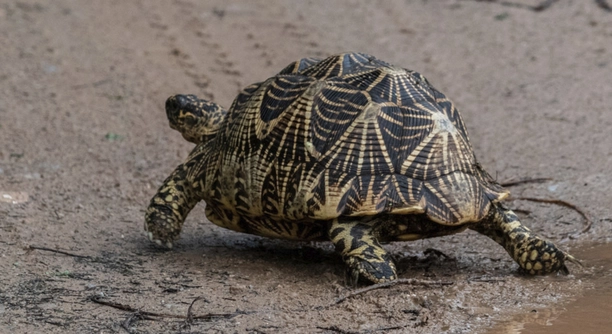
Certain flowers can offer nutritional benefits for star tortoises, while others can be harmful. Knowing which flowers are safe to eat is essential for their well-being and proper diet.
It is important to carefully research flowers before feeding them to star tortoises. Some flowers, such as hibiscus and dandelions, are safe and nutritious. Others, like daffodils and lilies, can be toxic and harmful to their health.
Understanding safe and unsafe flowers is crucial to your tortoise’s diet. Keep reading to learn more about these plants and their impact.
Safe Flowers for Star Tortoises to Eat
Many flowers are beneficial to star tortoises and provide a healthy addition to their diet. Hibiscus, dandelions, and clover are some of the safest and most nutritious options. These flowers offer essential vitamins and minerals that support your tortoise’s overall health, including immune function and bone strength. It’s important to ensure the flowers are free of pesticides and chemicals. If you can, grow these flowers in a safe, pesticide-free environment to guarantee their quality. Safe flowers help promote hydration and provide the necessary fiber for a balanced diet, making them an excellent choice for your pet.
Dandelions, in particular, are rich in calcium and vitamin A, crucial for a star tortoise’s development. These flowers also act as a natural source of fiber, which aids digestion. Hibiscus flowers are another great option, packed with vitamin C and antioxidants. These nutrients are essential for fighting off infections and maintaining a healthy immune system.
Before feeding these flowers, always check for any contaminants. Fresh, organic flowers are the safest choice, ensuring the tortoise receives all the nutrients without any harmful additives.
Unsafe Flowers for Star Tortoises
Not all flowers are safe for star tortoises, and some can be dangerous if consumed. Flowers like lilies, daffodils, and foxglove are toxic and should be avoided. These plants can cause severe health problems such as digestive issues, poisoning, and even organ failure. Always make sure the flowers you offer are safe to consume and pose no threat to your tortoise’s health.
Lilies, for example, are known to be extremely toxic to reptiles. They can cause kidney failure and other serious health issues if ingested. Daffodils contain compounds that can lead to vomiting, diarrhea, and lethargy in tortoises. Foxglove, which contains digitalis, can be deadly to tortoises, leading to heart failure. Always ensure that you know the flower species before allowing your star tortoise to eat them.
By avoiding these toxic flowers, you protect your star tortoise from severe health risks and ensure its long-term well-being. Always consult a guide on safe plants to avoid mistakes that could harm your pet.
Potential Risks of Toxic Flowers
Toxic flowers can cause serious harm to star tortoises, from digestive problems to organ failure. It’s important to identify and avoid these plants to protect your tortoise’s health. Even small amounts can lead to significant issues.
Consuming toxic flowers like lilies or daffodils can lead to symptoms such as vomiting, lethargy, and diarrhea. In severe cases, poisoning can affect the liver and kidneys. Star tortoises are particularly sensitive to plants with alkaloids and glycosides, making them more vulnerable to toxicity. Some toxic plants, like foxglove, can even cause heart problems, which are difficult to treat.
You must always ensure the flowers you give your tortoise are safe and suitable for consumption. If you’re unsure, it’s safer to avoid unfamiliar plants and stick to well-known options like hibiscus or dandelions. Keeping a list of harmful plants on hand can be helpful for quick reference.
Safe Flower-Feeding Tips
When feeding flowers to your star tortoise, ensure they are fresh and pesticide-free. Organic flowers are always the best option for their health. Always wash the flowers before offering them to remove any contaminants.
Feed flowers in moderation to prevent any digestive upset. Too much of even safe flowers can cause gastrointestinal issues. It’s crucial to provide a varied diet, balancing flowers with other greens like grasses and leafy vegetables. Keeping track of the flowers your tortoise enjoys will help you provide a well-rounded diet while avoiding overfeeding any one type.
Identifying Toxic Flowers
Identifying toxic flowers is essential to keep your star tortoise safe. Many common garden plants are harmful. Always check the flower species before offering them to your pet.
Consulting plant identification guides can help you spot dangerous species. Be cautious with flowers from unfamiliar sources or stores. Even some wildflowers can pose risks, so it’s important to do your research.
Benefits of Offering Safe Flowers
Safe flowers are a great addition to your star tortoise’s diet, providing hydration, fiber, and essential vitamins. Flowers like dandelions and hibiscus are packed with nutrients that promote digestion and support overall health. They also make feeding more enjoyable for your tortoise.
Regularly offering safe flowers helps diversify your tortoise’s diet, making it more exciting and nutritious. Flowers add variety to their meals, providing essential antioxidants and vitamins. This helps maintain a healthy immune system and ensures proper growth. Mixing flowers with other vegetables keeps your tortoise’s diet balanced and fresh.
Flower Variety for Star Tortoises
Offer a variety of safe flowers to give your tortoise a well-rounded diet. While dandelions and hibiscus are excellent choices, other flowers like clover and nasturtiums are also safe. Rotating flowers helps prevent monotony in their meals.
It’s important to introduce new flowers gradually to avoid digestive upset. Observe your tortoise’s reaction to each flower and adjust the feeding routine accordingly. Some tortoises may have preferences, so offering a range of safe options ensures they get a balanced diet.
FAQ
Can star tortoises eat roses?
Roses are generally safe for star tortoises, but only the petals should be fed. Avoid feeding the leaves or stems, as they can be difficult to digest. Make sure the roses are free from pesticides and chemicals before offering them to your tortoise. Always remove thorns for safety.
Is it safe to feed star tortoises marigolds?
Marigolds are non-toxic to star tortoises and can be safely included in their diet. These flowers are rich in antioxidants and provide a healthy addition to their meals. Like all flowers, ensure they are grown without pesticides or chemicals before offering them.
What about feeding my star tortoise sunflowers?
Sunflowers are safe for star tortoises, but they should be offered in moderation. The seeds of sunflowers can be high in fat, which may not be ideal for regular feeding. The petals are safe and can be a healthy treat occasionally, but be cautious of the high oil content in the seeds.
Can star tortoises eat daffodils?
No, daffodils are toxic to star tortoises. These flowers contain compounds that can cause severe digestive issues, vomiting, and even organ failure. Avoid feeding your tortoise any part of a daffodil, including petals, leaves, and bulbs.
Are daisies safe for star tortoises?
Yes, daisies are safe for star tortoises. These flowers are often enjoyed by tortoises and are a good source of vitamins and fiber. Like all flowers, they should be free from pesticides and chemicals before feeding them to your pet.
Is it safe to feed star tortoises tulips?
Tulips are toxic to star tortoises and should be avoided. They contain compounds that can cause digestive problems and other health issues. If your tortoise accidentally consumes any part of a tulip, contact a veterinarian immediately for guidance.
Can star tortoises eat hibiscus flowers?
Yes, hibiscus flowers are safe and beneficial for star tortoises. These flowers are rich in vitamin C and antioxidants, which support their immune system. Hibiscus is a healthy addition to their diet but should be given in moderation as part of a varied feeding routine.
Are violets safe for star tortoises?
Violets are safe for star tortoises. They are a great source of nutrition, providing essential vitamins and antioxidants. Both the flowers and leaves are edible, so they make a good choice for your tortoise’s diet. Ensure they are free from any harmful chemicals before offering them.
Can star tortoises eat lavender?
Lavender is not toxic to star tortoises, but it is best given sparingly. While it can be a pleasant addition to their diet, lavender has a strong aroma and flavor that some tortoises may not enjoy. Offer it in moderation to avoid upsetting their digestive system.
Are pansies safe for star tortoises?
Yes, pansies are safe for star tortoises. These flowers are not toxic and can be a colorful and nutritious addition to their diet. They are rich in antioxidants and vitamins, making them a healthy treat for your tortoise.
What flowers should I never feed my star tortoise?
Avoid feeding your star tortoise flowers like lilies, daffodils, foxglove, and oleander. These flowers contain toxic compounds that can cause serious health issues such as poisoning, digestive distress, and even death. Always research flowers before offering them to your tortoise.
Can I feed my star tortoise flowers from my garden?
It’s possible to feed flowers from your garden, but only if you are sure they are safe. Avoid using any flowers that may have been treated with pesticides, herbicides, or other chemicals. Organic flowers from your garden are the safest option. Always double-check the safety of any flower before feeding it to your tortoise.
Is it okay to feed star tortoises wildflowers?
Wildflowers can be a healthy option for star tortoises, but caution is necessary. Not all wildflowers are safe, and some can be toxic. If you collect wildflowers, make sure they are free from pesticides and chemicals. Always identify the flowers correctly before offering them to your tortoise.
How often should I feed my star tortoise flowers?
Flowers should be fed to your star tortoise in moderation, about once or twice a week. They are a great addition to a balanced diet that includes other leafy greens and vegetables. Too many flowers can upset their digestive system, so it’s best to mix them in with other foods.
Are edible flowers different from toxic flowers?
Yes, edible flowers are those that are safe for your tortoise and provide nutritional benefits, while toxic flowers can cause harm. It’s important to differentiate between them by researching each flower species before offering it to your tortoise. Always err on the side of caution and consult guides or experts if you are unsure.
Can star tortoises eat all parts of flowers?
No, not all parts of flowers are safe for star tortoises. Some parts, like stems, leaves, and seeds, may be harmful, while the petals are often safe and beneficial. Always research the specific flower to know which parts are safe to feed your tortoise.
What should I do if my star tortoise eats something toxic?
If your star tortoise eats a toxic flower, contact a veterinarian immediately. Prompt treatment is crucial to avoid serious health issues. Symptoms of poisoning can include vomiting, diarrhea, lethargy, and loss of appetite. The veterinarian will assess the situation and recommend the best course of action.
Can star tortoises eat edible flowers from the store?
Yes, store-bought edible flowers are safe, as long as they are pesticide-free and organic. Always check the packaging to ensure the flowers have not been treated with harmful chemicals. If in doubt, rinse the flowers thoroughly before offering them to your tortoise.
How can I make sure the flowers I feed my tortoise are safe?
To ensure flowers are safe for your star tortoise, research the species and avoid any that are toxic. Purchase flowers from trusted sources and avoid those with pesticides or chemicals. Always wash flowers thoroughly before feeding them. Keeping a list of safe flowers can be helpful for quick reference.
Final Thoughts
When feeding your star tortoise flowers, it’s important to choose only those that are safe and beneficial to their health. Many flowers can provide a good source of nutrients, such as vitamins and antioxidants, which contribute to the overall well-being of your tortoise. However, not all flowers are safe, and some can cause serious harm if consumed. Always research any flower you plan to feed, and make sure it is free of pesticides and chemicals that could be toxic to your tortoise. Offering a variety of safe flowers, in moderation, can help keep your tortoise’s diet balanced and enjoyable.
While flowers can be a healthy treat for your star tortoise, they should not be the main part of their diet. Star tortoises require a balanced intake of leafy greens, vegetables, and other appropriate foods to thrive. Flowers should be seen as an occasional addition rather than a staple in their meals. Overfeeding flowers may lead to digestive problems or imbalances in their diet. It’s best to mix flowers with other nutritious foods to ensure they receive all the necessary nutrients without any risks. Moderation is key when offering flowers as treats.
Finally, it is essential to stay informed about which flowers are safe and which ones are harmful to your star tortoise. While it might be tempting to feed them flowers from your garden or wildflowers you find, always double-check that the flowers are safe for consumption. Some flowers are toxic and can cause severe health problems for your tortoise, so erring on the side of caution is always best. Keeping a list of safe flowers and knowing which to avoid will help you make better decisions when it comes to your tortoise’s diet. A well-informed approach will ensure your pet stays healthy and happy.

Hello,
If you enjoy the content that we create, please consider saying a "Thank You!" by leaving a tip.
Every little bit helps us continue crafting quality advice that supports the health, happiness, and well-being of pets around the world, for pets of all shapes, sizes, and species.
We really appreciate the kindness and support that you show us!