
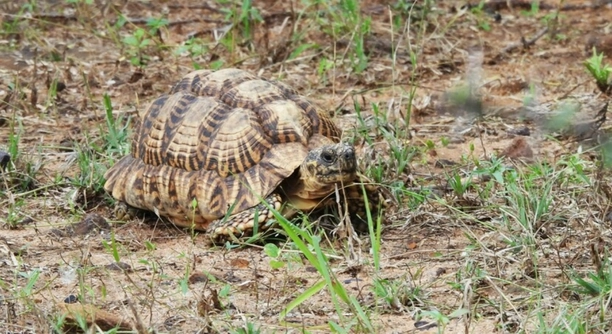
It can be concerning if your star tortoise keeps flipping over. This behavior may indicate something is wrong, and it’s important to figure out the cause to keep your pet safe and comfortable.
The most common reasons your star tortoise may flip over include health issues, an improper enclosure setup, or even stress. Identifying the cause is crucial to providing the appropriate solution and preventing this behavior from happening again.
There are several ways to prevent your star tortoise from flipping over, including adjusting its habitat and offering proper care. Understanding these tips will help you create a safer environment for your beloved pet.
Common Reasons Why Your Star Tortoise Flips Over
One of the most common reasons a star tortoise might flip over is the design of its enclosure. If the habitat isn’t set up correctly, it could cause your tortoise to struggle when trying to move. Uneven surfaces or obstacles can cause imbalance, especially if the enclosure has slippery flooring or sharp edges. In the wild, tortoises are used to navigating natural terrains, which are often rough and offer more traction. Without proper space or ground material, your pet may find it difficult to move around comfortably. Another reason could be its health. If your tortoise is feeling unwell or weak, it might not have the strength to flip itself back over when needed.
An important factor to consider is the temperature. If the temperature is too low, it can slow your tortoise’s reflexes and energy levels. In such conditions, they may have trouble correcting themselves if they fall over.
For a star tortoise, it’s essential to ensure their enclosure mimics their natural habitat as closely as possible. A flat, safe surface with easy access to food and water is a must.
The Importance of Habitat Design
Your star tortoise needs a safe and supportive environment. The right enclosure will prevent many of the issues that cause it to flip over. Make sure the floor is textured, with materials like coconut fiber or sand, to give traction and support.
It’s also essential to add enough hiding spots and climbing areas that encourage natural movements. The layout should allow your tortoise to explore without the risk of getting stuck. A well-constructed habitat can make a big difference in your pet’s comfort and overall well-being.
Stress and Anxiety
Stress can cause a star tortoise to flip over. If your pet is exposed to loud noises, new environments, or frequent handling, it might become anxious and lose its balance. A stressed tortoise may also have trouble feeding or staying active. These factors can contribute to clumsiness, leading to falls.
To reduce stress, create a quiet, calm space for your tortoise. Avoid placing the enclosure in high-traffic areas or near loud equipment. When handling your tortoise, be gentle and keep it to a minimum. Tortoises are naturally shy and need a predictable routine to feel secure.
Another way to ease stress is by maintaining consistent lighting and temperature. A tortoise’s environment should stay within the appropriate range to keep it comfortable. Any sudden changes in temperature or lighting can cause confusion, contributing to nervousness or disorientation, which might lead to flipping.
Improper Diet and Nutrition
An improper diet can also contribute to your tortoise flipping over. If your star tortoise is not getting the right nutrients, it may feel weak, resulting in difficulty moving and flipping over. A diet lacking in calcium, for example, can lead to brittle shells and overall poor health.
Ensure your star tortoise gets a well-balanced diet, including leafy greens, fruits, and vegetables. Offering a calcium supplement is vital to its health, as it supports strong shell growth and muscle function. Be sure to provide food items that are suitable for your tortoise’s size and age.
Inadequate Lighting and Temperature
Improper lighting or temperature can make it difficult for your tortoise to stay balanced. If the enclosure is too cold, your tortoise may become sluggish and unable to right itself when it falls. Similarly, improper lighting can affect its natural behaviors and alertness.
Ensure your star tortoise has access to both UVB light and heat sources to stay active and healthy. A basking spot should be warm enough, with temperatures ranging between 90-95°F, while the cooler areas should stay around 75-80°F. Proper lighting will also help your tortoise feel more comfortable and energized.
Slippery Enclosure Surfaces
Slippery surfaces in the enclosure can make it difficult for your star tortoise to move. Smooth, flat flooring or slippery plastic can cause your tortoise to slide, leading to an increased risk of flipping over. The lack of traction can make basic movements challenging.
To prevent this, use textured materials such as rough sand, coconut coir, or non-slip tiles. These options will allow your tortoise to move more naturally, reducing the chances of it flipping over.
Health Issues
Health problems, such as weakness or injury, can make your star tortoise prone to flipping. If your tortoise is ill, it may not have enough strength or coordination to right itself after falling. Pay attention to any signs of lethargy, lack of appetite, or difficulty moving.
Consult a veterinarian if you notice any changes in behavior or signs of injury. A healthy tortoise is more likely to avoid flipping, as it has the energy and physical ability to stay upright.
FAQ
What should I do if my star tortoise keeps flipping over?
If your star tortoise keeps flipping over, it’s important to first check its habitat. Ensure that the enclosure has safe, non-slippery surfaces and is set up properly. Adjust the temperature and lighting to keep it at a comfortable level. If the problem continues, check for signs of injury or weakness and consider a visit to the vet for a health check.
How can I prevent my star tortoise from flipping over?
To prevent flipping, make sure the enclosure is designed with your tortoise’s needs in mind. Use textured flooring materials like sand, coconut fiber, or non-slip tiles. Avoid placing your tortoise in an area where it may get stressed or exposed to loud noises. Maintain a consistent environment, with proper lighting, temperature, and humidity.
Can stress cause my star tortoise to flip over?
Yes, stress can contribute to your star tortoise flipping over. Changes in its environment, like loud noises, new surroundings, or frequent handling, may make your tortoise anxious. Stress can lead to weakness or disorientation, causing it to struggle to move or right itself.
What temperature should I keep my star tortoise’s enclosure?
The ideal temperature for a star tortoise’s enclosure should be around 90-95°F in the basking area, with a cooler area between 75-80°F. This temperature range helps your tortoise stay active and strong, reducing the risk of falling over. Ensure the temperature remains consistent throughout the day.
What are the signs that my star tortoise is sick?
Common signs of illness in a star tortoise include lethargy, lack of appetite, difficulty moving, and unusual behavior. If your tortoise is frequently flipping over or struggling to right itself, this could be an indication of a health problem. A visit to the vet is recommended for a proper diagnosis.
How can I make my star tortoise’s enclosure safer?
To make the enclosure safer, add textured surfaces like rough sand or coconut coir to give your tortoise proper traction. Avoid smooth or slippery flooring, and check for any sharp edges or obstacles that could cause harm. Ensure the enclosure is large enough for your tortoise to move around comfortably.
Is a vitamin or calcium supplement necessary for my star tortoise?
Yes, calcium is essential for your star tortoise’s health, especially for strong shell development. A lack of calcium can weaken the shell and cause muscle issues, increasing the risk of flipping over. You can offer calcium supplements, or include calcium-rich foods like dandelion greens or clover in their diet.
Can my star tortoise flip over if it’s dehydrated?
Yes, dehydration can affect your tortoise’s energy levels and mobility. If your star tortoise isn’t drinking enough water, it may become weak or sluggish, increasing the risk of flipping over. Always ensure fresh water is available, and provide water dishes that are easy to access.
How do I know if my star tortoise is getting enough food?
A healthy star tortoise should have a balanced diet, including a variety of leafy greens, vegetables, and occasional fruits. If your tortoise is not eating enough, it may become weak and less active. Monitor its food intake and adjust the diet to ensure it is getting the right nutrients.
How can I check if my star tortoise’s shell is healthy?
Check for any soft spots, cracks, or abnormal growths on your star tortoise’s shell. A healthy shell should be hard and smooth, with no signs of injury or disease. If you notice any unusual changes, consult a vet for a thorough checkup.
Is it normal for a star tortoise to flip over occasionally?
While it’s normal for a tortoise to occasionally flip over, frequent flipping is a cause for concern. If your star tortoise is flipping over often, it’s important to address the underlying cause, whether it’s due to the environment, health issues, or stress.
Should I intervene when my star tortoise flips over?
Yes, if your star tortoise flips over, gently flip it back onto its feet. Don’t wait too long, as prolonged periods in an upside-down position can lead to stress, injury, or difficulty breathing. Keep an eye on your tortoise to ensure it doesn’t flip over again.
Can I add climbing areas to my star tortoise’s enclosure?
Yes, adding climbing areas can be beneficial for your tortoise, as long as they are safe and don’t pose a risk of flipping. Provide rocks or ramps that are low enough for your tortoise to climb comfortably without falling or getting stuck. Always check the stability of these areas.
How often should I check my star tortoise’s habitat?
Regularly check your star tortoise’s habitat to ensure everything is in order. Make sure the temperature and humidity levels are consistent, and check the lighting. Clean the enclosure often and remove any waste or debris. Regular checks will help prevent issues like flipping over.
What’s the best way to handle a star tortoise?
Always handle your star tortoise gently and with care. Avoid picking it up frequently, as handling can cause stress. When you do need to handle it, support its body fully and keep it low to the ground to prevent injury or flipping.
Can other pets cause my star tortoise to flip over?
Yes, other pets can be a source of stress and danger for your star tortoise. Larger pets may accidentally knock over the tortoise, while even smaller animals can cause anxiety. Keep your star tortoise’s enclosure in a quiet, secure place away from other animals.
Final Thoughts
Taking care of a star tortoise involves paying attention to its environment, health, and overall well-being. If your tortoise keeps flipping over, it’s a clear sign that something is not quite right. Whether it’s due to stress, improper habitat setup, or health issues, it’s important to identify the cause and address it quickly. A star tortoise relies on a comfortable, safe environment to thrive, and by adjusting things like temperature, lighting, and flooring, you can reduce the chances of this happening again. Ensuring that your tortoise has enough space to move around freely without obstacles or slippery surfaces is essential for its safety.
Aside from the habitat setup, diet and health play a significant role in preventing flipping. A balanced diet rich in calcium, vitamins, and minerals is crucial for your star tortoise’s strength and mobility. Without the proper nutrients, your tortoise could become weak, making it harder for it to flip itself over if it falls. In addition to diet, keeping a close eye on its behavior and physical condition will help you spot potential health problems early on. If you notice any signs of injury, illness, or weakness, consulting a veterinarian is a good step toward ensuring your tortoise remains healthy.
Ultimately, preventing your star tortoise from flipping over involves a combination of factors. Providing the right environment, proper care, and a healthy diet is key to your tortoise’s well-being. Regular checks on its habitat, diet, and health can go a long way in preventing issues. If you act quickly when you notice problems, you’ll be able to create a safe and comfortable space for your tortoise to live and grow.

Hello,
If you enjoy the content that we create, please consider saying a "Thank You!" by leaving a tip.
Every little bit helps us continue crafting quality advice that supports the health, happiness, and well-being of pets around the world, for pets of all shapes, sizes, and species.
We really appreciate the kindness and support that you show us!