
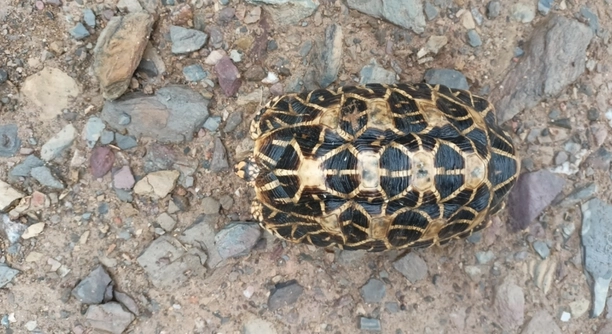
Star tortoises are fascinating pets, and as they display unique behaviors, it’s not uncommon for owners to wonder about their actions. One such behavior is opening their mouths, which may seem puzzling at first glance.
There are various reasons why your star tortoise may be opening its mouth. It could be due to environmental stress, respiratory infections, or simply a sign of communication. Understanding these possibilities can help ensure your pet’s well-being.
Learning the causes behind this behavior will help you respond effectively and maintain your tortoise’s health.
Stress from the Environment
Environmental stress is one of the main reasons your star tortoise might open its mouth. Changes in temperature, humidity, or light can disrupt their comfort, causing them to react in various ways. When a tortoise is stressed, it might open its mouth as a sign of discomfort. Additionally, improper enclosure setups can make your tortoise feel threatened or unsafe. If the temperature is too high or low, it could affect your tortoise’s ability to regulate body temperature, prompting this behavior.
While it’s natural for reptiles to exhibit different behaviors, understanding the stress triggers is key to helping your tortoise feel safe. Providing a stable environment with proper lighting and temperature control will allow your tortoise to thrive. Be sure to also offer plenty of space and opportunities for hiding, as star tortoises prefer privacy.
Monitoring your pet’s behavior regularly and adjusting their habitat can significantly reduce stress. This not only keeps your star tortoise comfortable but can also prevent any long-term health issues related to stress.
Respiratory Infections
Respiratory infections are another common reason your star tortoise might open its mouth. These infections can occur due to poor living conditions, like high humidity or cold temperatures. If your tortoise has a respiratory infection, it may display signs such as nasal discharge, lethargy, and mouth opening.
The infection can cause the tortoise to try to open its mouth in an attempt to breathe more easily. It’s important to monitor your tortoise for any other signs of illness. Proper care, such as providing a clean and warm environment, is essential for preventing infections. Regularly cleaning their habitat and ensuring proper ventilation can help avoid these conditions.
If your tortoise shows signs of a respiratory infection, it’s vital to seek veterinary care promptly. A vet can prescribe the necessary treatment and ensure your pet recovers fully. With quick attention, respiratory issues can be treated effectively.
Overheating
If your star tortoise is opening its mouth, overheating could be the reason. When temperatures rise too high, tortoises may try to cool down by opening their mouths. This behavior can be a sign they are struggling to regulate their body heat.
To prevent overheating, ensure your tortoise has access to shaded areas and enough fresh water. Use a thermometer to monitor the enclosure temperature and keep it within the ideal range for your tortoise. Overheating can lead to dehydration and other health problems, so it’s crucial to maintain a stable, appropriate environment.
If you notice your tortoise opening its mouth more frequently, take steps to lower the temperature quickly. Allowing them to cool off with a lower ambient temperature and providing cool hiding spots can help reduce stress. In extreme cases, moving your tortoise to a cooler, more comfortable area is necessary.
Poor Diet
A poor diet is another common reason for mouth-opening behavior. When your star tortoise lacks the proper nutrients, it may struggle to stay healthy. A deficiency in vitamins, particularly vitamin A, can lead to respiratory issues and mouth-related behaviors.
A diet rich in leafy greens, flowers, and occasional fruits will help maintain your tortoise’s health. Supplements, as advised by your vet, can also be beneficial. Providing a balanced diet ensures your pet gets the nutrients it needs to thrive. Fresh food should be offered daily to keep your star tortoise energized and active.
If your tortoise is not eating properly, it might open its mouth to attempt breathing through a blocked airway. Poor diet can lead to long-term health problems, so always monitor your pet’s eating habits closely.
Mites or Parasites
Mites or parasites can cause discomfort for your star tortoise, which may result in mouth-opening behavior. These tiny creatures can irritate the skin, eyes, or respiratory system, making your tortoise open its mouth in an attempt to breathe better.
If you suspect mites or parasites, examine your tortoise for visible signs like skin irritation, swelling, or unusual movement. Veterinary treatment is necessary to remove the parasites and relieve any discomfort. Regularly cleaning your tortoise’s enclosure will also help prevent infestations. Be sure to keep your pet’s living space as clean as possible.
Dehydration
Dehydration is a serious issue that can lead to your star tortoise opening its mouth. When tortoises don’t receive enough water, they may appear lethargic and show signs of distress, such as mouth opening. Tortoises rely on proper hydration to support their overall health.
A consistent supply of fresh water is essential for your tortoise. Place a shallow dish of water in their habitat and ensure it’s changed regularly. You can also offer water-soaked greens to help increase their hydration. If dehydration persists, consider soaking your tortoise in shallow water to encourage drinking. Always monitor your pet’s water intake.
FAQ
Why does my star tortoise open its mouth when it’s not eating?
When your star tortoise opens its mouth but isn’t eating, it may be a sign of environmental stress, such as improper temperature or humidity levels. It could also indicate respiratory problems or an infection. Check your tortoise’s habitat for any issues and ensure the conditions are optimal. If the problem persists, consult a vet to rule out any infections.
Is mouth-opening behavior normal for star tortoises?
Mouth-opening behavior is not uncommon for star tortoises, but it should not be ignored. It can occur due to various reasons, including stress, overheating, or health issues like respiratory infections. If your tortoise frequently exhibits this behavior, it’s essential to assess their environment and overall health.
What temperature should I maintain for my star tortoise?
The ideal temperature for a star tortoise is between 75°F and 95°F during the day, with a basking area that can reach 100°F. Ensure the temperature doesn’t drop below 70°F at night. You can achieve this by using a heat lamp or heating pad, but always monitor the temperature closely to avoid overheating.
How can I tell if my star tortoise is sick?
Signs of illness in a star tortoise include a lack of appetite, excessive lethargy, nasal discharge, wheezing, or mouth-opening behavior. If you notice these symptoms, it’s important to seek veterinary care. Regular check-ups are also recommended to ensure your tortoise remains healthy.
Can a star tortoise recover from respiratory infections?
Yes, star tortoises can recover from respiratory infections with prompt treatment. A vet will typically prescribe antibiotics to treat the infection. It’s essential to provide a warm, dry environment and avoid stress during recovery. Keeping your tortoise hydrated and well-nourished will also help with healing.
What should I feed my star tortoise?
A star tortoise’s diet should mainly consist of leafy greens, such as dandelion, clover, and turnip greens. You can also feed them flowers, like hibiscus and gerbera daisies, and occasionally offer fruits. Avoid feeding them too much high-oxalate or high-protein food, as it can lead to kidney problems or other health issues.
Can dehydration cause my star tortoise to open its mouth?
Yes, dehydration can cause your star tortoise to open its mouth, as they may be trying to get air in an attempt to cool down or feel more comfortable. Always ensure they have access to fresh, clean water, and consider offering water-soaked food to help increase hydration.
How can I prevent mites from affecting my star tortoise?
To prevent mites, regularly clean your star tortoise’s enclosure, removing any debris and waste. Use non-toxic, reptile-safe cleaning products. Check your tortoise for visible signs of mites, such as itching or swollen eyes. If you find mites, consult a vet for proper treatment.
Should I give my star tortoise a soaking bath?
Yes, soaking your star tortoise in shallow, lukewarm water for about 10-15 minutes once or twice a week can help with hydration and aid digestion. Make sure the water is not too deep, and never leave your tortoise unattended during the soak.
What signs show that my star tortoise is stressed?
Stress in a star tortoise can manifest through behaviors such as mouth opening, rapid movement, hiding, or refusing to eat. Environmental factors such as improper temperature, light, or humidity can contribute to stress. Make sure their habitat is well-maintained to reduce stress.
How often should I clean my star tortoise’s enclosure?
A star tortoise’s enclosure should be cleaned regularly to prevent the buildup of waste and bacteria. Spot clean daily, removing uneaten food and feces. A full cleaning, including disinfecting the entire enclosure, should be done every two weeks or as needed, depending on the level of mess.
Can I keep more than one star tortoise together?
While it’s possible to keep multiple star tortoises together, it’s important to ensure they have enough space and that there are no signs of aggression. Males may become territorial, so it’s usually best to keep them separate. Monitor their interactions and adjust their living space accordingly.
What should I do if my star tortoise refuses to eat?
If your star tortoise refuses to eat, first check the temperature and humidity levels in their enclosure. Stress or illness can also cause a loss of appetite. Offer a variety of fresh foods and make sure they’re hydrated. If the refusal to eat continues, consult a vet for advice.
Final Thoughts
When it comes to your star tortoise’s health, it’s important to be aware of any changes in behavior, such as opening its mouth frequently. While occasional mouth-opening may be normal, it can sometimes be a sign of underlying issues like dehydration, stress, or a respiratory infection. Understanding why this behavior occurs can help you take the necessary steps to ensure your tortoise’s well-being. Paying attention to environmental factors such as temperature, humidity, and cleanliness can prevent many common health problems in tortoises.
If you notice your star tortoise opening its mouth regularly, make sure to assess its living conditions. Check the temperature and humidity levels, as these can affect your tortoise’s behavior. The ideal environment for a star tortoise includes a basking area with temperatures between 95°F and 100°F, along with a cooler area where it can retreat to. Consistent access to fresh water and properly hydrated food is also essential. These steps can help maintain your tortoise’s health and reduce the chances of mouth-opening due to dehydration or stress. If you are uncertain, it’s always a good idea to consult a veterinarian for a proper diagnosis.
In the end, taking care of a star tortoise requires careful attention to its needs. By providing the right environment, diet, and medical care, you can help your pet live a healthy, long life. Whether it’s adjusting its habitat or seeking professional help when necessary, being proactive will go a long way in preventing health problems and ensuring your tortoise stays happy and healthy. Keep monitoring your tortoise’s behavior and be ready to make changes as needed to keep it in the best possible condition.

Hello,
If you enjoy the content that we create, please consider saying a "Thank You!" by leaving a tip.
Every little bit helps us continue crafting quality advice that supports the health, happiness, and well-being of pets around the world, for pets of all shapes, sizes, and species.
We really appreciate the kindness and support that you show us!