
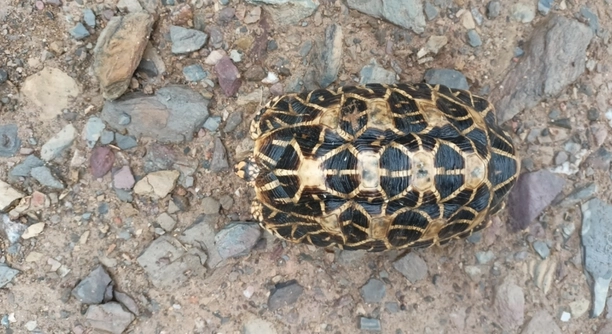
Adjusting a star tortoise to a new diet can seem challenging. These creatures require a balanced diet to thrive. A sudden change in food can be stressful for them, but with proper care, it can be a smooth transition.
Introducing a new diet to a star tortoise requires gradual adjustments to avoid digestive upset. Begin by slowly incorporating new foods alongside their current diet, allowing their digestive system time to adapt. Monitor their behavior and health closely.
With these tips, you’ll be better prepared to support your star tortoise through this transition. Proper care and patience will ensure they adapt well and enjoy their new diet.
Understand Their Natural Diet
Star tortoises are herbivores that thrive on a diet of grasses, leafy greens, and some fruits. Their diet should mimic what they would naturally eat in the wild. A sudden change can lead to digestive issues or a lack of interest in the new food. When introducing a new diet, it is essential to offer a variety of foods to ensure they receive all necessary nutrients. This approach will also encourage them to try different foods.
Offering high-fiber grasses such as timothy hay or dandelion greens is a good start. You should avoid feeding them sugary fruits or vegetables too often, as this can disrupt their digestive health. Star tortoises need calcium for their shells and bones, so providing calcium-rich foods is vital.
It’s best to monitor their health and stool consistency during this transition. This will help ensure that the new diet is agreed with their digestive system. Introducing foods that closely match their natural diet will make the process easier for both of you.
Monitor Their Behavior
Watch for changes in activity or appetite. When a star tortoise is adjusting to a new diet, they may show less interest in food. They may also be slower to eat.
If your star tortoise isn’t eating the new foods right away, don’t be discouraged. Give them time to adjust. It can take a week or more before they fully accept a change in their meals. Star tortoises are creatures of habit, and they may need time to get used to the new foods. If they seem disinterested, you can try offering food at different times or mixing the new diet with their usual favorites.
Be patient and avoid forcing them to eat. Over time, they will begin to adapt, and their appetite should return. Continue to monitor their health to ensure they are adjusting well.
Gradual Introduction of New Foods
When changing your tortoise’s diet, introduce new foods slowly. Start by mixing small amounts of the new food with their usual diet. Gradually increase the new food portion while decreasing the old food to avoid digestive upset. This transition should happen over several days or even weeks to ensure your tortoise’s system adjusts properly.
Gradual introduction reduces the chances of your tortoise rejecting the food or experiencing stress. It also helps them adjust to the change without disrupting their digestion. Keep an eye on their stool for any signs of discomfort or imbalance as you make the change. The goal is to allow time for their digestive system to adapt without causing any distress.
Consistency is key during this process. Offering a variety of fresh, natural foods will keep them interested and help prevent them from becoming too picky. Over time, they’ll learn to accept the new foods.
Provide a Balanced Diet
Star tortoises need a variety of foods to maintain good health. A balanced diet should include leafy greens like kale, dandelion leaves, and mustard greens, along with grasses and occasional fruits. Avoid too many high-protein foods or those high in oxalates, as they can cause health issues.
A varied diet ensures that your tortoise gets the necessary vitamins and minerals. Offering a mix of vegetables, fruits, and grasses will help mimic their natural foraging habits. Also, including calcium-rich foods like collard greens and providing a calcium supplement will promote strong bones and shell growth.
Monitor how much they are eating. If they begin to avoid certain foods, try offering them in a different form, like finely chopped or shredded. The goal is to maintain diversity while ensuring their needs are met.
Avoid Overfeeding
Overfeeding can lead to obesity and health problems. Only offer as much food as your tortoise can eat in a day. Leftover food should be removed to prevent spoilage, which can affect your tortoise’s health. Monitor their food intake regularly.
If your tortoise isn’t eating all the food provided, reduce the amount. This will help prevent waste and overfeeding. It’s better to offer smaller portions more frequently, so they can consume their food easily and at their own pace. Regular observation is necessary to understand how much food they need to stay healthy.
Hydration is Essential
Hydration is critical for digestion and overall health. Make sure your tortoise has access to fresh, clean water at all times. Offer water in a shallow dish that they can easily drink from. Regular hydration helps avoid constipation and other digestive issues.
Proper hydration also aids in the absorption of nutrients from their food. If you notice that your tortoise is drinking less than usual, try offering water through misting or placing them in a shallow bath. Always ensure that they stay hydrated, as dehydration can lead to serious health complications.
FAQ
How long does it take for a star tortoise to adjust to a new diet?
The adjustment period can vary, but generally, it takes about a week to a month. It’s important to be patient, as some tortoises may take longer than others to accept new foods. Gradual introduction is key to a smooth transition, so they have time to adapt to the change without feeling stressed. Keep offering small amounts of the new food alongside their regular diet, and monitor their response. If they show signs of resistance, slow down the process. Regularly observing their behavior and health will help gauge their comfort level with the new diet.
What foods should I avoid feeding my star tortoise?
Avoid foods that are high in oxalates, like spinach and beet greens, as they can interfere with calcium absorption. Also, limit the amount of high-protein foods, such as beans or animal-based products, since they can upset their digestive balance and lead to kidney problems. Fruits should also be given in moderation, as they are high in sugar. In addition, avoid offering iceberg lettuce, as it lacks essential nutrients and can cause diarrhea. Always check for any food that may be toxic to tortoises, such as avocado, which can be harmful to their health.
How can I tell if my star tortoise isn’t eating enough?
Signs of insufficient food intake include weight loss, lethargy, or a lack of interest in food. If you notice these symptoms, it’s important to act quickly. Offer a variety of foods and check that the food is fresh and properly prepared. Monitor their behavior and stool consistency. If they continue to refuse food, consider adjusting the types of food offered or the feeding schedule. If these symptoms persist for more than a few days, it’s best to consult a veterinarian to rule out any underlying health problems.
Can I feed my star tortoise fruit?
Yes, but fruit should only be offered sparingly. While it can provide variety and a source of vitamins, it is high in sugar and should not make up a large part of their diet. Limit fruit offerings to once or twice a week, and stick to safer fruits like melon, berries, and papaya. Always wash the fruit thoroughly to remove any pesticides. When feeding fruit, make sure to balance it with high-fiber vegetables and greens to avoid digestive problems and maintain a well-rounded diet.
Should I provide calcium supplements for my star tortoise?
Yes, calcium is essential for the health of your star tortoise, particularly for shell growth and bone development. Providing a calcium supplement is recommended, especially if their diet lacks sufficient calcium-rich foods. You can sprinkle calcium powder on their food a few times a week or provide a calcium block in their enclosure. It’s important to provide this supplement without overdoing it, as too much calcium can cause other health issues. Always consult with a veterinarian if you’re unsure of the correct dosage or type of calcium supplement to use.
How do I know if my star tortoise is eating the right amount of food?
You can determine if your star tortoise is eating the right amount of food by monitoring their weight, activity levels, and overall health. Their weight should remain stable, and they should appear active and alert. If they are consistently leaving food behind or showing little interest in eating, this may indicate that the portion size is too large or the food is unappealing. If they eat everything provided and seem to stay healthy, it’s likely the right amount. Regularly check their shell condition, as malnutrition can result in shell deformities.
Can star tortoises eat lettuce?
Star tortoises can eat lettuce, but it should not be a staple in their diet. Avoid feeding them iceberg lettuce, as it provides little nutritional value and can cause digestive issues. Instead, opt for darker, more nutrient-dense lettuce varieties such as romaine. Lettuce can be offered as part of a varied diet but should not make up more than 10-15% of their total food intake. It’s essential to focus on offering a range of leafy greens, grasses, and high-fiber vegetables to ensure they receive proper nutrition.
What should I do if my star tortoise refuses to eat?
If your star tortoise refuses to eat, first check their food for freshness and ensure it’s cut to an appropriate size for their age and species. Try offering a variety of foods to see if they have a preference. You can also try feeding them at different times of day or in a new location to spark their interest. If refusal to eat continues for more than a few days or if there are signs of weight loss, lethargy, or other health concerns, it’s advisable to consult a vet to rule out any health problems.
Is it normal for a star tortoise to eat very little sometimes?
Yes, it’s normal for a star tortoise to eat less at times, especially during seasonal changes or periods of rest. Tortoises can slow down their eating habits during cooler months or when they are preparing to brumate (hibernate). However, it’s important to monitor their weight and overall health. If they continue to eat very little or show signs of illness, it’s essential to assess their diet, habitat conditions, and seek veterinary advice if needed.
How often should I feed my star tortoise?
Star tortoises should be fed daily, but the amount of food will depend on their age and size. Hatchlings and young tortoises need to eat more frequently than adults. Typically, adult star tortoises can be fed every other day, but daily feeding is still common. Ensure they have access to fresh, clean food at each feeding. A balanced, varied diet with plenty of fiber should be offered. Always remove uneaten food to prevent spoilage and maintain a clean environment.
What is the best temperature for a star tortoise to eat?
The best temperature for your star tortoise to eat is between 75°F and 85°F (24°C to 29°C). At temperatures below this range, tortoises may become sluggish and lose their appetite. They need a warm environment to help with digestion and overall activity. Provide a heat source like a basking lamp to maintain a consistent temperature. Ensure that the habitat is well-lit and that they have access to cooler areas for temperature regulation, but make sure their food is provided at a comfortable, warm temperature.
Can star tortoises eat flowers?
Yes, star tortoises can eat edible flowers, which can be a great addition to their diet. Flowers like dandelions, hibiscus, and clover are not only safe but also nutritious. They provide extra vitamins, minerals, and fiber. When offering flowers, ensure they haven’t been sprayed with pesticides. You can feed these flowers occasionally, and they will enjoy the variety they bring. However, like fruits, they should only be a small part of their overall diet and not a regular offering.
Are there any toxic foods for my star tortoise?
Yes, some foods are toxic to star tortoises. These include avocado, which contains a substance called persin that can be harmful to tortoises. Other toxic foods include rhubarb, onions, garlic, and certain types of mushrooms. It’s important to always research before feeding your tortoise new foods. If in doubt, avoid offering it or consult with a vet for guidance. Always be cautious when offering foods that are not typically part of their natural diet.
Final Thoughts
Caring for a star tortoise requires attention to detail, patience, and consistency. It’s important to create an environment that mimics their natural habitat as closely as possible, including the right temperature, humidity, and diet. A proper diet is essential for their health and longevity. By offering a variety of leafy greens, grasses, and occasional fruits, you ensure they get the necessary nutrients for growth and well-being. Calcium and fiber are particularly important, as they help support their shell development and digestive health.
While it may seem complicated at first, feeding a star tortoise is manageable once you understand their needs. It’s helpful to observe their eating habits, paying attention to what they prefer and what works best for their digestive system. A balanced diet with proper portions helps maintain their weight and overall health. Avoid overfeeding or offering unhealthy foods like too many fruits or high-protein options. It’s essential to provide fresh, clean food every day and monitor their eating habits closely. If they ever show signs of not eating or losing interest, take the time to adjust their diet or environment to ensure they feel comfortable.
In conclusion, star tortoises are resilient creatures that can thrive with the right care. They are relatively low-maintenance once their basic needs are met, but like all pets, they require attention to detail and regular monitoring. By keeping their diet varied and their habitat suitable, you’ll help them stay healthy for years to come. Be sure to consult a veterinarian if you have any concerns about their eating habits or health. With patience and care, your star tortoise will continue to be a fascinating companion.

Hello,
If you enjoy the content that we create, please consider saying a "Thank You!" by leaving a tip.
Every little bit helps us continue crafting quality advice that supports the health, happiness, and well-being of pets around the world, for pets of all shapes, sizes, and species.
We really appreciate the kindness and support that you show us!