
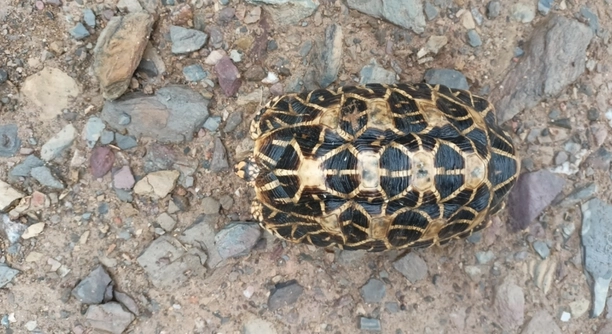
Is your star tortoise constantly scratching the floor, leaving you wondering what might be causing this behavior? Tortoises engage in various actions based on their environment, instincts, and health. Understanding the reasons behind this habit can help address any potential concerns.
A star tortoise may scratch the floor due to natural digging instincts, stress, inadequate substrate, hunger, boredom, mating behavior, or temperature discomfort. Identifying the specific cause can help ensure your tortoise’s well-being and provide a more suitable environment.
Providing the right conditions will help your star tortoise feel comfortable and reduce unnecessary scratching. Exploring the common causes behind this behavior can help you create a better habitat for your pet.
Natural Digging Instincts
Star tortoises are naturally inclined to dig, as they would in the wild. This behavior helps them create burrows for shelter, regulate body temperature, and find food. If your tortoise is scratching the floor, it may be attempting to dig, especially if the enclosure lacks suitable substrate. Providing a proper digging area with soil or coconut fiber can help satisfy this instinct. Without it, your tortoise may continue scratching at hard surfaces, leading to stress or potential injury. Observing when and how often your tortoise engages in this behavior can offer insights into its needs.
A lack of appropriate substrate can make your tortoise restless, leading to excessive scratching. Ensuring a natural environment with soft materials encourages natural behaviors and minimizes stress.
Adding a layer of loose substrate, such as organic topsoil or coconut coir, allows your tortoise to dig comfortably. This simple adjustment can help reduce unnecessary scratching and promote well-being.
Stress and Environmental Discomfort
Stress can cause a star tortoise to exhibit unusual behaviors, including persistent scratching. Factors such as loud noises, excessive handling, or sudden changes in habitat can contribute to stress. Ensuring a calm environment and a consistent routine can help reduce anxiety in your tortoise.
A poorly designed enclosure can also cause discomfort. If the temperature or humidity levels are not properly regulated, your tortoise may scratch the floor as a way to express distress. Ensure the enclosure maintains a temperature gradient between 75-85°F with a basking spot around 90°F. Humidity levels should be between 50-70% to prevent dehydration and shell issues. Additionally, overcrowding or lack of hiding spots can make your tortoise feel unsafe. Providing enough space, hiding areas, and a predictable environment can help create a sense of security.
By making small adjustments to your tortoise’s surroundings, you can minimize stress-related scratching. Keeping the habitat stable and comfortable encourages healthier behaviors.
Inadequate Substrate
A hard or unsuitable substrate can lead to frequent scratching as your tortoise tries to dig. Smooth surfaces like tile or plastic do not support natural burrowing behavior, making your pet restless. Choosing a substrate that mimics its natural habitat is essential for comfort and well-being.
Using materials like organic topsoil, coconut coir, or a mix of sand and soil provides a soft, diggable surface. These options help maintain proper humidity and prevent shell damage. Avoid using wood shavings or gravel, as they can cause irritation or injury. A substrate depth of at least three inches allows your tortoise to dig comfortably. Regularly cleaning and replacing the substrate ensures a hygienic environment while preventing bacterial buildup. Ensuring proper substrate conditions supports healthy behaviors and minimizes stress.
If your tortoise continues scratching despite a suitable substrate, consider environmental factors. Ensure the temperature, humidity, and lighting conditions align with its needs. Some tortoises may still exhibit mild digging behavior, but excessive scratching could indicate discomfort. Observing patterns in this activity can help determine whether changes to the enclosure are necessary. Providing a well-maintained habitat helps your tortoise feel more secure and reduces unwanted behaviors.
Hunger and Foraging Behavior
Star tortoises often scratch the floor when searching for food. If they are not receiving enough food or the right variety, they may exhibit restless behaviors. Ensuring a well-balanced diet with the right portions can help prevent excessive scratching related to hunger.
A diet rich in leafy greens, vegetables, and occasional fruits supports overall health. Foods such as dandelion greens, collard greens, and hibiscus flowers provide essential nutrients. Avoid excessive high-protein foods, as they can lead to health issues. Offering food at consistent times helps regulate hunger levels. Scatter feeding or placing food in different areas of the enclosure encourages natural foraging behavior, keeping your tortoise engaged.
If your tortoise continues scratching despite a proper diet, consider increasing enrichment activities. Providing fresh plants, edible flowers, or safe branches to explore can stimulate foraging instincts. Ensuring your tortoise has enough space and opportunities to interact with its environment can make a significant difference in reducing restless behaviors.
Boredom and Lack of Stimulation
A star tortoise may scratch the floor due to boredom, especially if the enclosure lacks enrichment. Without mental and physical stimulation, it may develop repetitive behaviors. Adding interactive elements like logs, rocks, and safe plants can help keep it engaged.
Providing varied food placements and occasional obstacles encourages exploration. A larger enclosure with different textures and hiding spots can prevent restlessness. Regular interaction, such as offering new objects or rearranging the habitat, also helps maintain interest. Small changes can make a significant difference in reducing boredom-related scratching.
Mating Behavior
Male star tortoises may scratch the floor as part of mating behavior. This action is often accompanied by head bobbing, circling, or nudging. If your tortoise is reaching maturity and displaying these behaviors, it may be seeking a mate. This is a natural instinct and not a sign of distress.
Temperature Discomfort
If the enclosure is too hot or too cold, a tortoise may scratch the floor in an attempt to regulate its body temperature. Ensuring proper temperature gradients within the habitat allows it to find a comfortable spot. A basking area and a cooler section help maintain the right balance.
FAQ
Why does my star tortoise keep scratching the floor even after I provide a suitable substrate?
If your star tortoise continues scratching despite having a proper substrate, it could be due to environmental factors. Check the temperature and humidity levels in the enclosure. Ensure the temperature gradient is correct, with a basking area around 90°F and a cooler area around 75°F. If the humidity is too high or low, this can cause discomfort and lead to scratching. Also, stress or boredom could be factors. Try adding enrichment and offering varied food sources to keep your tortoise entertained.
How do I know if my star tortoise is stressed?
Stress can manifest in different ways. If your tortoise is scratching excessively, hiding more than usual, or not eating as much, it may be stressed. Stress in tortoises often arises from changes in their environment, improper handling, or overcrowding. Monitor the habitat for any sudden changes and ensure the conditions are stable. Creating a more secure and comfortable space can help alleviate stress and reduce unwanted behaviors like scratching.
Can a star tortoise scratch the floor because it is looking for food?
Yes, star tortoises may scratch the floor if they are hungry or looking for food. Scratching may be a sign of searching for nourishment, especially if their diet lacks variety. If your tortoise is not getting enough food or the right types, it may resort to scratching as a foraging behavior. Ensure a balanced diet with plenty of leafy greens, and try scattering food around the enclosure to encourage natural foraging.
What kind of substrate should I use to stop my tortoise from scratching the floor?
A suitable substrate is key to preventing unnecessary scratching. Use materials that allow your tortoise to dig and burrow, such as organic topsoil or coconut coir. These materials provide the proper texture and moisture levels, creating a more natural environment. Avoid using sand or gravel as they can irritate the tortoise’s skin and cause health issues. A substrate depth of at least 3 inches is ideal for comfortable digging.
Could temperature issues be causing my star tortoise to scratch the floor?
Temperature problems can cause scratching as your tortoise attempts to regulate its body temperature. If the enclosure is too hot or too cold, it may engage in excessive scratching. Ensure the habitat has a proper temperature gradient, with a basking area around 90°F and cooler areas between 75-85°F. Check the temperature regularly using a reliable thermometer to maintain the ideal range.
How can I tell if my tortoise is scratching due to mating behavior?
Mating behavior in male star tortoises can cause scratching, along with head bobbing and circling. If your tortoise has reached maturity and is showing these signs, it is likely responding to mating instincts. Mating behavior typically includes scratching the floor, especially if there are no females present in the enclosure. This behavior is natural and not a cause for concern, but it may help to provide a more suitable space for the tortoise to engage in this instinctive behavior.
Can boredom cause my star tortoise to scratch excessively?
Yes, boredom is a common reason for scratching in star tortoises. If the enclosure is too plain and lacks enrichment, your tortoise may resort to repetitive actions like scratching. Adding elements such as rocks, logs, safe plants, and hiding spots can provide mental and physical stimulation. Try varying the environment and offering new items to explore regularly. This will help reduce boredom and prevent excessive scratching.
How much space does my star tortoise need to avoid scratching?
Providing enough space is important to avoid stress and reduce scratching behavior. A tortoise needs room to move around and explore. A minimum enclosure size of 4×2 feet for an adult star tortoise is recommended. Larger enclosures provide more room for natural behaviors, such as roaming and digging, which can prevent repetitive scratching.
Could my tortoise be scratching because it’s sick?
While scratching is often linked to environmental factors, illness can cause changes in behavior as well. If your tortoise is scratching excessively, along with other symptoms like lethargy, loss of appetite, or unusual discharge, it could be a sign of an underlying health issue. It’s important to observe your tortoise’s behavior and seek advice from a veterinarian if you suspect health problems. Prompt treatment can help prevent further complications.
Can my star tortoise scratch the floor because it’s looking for a mate?
Male star tortoises may exhibit scratching behavior when they are trying to find a mate. Mating behavior is natural and often includes scratching, circling, and head bobbing. This is especially true if your tortoise is mature and the conditions are right for mating. While this behavior is not harmful, it can be reduced if there are no potential mates in the enclosure.
Final Thoughts
Understanding why your star tortoise scratches the floor can help you address the behavior effectively. While scratching can be linked to natural instincts, such as mating or seeking food, it can also be a sign of environmental or health issues. Identifying the root cause is essential for ensuring your tortoise’s well-being and comfort. By paying close attention to the habitat conditions and offering sufficient space and stimulation, you can create a more suitable environment for your tortoise.
If your tortoise scratches excessively, check the temperature, humidity, and substrate. Ensuring the enclosure is spacious and well-equipped with enrichment can help prevent boredom and stress. It’s important to make sure the habitat mirrors the tortoise’s natural environment as much as possible. Adding items like logs, rocks, or plants not only enhances the habitat but also keeps the tortoise physically and mentally active, reducing the likelihood of repetitive behaviors. Regular observation can help you spot any changes that might signal discomfort or stress.
If none of these changes reduce the scratching, and your tortoise shows signs of illness, it’s important to seek veterinary advice. Illnesses or injuries can sometimes lead to unusual behaviors. However, many times scratching is a harmless behavior linked to natural instincts or environmental factors. With proper care, your star tortoise can lead a healthy and happy life. By making the necessary adjustments and being attentive to its needs, you can help your tortoise thrive in its environment.

Hello,
If you enjoy the content that we create, please consider saying a "Thank You!" by leaving a tip.
Every little bit helps us continue crafting quality advice that supports the health, happiness, and well-being of pets around the world, for pets of all shapes, sizes, and species.
We really appreciate the kindness and support that you show us!