
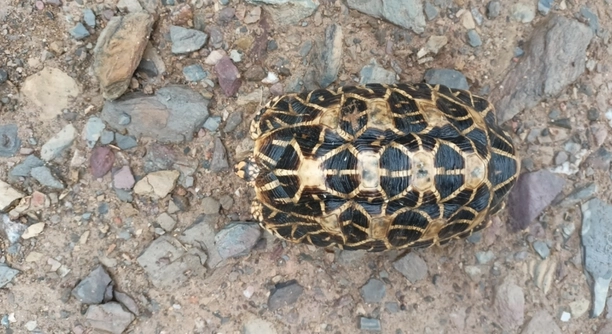
If you’re a proud owner of a star tortoise, you may notice that it isn’t growing as expected. This could be puzzling and concerning, but there are several reasons that could explain this slow growth.
A star tortoise may not grow as expected due to a variety of factors including improper diet, insufficient UVB lighting, incorrect humidity levels, or poor enclosure size. Health issues or genetic factors can also contribute to stunted growth.
Understanding the root causes behind your tortoise’s growth problems will help you ensure a healthy, happy pet. With the right care and attention, your star tortoise can thrive.
Diet and Nutrition
One of the most common reasons for a star tortoise’s slow growth is an improper diet. A balanced diet is essential for your tortoise to grow at a healthy rate. Star tortoises need a variety of leafy greens, grasses, and occasional fruits. Feeding them only one type of food, such as lettuce, can lead to malnutrition. Make sure to include high-fiber foods to promote digestion and help them grow strong. Overfeeding or offering too many treats can also lead to obesity and stunted growth.
Providing the right balance of vitamins and minerals, especially calcium and vitamin D3, is important. Calcium helps in developing strong bones and proper shell growth. A lack of this essential nutrient can cause problems like soft shell syndrome and growth issues.
The diet plays a large role in your tortoise’s overall health. By offering a variety of foods rich in nutrients, you can prevent growth problems and help them thrive.
Inadequate Lighting and UVB Exposure
Poor lighting conditions can stunt the growth of your star tortoise. Without proper UVB lighting, your tortoise may struggle to absorb calcium from its food, leading to growth problems. UVB light helps synthesize vitamin D3, which is crucial for calcium metabolism.
UVB lights should be on for 10-12 hours a day and replaced every 6-12 months as their effectiveness decreases over time. Additionally, your tortoise should have access to natural sunlight whenever possible. Without proper exposure, your tortoise may suffer from soft shells, poor growth, and even bone deformities.
Ensuring that your star tortoise receives the right amount of UVB light will help its growth and overall health. Regularly check your lighting setup and make adjustments as needed.
Incorrect Humidity Levels
Humidity is a crucial factor in your star tortoise’s growth. If the humidity levels are too low or too high, it can lead to health problems and slow growth. Star tortoises thrive in a relatively dry environment, but they still need access to some moisture to stay hydrated and maintain healthy skin and shells.
Maintaining the right humidity range is key. A humidity level of 50-60% is ideal for star tortoises. Too much humidity can lead to respiratory issues, while too little can cause dehydration and hinder growth. You can use a hygrometer to measure humidity and adjust accordingly.
A good way to control humidity is by providing a shallow water dish, ensuring there is enough airflow in the enclosure, and misting the area slightly. This balance is essential for proper shell development and overall health.
Enclosure Size and Space
A cramped enclosure can hinder your tortoise’s growth. Star tortoises need plenty of space to roam and exercise, which helps keep them active and healthy. Without adequate room, they can become stressed, leading to slower growth or health problems.
Ensure that the enclosure is large enough for your tortoise to move freely. A good rule of thumb is to provide at least 10 square feet of space for one adult star tortoise. This will give them room to explore and stay active, which is important for their overall well-being. Providing more space will also prevent stress-related issues that can stunt growth.
Remember that the larger the enclosure, the better your tortoise will feel. It’s also important to regularly clean and monitor the habitat, as the environment directly affects their growth rate. A spacious, well-maintained home encourages a healthy, active tortoise.
Temperature Fluctuations
Temperature plays a significant role in your tortoise’s health and growth. If the temperature in the enclosure is inconsistent, it can cause stress and slow their growth. Star tortoises need a warm area to bask, but also a cooler area to retreat to when needed.
To avoid fluctuations, maintain a temperature gradient in the enclosure. The warm side should be around 90°F (32°C), and the cooler side should be around 75°F (24°C). A basking lamp or heat pad can help regulate the warmth. Regular temperature checks ensure your tortoise stays comfortable and healthy.
Health Issues
Health problems can affect the growth of your star tortoise. Parasites, infections, or metabolic bone disease (MBD) can all cause stunted growth if left untreated. MBD is especially common in tortoises lacking proper calcium and UVB exposure.
If you notice that your tortoise is not eating, has a soft shell, or seems lethargic, it’s important to consult a vet. Addressing health issues early can prevent long-term growth problems and keep your tortoise healthy. Proper care and regular check-ups are essential for maintaining their well-being and growth rate.
Genetic Factors
Some tortoises may have genetic factors that affect their growth rate. These tortoises may naturally grow slower than others. Unfortunately, this is out of your control and may be part of their genetic makeup.
Even with proper care, some star tortoises may take longer to reach full size. However, if all environmental and dietary factors are optimized, these tortoises can still lead healthy lives, even if their growth is slower. It’s important to monitor their overall health and comfort, regardless of their growth rate.
FAQ
Why is my star tortoise not eating?
There are several reasons why your star tortoise might not be eating. It could be due to stress, such as changes in its environment or handling, or if it feels unsafe. Another common reason is improper temperature or lighting. If the basking area is not warm enough, your tortoise might not feel hungry. Illness or internal parasites can also reduce appetite. It’s important to monitor their environment and behavior. If the issue persists for several days, consulting a vet would be wise.
How do I know if my star tortoise is growing at the right rate?
Star tortoises grow slowly, so it can take years to see significant changes in size. However, a healthy tortoise should steadily gain weight and grow in length. If you notice that your tortoise has not grown in several months or seems to have stopped growing, it may be due to factors like diet, lighting, or health problems. Regularly measuring your tortoise and comparing it to growth charts can help you track its progress. If it seems to be growing unusually slowly, seek professional advice.
What is the ideal humidity level for my star tortoise?
The ideal humidity level for a star tortoise is around 50-60%. Too much humidity can cause respiratory problems, while too little can lead to dehydration. You can measure humidity using a hygrometer, and adjust the environment accordingly. It’s important to mist the habitat lightly, provide a shallow water dish, and ensure proper ventilation.
What should I feed my star tortoise for healthy growth?
A balanced diet is essential for healthy growth. Star tortoises thrive on a diet rich in grasses, leafy greens, and flowers. Include dandelion greens, clover, collard greens, and hibiscus flowers. Occasionally, you can offer fruits like strawberries or apples, but they should not make up a large portion of the diet. Calcium and vitamin D3 are essential for strong shells and bones, so be sure to provide a supplement or offer foods that naturally contain these nutrients.
How much space does a star tortoise need?
Star tortoises require plenty of space to roam, exercise, and grow. An adult tortoise should have at least 10 square feet of space, though more is always better. The larger the enclosure, the more room your tortoise has to move around, reducing stress and promoting healthy growth. A spacious habitat also makes it easier to maintain proper temperature and humidity gradients.
Can my star tortoise live with other animals?
It’s generally not recommended to house your star tortoise with other animals. They can become stressed by the presence of other pets, and some animals may not get along with tortoises. If you plan to house your star tortoise with others, make sure the animals are compatible and that there is enough space for each animal to have its own area. Always monitor their interactions closely, especially when introducing new animals.
How do I maintain the correct temperature for my star tortoise?
Maintaining the right temperature is critical to your tortoise’s health and growth. You need to create a temperature gradient in the enclosure, with a warm side around 90°F (32°C) and a cooler side around 75°F (24°C). Use a heat lamp or heat pad for the basking area, and ensure the temperature doesn’t fluctuate too much. Regularly check the temperature with a reliable thermometer. Having the right temperature will encourage healthy digestion and activity levels in your tortoise.
Why is my star tortoise’s shell soft?
A soft shell is a common sign of metabolic bone disease (MBD), which is usually caused by a lack of calcium, vitamin D3, or improper UVB lighting. Without enough UVB exposure, your tortoise cannot properly absorb calcium, leading to weak bones and a soft shell. To correct this, ensure that your tortoise has access to UVB lighting for 10-12 hours a day and supplement its diet with calcium. If the problem persists, consult a vet for further treatment.
Can I use sand in my star tortoise’s enclosure?
Sand is not recommended for star tortoises because it can lead to impaction if ingested. If your tortoise consumes sand while eating or foraging, it can cause a blockage in their digestive system, which can be life-threatening. Instead of sand, use a substrate like coconut fiber, grass, or a soil mixture that is safe for them to dig in. This will help maintain a clean and safe environment for your tortoise.
How long do star tortoises live?
Star tortoises are known for their long lifespan. In the wild, they can live up to 80 years or more, though those in captivity typically live between 50 to 70 years with proper care. To ensure a long and healthy life, you need to provide a balanced diet, the right habitat, regular check-ups, and lots of love. Being aware of their needs and meeting them is key to a long life.
Final Thoughts
Taking care of a star tortoise involves more than just feeding and housing it. There are many factors to consider, including diet, temperature, humidity, lighting, and space. A proper environment is key to ensuring your tortoise grows at a healthy rate and stays happy. These reptiles need the right balance of care to thrive. If one of these elements is off, it can lead to stunted growth, health problems, or stress. Regularly checking your tortoise’s habitat and making sure it’s meeting their needs will help prevent these issues.
Sometimes, the reason your star tortoise isn’t growing is beyond your control, such as genetic factors. While you can’t change their genetic makeup, providing them with the best possible care can help them reach their full potential. Be patient, as these tortoises grow slowly, and changes may take time to notice. Keep monitoring their growth, and if you see any signs of illness or stunted growth, don’t hesitate to consult a vet for professional advice.
In the end, every star tortoise is unique. Some may grow more slowly than others, but that doesn’t mean they are unhealthy. As long as you are providing a balanced diet, the right habitat, and regular care, your tortoise will have a good chance of living a long, healthy life. The most important thing is to ensure their environment remains stable and comfortable. By addressing any issues early on and keeping track of their needs, you can help your star tortoise live its best life.

Hello,
If you enjoy the content that we create, please consider saying a "Thank You!" by leaving a tip.
Every little bit helps us continue crafting quality advice that supports the health, happiness, and well-being of pets around the world, for pets of all shapes, sizes, and species.
We really appreciate the kindness and support that you show us!