
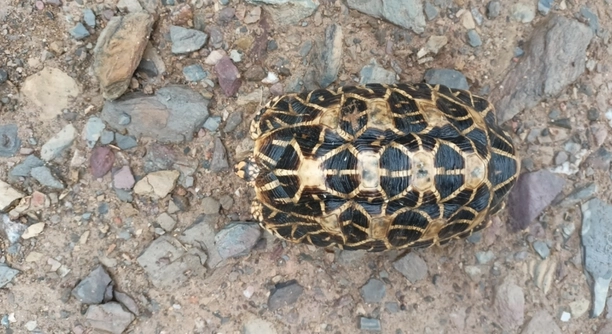
Do you ever find yourself wondering if your star tortoise can safely munch on carrots? Many tortoise owners want to offer their pets a variety of foods but worry about what is safe and how much is appropriate.
Star tortoises can eat carrots, but only in moderation. Carrots contain high amounts of sugar and oxalates, which can be harmful if fed too often. Offering small portions occasionally as part of a balanced diet helps prevent potential health issues.
Carrots may seem like a harmless treat, but understanding their effects on your tortoise is important. Knowing how much to offer and how frequently can help maintain your pet’s overall well-being.
Are Carrots Safe for Star Tortoises?
Carrots are safe for star tortoises when given in small amounts. These root vegetables provide vitamins and fiber, but they also contain natural sugars and oxalates. Feeding too many carrots can lead to digestive issues or interfere with calcium absorption. Star tortoises thrive on a diet rich in leafy greens, grasses, and flowers. Carrots should only be an occasional addition to their meals. When offering carrots, it is best to serve them raw and finely chopped to prevent choking hazards. Cooking reduces some nutrients, making raw carrots the better choice. A small portion once or twice a month is enough to provide variety without causing harm. Carrots should never replace their primary food sources. By keeping their diet balanced, you can ensure your tortoise stays healthy and active.
Limiting carrots in their diet helps prevent excess sugar intake. Too much sugar can lead to weight gain and other health concerns over time.
A well-balanced diet plays a key role in keeping your star tortoise in good shape. While carrots can be included occasionally, focusing on fiber-rich and calcium-packed foods ensures they get the nutrients they need. Offering the right foods will help your tortoise live a long and healthy life.
How Much Carrot is Safe?
A small, thin slice of carrot every few weeks is enough. This amount provides variety without overwhelming their digestive system. Avoid feeding large portions or making carrots a frequent part of their diet.
Star tortoises need a diet that closely resembles what they eat in the wild. Their natural food sources consist of fibrous plants, grasses, and flowers. Carrots, while safe in moderation, do not provide the right balance of nutrients for daily feeding. Too much carrot can lead to an imbalance in calcium and phosphorus levels, which affects shell and bone health. If you choose to give your tortoise a carrot treat, make sure it is a rare addition. Instead of offering large pieces, grate or finely chop the carrot to make it easier for them to eat. Mixing it with their usual greens can help balance the meal. Keep an eye on your tortoise after feeding to ensure they digest the carrot without issues. Sticking to a diet that meets their needs will support their long-term health.
Best Way to Serve Carrots to Star Tortoises
Carrots should always be washed thoroughly before serving. Pesticides and dirt can be harmful, so cleaning them properly is important. Cut the carrot into small, thin slices or grate it to make it easier for your tortoise to eat and digest.
Raw carrots are the best option since they retain their nutrients. Cooking can reduce the amount of vitamins and fiber, making them less beneficial. If your tortoise is hesitant to eat carrots, try mixing small pieces with their usual greens. This helps ensure they still get the necessary nutrients from their primary food sources. Carrots should never be the main part of their diet, so it is best to offer them alongside fibrous foods like hay, dandelion greens, or hibiscus leaves. A varied diet helps prevent nutritional imbalances and supports healthy growth.
Portion size matters when feeding carrots. A small slice or a teaspoon of grated carrot every few weeks is enough. Feeding too much at once can upset their digestive system or lead to excessive sugar intake. If you notice any changes in their stool or appetite after eating carrots, reduce the amount or eliminate them altogether. Keeping track of their diet helps maintain their overall health.
Alternative Vegetables for Star Tortoises
Leafy greens like collard greens, mustard greens, and dandelion greens are great choices. These vegetables provide fiber, vitamins, and calcium, which are essential for a tortoise’s health. Unlike carrots, they do not contain high sugar levels and can be fed more frequently.
Other safe vegetables include hibiscus leaves, mulberry leaves, and cactus pads. These options are closer to what star tortoises eat in the wild and support a balanced diet. Avoid vegetables like spinach and beet greens since they contain high amounts of oxalates, which can interfere with calcium absorption. Bell peppers can be offered occasionally, but they should not replace staple greens. When introducing new vegetables, start with small portions and observe how your tortoise reacts. Some tortoises may prefer certain greens over others, so offering a variety keeps their diet interesting and nutritious. Feeding a mix of these vegetables helps maintain their energy levels and supports shell health.
Vegetables to Avoid for Star Tortoises
Spinach and beet greens should be avoided due to their high oxalate content. Oxalates bind to calcium, which can lead to deficiencies and affect shell health. While small amounts may not cause immediate harm, regular consumption can create long-term issues. Stick to safer greens instead.
Tomatoes and potatoes are not ideal for star tortoises. Tomatoes contain high acidity, which can upset digestion, while potatoes have compounds that may be toxic. Other vegetables like onions, garlic, and rhubarb should also be avoided since they can be harmful. Choosing the right foods helps prevent unnecessary health risks.
Signs of an Unhealthy Diet
A tortoise with an unbalanced diet may show signs like soft shells, sluggish behavior, or irregular bowel movements. Too much sugar from vegetables like carrots can contribute to weight gain, while a lack of fiber can cause digestive issues. Keeping track of their eating habits helps prevent problems.
Final Thoughts on Feeding Carrots
Carrots can be a safe treat in small amounts, but they should never be a major part of a star tortoise’s diet. Focusing on fiber-rich greens and calcium-rich foods will help maintain their health and ensure they get the nutrients they need.
FAQ
Can star tortoises eat carrots every day?
No, star tortoises should not eat carrots every day. Carrots contain natural sugars and oxalates, which can be harmful if fed too often. Too much sugar can lead to weight gain, while excess oxalates can interfere with calcium absorption, which is essential for their shell health. Carrots should be offered occasionally, with a focus on more fibrous, nutrient-rich foods like leafy greens and grasses.
How often can I feed carrots to my star tortoise?
Carrots can be offered to star tortoises once or twice a month in small portions. Feeding too frequently can cause health issues. It is essential to focus on their primary diet, which includes high-fiber plants and greens that support their long-term health.
Are there any health risks to feeding too many carrots?
Yes, feeding too many carrots can cause a variety of health issues. Carrots have a high sugar content, which can contribute to obesity, and excessive oxalates can prevent proper calcium absorption. Without enough calcium, your tortoise may experience shell deformities, weak bones, and other health complications.
What are the best vegetables for star tortoises?
The best vegetables for star tortoises are dark, leafy greens such as collard greens, mustard greens, and dandelion greens. These vegetables provide the right amount of fiber, calcium, and essential vitamins. You can also offer hibiscus leaves, mulberry leaves, and cactus pads. These foods more closely mimic what they would naturally eat in the wild.
Can star tortoises eat other root vegetables like sweet potatoes?
While sweet potatoes are generally safe for star tortoises in moderation, they should be given sparingly. Like carrots, sweet potatoes contain higher sugar levels, which could cause digestive or weight problems if consumed too often. They should be seen as an occasional treat rather than a regular part of their diet.
Is it safe to feed carrots with other vegetables?
Yes, it’s safe to feed carrots with other vegetables as long as it’s in moderation. Mixing carrots with leafy greens like dandelion greens, kale, or parsley can provide variety and additional nutrients. Just be sure to serve them in small amounts and avoid making carrots the main component of their meals.
Can carrots be harmful to baby star tortoises?
Carrots should be fed with caution to baby star tortoises. Their small size and growing bodies make them more sensitive to high sugar intake, which can lead to obesity and digestive issues. For babies, it’s best to focus on a diet of fibrous grasses and appropriate greens, avoiding sugary vegetables.
Should I feed carrots raw or cooked to my star tortoise?
Carrots should always be fed raw. Cooking them can diminish their nutritional value, making them less beneficial for your tortoise. Raw carrots provide more fiber and vitamins, and they are easier to digest. Always wash them thoroughly before feeding to remove pesticides or dirt.
What other fruits can star tortoises eat?
Star tortoises can eat fruits like papaya, melon, and berries in small amounts. Fruits should be offered sparingly due to their high sugar content. Too much fruit can lead to weight gain and digestive problems, so it’s important to use them as an occasional treat rather than a regular part of their diet.
Are there any signs that my star tortoise has eaten too many carrots?
If your star tortoise has eaten too many carrots, you may notice changes in their behavior, such as lethargy or a lack of appetite. Over time, excessive sugar intake can lead to weight gain, and an imbalance in calcium and phosphorus levels can affect their shell. If you observe any of these signs, reduce the frequency of carrot feeding and ensure they have a balanced diet.
Can star tortoises eat other foods besides vegetables and fruits?
Yes, star tortoises can also eat flowers and grasses. In the wild, they feed on a variety of plants, including hibiscus, clover, and dandelions. Offering safe, edible flowers and weeds can help mimic their natural diet and provide more variety. Always check that the flowers or plants you offer are non-toxic.
Are there any vegetables toxic to star tortoises?
Yes, some vegetables are toxic to star tortoises. Vegetables like onions, garlic, and rhubarb can cause severe health problems. These foods contain compounds that can interfere with digestion and may even be harmful in larger amounts. Always avoid feeding these items and stick to safe, tortoise-friendly plants.
How can I prevent my star tortoise from becoming overweight?
To prevent your star tortoise from becoming overweight, offer a variety of low-calorie, high-fiber foods like grasses and leafy greens. Limit high-sugar vegetables like carrots and fruits, and avoid overfeeding. Provide opportunities for exercise by allowing your tortoise to roam in a safe area to keep them active.
How do I know if my star tortoise is getting the right amount of calcium?
If your star tortoise has a healthy, hard shell and is growing at a normal rate, they are likely getting enough calcium. To ensure adequate calcium intake, provide calcium-rich foods like dandelion greens, and consider dusting their food with calcium powder. Consult a vet if you’re concerned about your tortoise’s health.
Can I mix carrots with their calcium supplement?
It’s best not to mix carrots with calcium supplements. Carrots contain high amounts of phosphorus, which can hinder calcium absorption. Calcium should be given separately, either dusted onto their greens or offered in a dedicated supplement form. This ensures that the calcium is absorbed properly without interference.
Should I be concerned about my star tortoise’s digestion after feeding carrots?
If fed in moderation, carrots should not cause digestive problems for your star tortoise. However, if you notice loose stool, bloating, or other signs of digestive upset, reduce or eliminate carrots from their diet. Keep an eye on their overall health and adjust their meals accordingly.
Are there any other treats that are safe for star tortoises?
Safe treats for star tortoises include edible flowers like hibiscus and pansies, cactus pads, and certain grasses. You can also offer small amounts of fruits like papaya or berries. These treats should be occasional and kept in moderation to avoid disrupting their balanced diet.
In conclusion, feeding carrots to your star tortoise can be a safe treat when done in moderation. Carrots are rich in vitamins and fiber, which can benefit your tortoise, but they also contain sugars and oxalates that should be limited. The key is to remember that carrots should not make up a large part of your tortoise’s diet. They should only be offered occasionally, with the majority of their meals coming from leafy greens, grasses, and other fibrous plants. By keeping carrots as an occasional treat, you can ensure that your tortoise receives a balanced diet without putting their health at risk.
It is essential to understand that while carrots are a tasty snack, they cannot replace the primary foods that star tortoises need. Their natural diet consists mostly of high-fiber plants that help with digestion and support bone health. In particular, foods high in calcium, such as dandelion greens or hibiscus flowers, are important for maintaining a healthy shell and bone structure. Overfeeding carrots or other sugary vegetables can lead to weight gain, poor digestion, and calcium imbalances. By offering a variety of foods that closely resemble what they would eat in the wild, you help ensure your tortoise stays healthy and active.
Lastly, always pay attention to your tortoise’s behavior and health. If you notice any signs of digestive problems or weight gain after feeding carrots, it may be time to adjust their diet. Small changes in portion sizes and the frequency of treats can make a big difference in their overall well-being. A healthy diet, along with proper care and regular observation, will allow your star tortoise to thrive. Stick to safe vegetables, monitor their weight, and make sure they have access to a balanced mix of foods. By doing so, you’ll be able to enjoy the company of your tortoise for many years to come.

Hello,
If you enjoy the content that we create, please consider saying a "Thank You!" by leaving a tip.
Every little bit helps us continue crafting quality advice that supports the health, happiness, and well-being of pets around the world, for pets of all shapes, sizes, and species.
We really appreciate the kindness and support that you show us!