
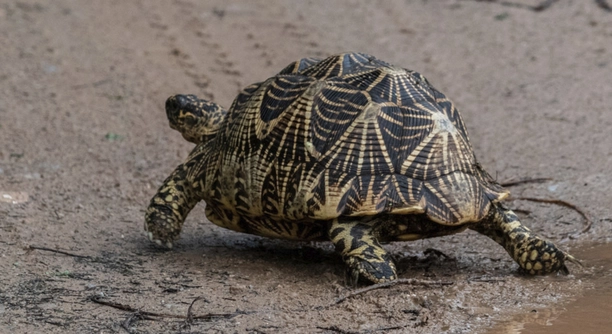
A star tortoise may lose its appetite for various reasons, affecting its health. Understanding the causes is essential to properly care for your pet and ensure it remains healthy and well-fed.
The most common reasons for a star tortoise losing its appetite include stress, poor diet, improper temperature, and health issues. These factors can reduce their feeding habits, leading to a lack of interest in food.
Addressing these factors can help your tortoise regain its appetite and improve its overall well-being.
Stress and Environmental Factors
Stress can affect a star tortoise’s appetite. Environmental changes, loud noises, or the presence of other animals can cause anxiety. If your tortoise feels threatened, it may stop eating. Stressful conditions, such as being kept in too small of an enclosure, also contribute to this issue. Tortoises need a calm and safe space to thrive.
Adjusting the environment is key. Make sure the enclosure is large enough, with a proper temperature and humidity level. Keep the space quiet, away from sudden movements or loud noises. Your tortoise should feel comfortable and secure.
Star tortoises can also be sensitive to changes in their habitat. Moving their enclosure or changing their routine might trigger stress, leading to a loss of appetite. Create a stable, quiet environment to help reduce their stress levels. Offering familiar sights and smells can also make them feel more at ease, improving their eating habits.
Poor Diet and Lack of Variety
A lack of variety in a star tortoise’s diet can also cause them to lose interest in food. If they eat the same food daily, they may stop eating altogether. It’s essential to offer different types of greens, fruits, and vegetables to keep their diet balanced and appealing.
Incorporating a variety of fresh foods can entice your tortoise to eat. Include dark leafy greens, such as collard greens and dandelion leaves. Fresh fruits like strawberries or melons are excellent for occasional treats. When preparing meals, avoid offering only one type of food. Changing things up can stimulate their appetite and make mealtime more enjoyable.
Temperature and Lighting Issues
Improper temperature can lead to a loss of appetite in a star tortoise. If the enclosure is too cold, your tortoise will not be able to digest food properly. Similarly, if the enclosure is too hot, it can cause stress, leading to a reduced interest in food. Maintaining the right temperature is vital.
Ensure your tortoise’s habitat stays between 80°F to 90°F during the day and around 70°F at night. Use a reliable thermometer and heat lamps to regulate the temperature. Tortoises also need UVB light for proper calcium absorption. Without proper lighting, they may lose interest in eating.
Make sure the basking area reaches around 95°F, as tortoises need a warm spot to help them digest food. A drop in temperature below this range can cause lethargy and a lack of appetite. By monitoring both temperature and lighting, you can create an environment that supports healthy feeding habits.
Health Problems and Illness
Health problems, such as infections or internal parasites, can cause a star tortoise to stop eating. A sick tortoise will often show other signs, such as lethargy, irregular behavior, or swollen eyes. If your tortoise refuses food and displays unusual symptoms, it’s time to consult a vet.
Internal parasites can affect your tortoise’s digestion, making it uncomfortable to eat. A proper diagnosis is essential for treatment. Infections, such as respiratory infections, can also reduce appetite and make feeding difficult. Regular vet check-ups are important for monitoring your tortoise’s health and preventing serious issues.
Taking prompt action when your tortoise stops eating due to illness can prevent further complications. Don’t wait too long before seeking help, as early treatment often results in better recovery outcomes. If you notice additional signs of illness, a professional diagnosis and care plan will be necessary.
Overfeeding or Excessive Treats
Overfeeding can cause a star tortoise to lose interest in its regular meals. If they are fed too many treats or high-calorie foods, they may not feel hungry for their main diet. It’s important to maintain a balanced feeding schedule with appropriate portions.
Feeding your tortoise treats too often can disrupt its appetite for essential nutrients. Stick to a proper feeding routine that consists mostly of vegetables and greens. Treats should be offered occasionally, not as a substitute for their regular meals. This will help keep their eating habits in check.
Age and Growth Stages
As a star tortoise matures, its eating habits may change. Younger tortoises typically eat more, while adults may eat less. It’s important to understand these changes in appetite based on their age and growth stages. Adjustments to their diet may be necessary.
Younger tortoises have higher energy needs, requiring more frequent meals. As they reach adulthood, their eating patterns may slow down. However, it’s crucial not to confuse a decrease in appetite with a health issue. Make sure they continue to receive a proper diet appropriate for their stage of life.
FAQ
Why is my star tortoise not eating?
A lack of appetite in a star tortoise can be caused by several factors, including stress, an improper diet, temperature issues, or health problems. Environmental stressors, like loud noises or other pets, can make them feel unsafe and reduce their appetite. If their diet is too repetitive or lacking essential nutrients, they may lose interest in food. Temperature fluctuations in the enclosure can also affect their digestion. In some cases, illness or parasites may cause them to stop eating altogether. Monitoring their environment and health is essential for resolving the issue.
What temperature should my star tortoise’s habitat be?
Star tortoises need a temperature range of 80°F to 90°F during the day. At night, the temperature should drop to around 70°F. They also need a basking area with temperatures of 95°F to aid in digestion. Without the right temperature, tortoises may not eat properly. Use a thermometer to check the enclosure temperature regularly and adjust as needed. It’s important that the enclosure is well-ventilated and that heat sources, like heat lamps, are positioned correctly to provide a warm, comfortable environment for your tortoise.
How often should I feed my star tortoise?
Feeding frequency varies based on the age and size of your star tortoise. Young tortoises need to be fed daily as they have higher energy needs. Adult tortoises can be fed every other day or 3-4 times a week. A balanced diet of leafy greens, vegetables, and occasional fruits should be provided. Overfeeding can lead to obesity or a loss of appetite. Keep portions appropriate for their size and age to ensure they get the proper nutrients without excess.
Can stress cause my star tortoise to stop eating?
Yes, stress is a common cause of a decrease in appetite. If your star tortoise feels threatened or uncomfortable, it might refuse to eat. Changes in its environment, such as moving to a new enclosure, noisy surroundings, or the presence of other pets, can be stressful. Ensure the enclosure is in a quiet, safe area. Avoid sudden changes in its environment, and allow your tortoise time to adjust. If stressed, it’s crucial to make the environment more peaceful and comforting to encourage eating.
What should I do if my star tortoise isn’t eating for several days?
If your star tortoise stops eating for more than a few days, it may be a sign of stress, illness, or environmental problems. First, check the temperature and humidity levels in its enclosure to ensure they are appropriate. If everything seems fine but your tortoise still refuses to eat, consider consulting a vet. Illness, parasites, or a nutrient imbalance can lead to a lack of appetite. A vet can assess your tortoise’s health and provide guidance on proper treatment if needed.
How do I know if my star tortoise is sick?
Signs of illness in a star tortoise can include a lack of appetite, lethargy, swelling, labored breathing, or unusual behavior. If your tortoise appears weak, has discharge from the nose or eyes, or is hiding more than usual, it could be sick. Infections, parasites, or metabolic issues may be the cause. It’s important to have your tortoise examined by a veterinarian if you notice these symptoms. Early diagnosis and treatment are key to improving their health.
Can my star tortoise eat too many treats?
Yes, overfeeding treats can lead to a loss of appetite and even obesity. Treats should be given in moderation and should not replace their regular diet. Too many high-calorie foods, like fruits or high-fat vegetables, can make them feel full and disinterested in eating their main food. Stick to a balanced diet of leafy greens, with occasional fruits or flowers as treats. This helps maintain their health and encourages a proper feeding routine.
What should I do if my star tortoise isn’t eating but seems healthy?
If your tortoise appears healthy but refuses to eat, it’s still important to investigate potential causes. Check for changes in their environment or temperature. Ensure their diet is varied and nutritionally balanced. Sometimes, tortoises may simply go through phases where they eat less, especially if they are not active. If the behavior continues for several days without other signs of illness, try adjusting their food or environment. If the problem persists, consulting a vet is always a good idea.
How do I make my star tortoise eat more?
To encourage your tortoise to eat, try offering a variety of fresh foods. Star tortoises may lose interest in food if they’re offered the same items daily. Providing different types of leafy greens, such as dandelion leaves, kale, and collard greens, can stimulate their appetite. Offering food at different times of the day or changing the way it’s presented can also help. Ensure the food is clean and fresh, as tortoises may refuse spoiled food. If they still refuse to eat, check for environmental stressors or health issues.
How do I know if my star tortoise is getting enough calcium?
Calcium is crucial for your star tortoise’s shell health and overall growth. You can ensure they’re getting enough calcium by offering calcium-rich foods like dandelion greens, clover, and certain grasses. Additionally, provide a calcium supplement, especially if they are not eating a wide variety of foods. UVB lighting is also essential for proper calcium absorption. Without UVB light, tortoises can develop metabolic bone disease, leading to poor shell growth and other health issues. Regular exposure to UVB helps them process calcium effectively.
Final Thoughts
A loss of appetite in your star tortoise can stem from a variety of causes, ranging from environmental factors to health issues. The most common reasons are stress, temperature fluctuations, and an improper diet. Understanding these factors and how they impact your tortoise’s eating habits is the first step toward resolving the issue. By monitoring their environment, maintaining the proper temperature range, and providing a balanced, varied diet, you can help your tortoise return to its normal eating routine.
Stress is one of the most significant factors that can affect your tortoise’s appetite. Changes in its environment, loud noises, or the presence of other animals can make your tortoise feel unsafe, leading it to avoid food. Ensuring that your tortoise’s habitat is quiet and peaceful, with a consistent routine, is essential for reducing stress. Also, avoid handling your tortoise too frequently, as this can increase anxiety and disrupt its feeding behavior. By creating a calm, secure environment, you can encourage better eating habits and overall well-being.
If your star tortoise continues to refuse food despite addressing potential stressors and temperature issues, it may be a sign of a health concern. Illness or parasites can often lead to a loss of appetite. If you’ve ruled out environmental factors and your tortoise still isn’t eating, seeking veterinary advice is the best course of action. A vet can identify any underlying health problems and provide the necessary treatment to restore your tortoise’s appetite. With proper care and attention, most tortoises can recover and resume their normal eating habits, ensuring a long and healthy life.

Hello,
If you enjoy the content that we create, please consider saying a "Thank You!" by leaving a tip.
Every little bit helps us continue crafting quality advice that supports the health, happiness, and well-being of pets around the world, for pets of all shapes, sizes, and species.
We really appreciate the kindness and support that you show us!