
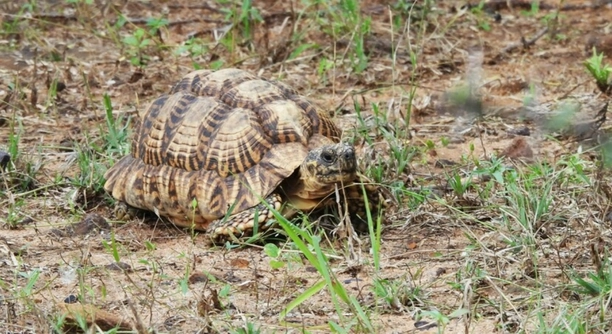
Certain foods, though seemingly harmless, could be damaging your star tortoise. Understanding what to avoid will help ensure their well-being and a long, healthy life. It is crucial to be mindful of what you feed them.
The foods you offer to your star tortoise can have a significant impact on their health. Foods high in oxalates, phosphorus, and fats can lead to kidney problems, digestive issues, and other health complications if consumed regularly.
By identifying the harmful foods and adjusting your tortoise’s diet, you can support their overall health.
Foods High in Oxalates
Oxalates are naturally occurring compounds found in many plants. While they are not harmful in small amounts, consuming too much can lead to kidney stones or other health issues in your star tortoise. Foods like spinach, kale, and sweet potatoes have high oxalate levels. When feeding your tortoise, it’s essential to offer these foods in moderation. Too much oxalate can interfere with calcium absorption, leading to bone issues and metabolic disorders.
Feeding a variety of low-oxalate vegetables can help avoid this problem. Always ensure your star tortoise has access to calcium-rich foods, such as leafy greens like dandelion greens, and offer them in balanced portions.
To support the overall health of your star tortoise, consider limiting high-oxalate foods. While some vegetables can be beneficial, their excessive consumption can prevent proper calcium uptake, ultimately affecting the tortoise’s health. Be mindful of the food choices you make and adjust accordingly.
Foods High in Phosphorus
Phosphorus is another element that should be consumed in balance. Foods like beans, peas, and broccoli contain high levels of phosphorus, which can cause an imbalance in the calcium-to-phosphorus ratio. This ratio is crucial for maintaining strong bones.
A balanced diet with a higher calcium intake can help counteract the negative effects of phosphorus. Avoid foods that are high in phosphorus and offer calcium-rich foods to maintain this balance. Regular adjustments to your tortoise’s diet will help ensure they get the right nutrients.
Feeding a tortoise too many foods high in phosphorus without adequate calcium can lead to serious health issues, such as weak bones and metabolic bone disease. This condition can cause pain and deformities, affecting your tortoise’s mobility. Keeping the ratio in check is vital for long-term health.
Foods High in Fats
Foods high in fats, like avocados and nuts, should be limited in your star tortoise’s diet. While these foods provide some essential nutrients, they can also lead to obesity and other health problems when overfed. Excessive fat can affect their digestive system, causing issues with metabolism.
When feeding your star tortoise, offer low-fat foods such as grasses, leafy vegetables, and fruits like berries. These foods are low in calories and fats but still provide vital nutrients that promote health. Offering a variety of these foods ensures your tortoise receives a balanced diet.
Feeding your tortoise fatty foods in excess can increase the risk of obesity and lead to heart disease. Keeping their diet low in fats will support better digestion and overall health. Consider feeding them foods with healthy fiber to aid digestion and provide them with the necessary vitamins and minerals.
Processed Foods
Processed foods, such as pre-packaged salads, should not be a part of your star tortoise’s diet. These foods often contain added chemicals, preservatives, and excessive amounts of sodium, all of which can harm your tortoise’s health. Such ingredients may disrupt their digestive system or lead to dehydration.
It’s essential to stick to fresh, natural foods for your star tortoise. Fresh vegetables, fruits, and other greens provide the nutrients needed for healthy growth and longevity. They also avoid the risks associated with chemical additives found in processed foods.
Processed foods also lack the necessary fiber that your tortoise needs for proper digestion. Without fiber, they may experience constipation or other digestive issues. To support a balanced diet, stick to whole, fresh foods that will nourish your star tortoise in the long run.
Fruits High in Sugar
Fruits like grapes, bananas, and apples contain high sugar levels that may not be suitable for your star tortoise. While fruit can be a healthy treat in moderation, overfeeding sugary fruits can lead to weight gain and other metabolic issues.
Offering fruits sparingly, as part of a balanced diet, ensures your star tortoise enjoys the occasional treat without harm. Opt for fruits that are lower in sugar, like berries, to reduce risks. By controlling their sugar intake, your tortoise will maintain a healthier weight and avoid digestive disruptions.
Dairy Products
Dairy products are not suitable for star tortoises. Many tortoises are lactose intolerant, which means they can’t properly digest dairy, leading to stomach upset or worse. Tortoises lack the necessary enzymes to break down lactose, so feeding them dairy can cause digestive distress.
Avoid offering milk, cheese, or yogurt to your tortoise to prevent unnecessary complications. Stick to plant-based foods that suit their digestive system.
FAQ
Can I feed my star tortoise lettuce?
Lettuce can be fed to your star tortoise, but it should be in moderation. Iceberg lettuce, in particular, lacks essential nutrients and has a high water content, which might cause digestive issues. Opt for darker, nutrient-rich leafy greens like romaine or dandelion greens, which provide more value to your tortoise’s diet.
Is it safe to feed my star tortoise meat?
No, star tortoises are herbivores, and feeding them meat is not recommended. Their digestive system is not equipped to process animal protein. Offering a diet of fruits, vegetables, and grasses is best. Adding meat can upset their digestive balance and cause health issues.
How often should I feed my star tortoise?
It’s important to feed your star tortoise regularly, but not excessively. Juveniles should be fed daily, while adults typically require food every two to three days. Make sure to provide a variety of vegetables, greens, and occasional fruits. Always ensure fresh water is available.
Can I feed my star tortoise spinach?
Spinach is not harmful when given in small amounts but should not be a regular part of their diet. It contains high levels of oxalates, which can interfere with calcium absorption and may lead to kidney issues. Use spinach occasionally and not as a main food source.
Should I offer my star tortoise fruits regularly?
Fruits should be offered sparingly. While they can be a tasty treat, many fruits are high in sugar, which can cause health problems if overfed. Stick to low-sugar options like berries and avoid giving fruit every day. A balanced diet is key.
Can I give my star tortoise flowers?
Yes, some flowers are safe for your star tortoise to eat. Flowers like hibiscus, dandelions, and geraniums are excellent options. Avoid flowers that may be toxic, like lilies, or any that have been treated with pesticides. Always research the flower to ensure it’s safe before offering it.
What vegetables should I avoid feeding my star tortoise?
Avoid feeding your star tortoise vegetables high in oxalates or phosphorus, such as beet greens, sweet potatoes, and certain types of kale. These can interfere with calcium absorption and cause metabolic issues. Stick to safe options like dandelion greens, collard greens, and turnip greens.
Is it okay to feed my star tortoise carrots?
Carrots can be given to your star tortoise, but only in moderation. While they contain important nutrients like vitamin A, feeding them too much can lead to an imbalance. Carrots are also high in sugar, so they should only be an occasional part of their diet.
Can I feed my star tortoise bread or crackers?
No, bread and crackers should not be fed to your star tortoise. These foods are not nutritious for them and can lead to digestive issues or obesity. Stick to a diet of fresh vegetables, leafy greens, and occasional fruits for proper nutrition.
How do I know if my star tortoise is eating enough?
Monitor your star tortoise’s weight and general behavior. A healthy tortoise should be active, have clear eyes, and show interest in food. If your tortoise is not eating regularly, it could be a sign of stress, illness, or an imbalanced diet. Consulting a vet is always a good idea if you’re concerned.
Should I feed my star tortoise food from the wild?
Feeding food from the wild can be risky because of potential pesticides, pollution, and contamination. Wild plants can also be toxic to your star tortoise. It’s safer to stick to known safe, pesticide-free plants and foods from trusted sources to ensure your tortoise’s health.
Can I feed my star tortoise processed food?
Processed foods should be avoided in your star tortoise’s diet. They often contain preservatives, excess salt, and artificial chemicals that can harm your tortoise’s health. Always choose fresh, whole foods for a balanced diet and to promote better digestion and overall well-being.
How do I provide calcium for my star tortoise?
Calcium is vital for your star tortoise’s bone health. Offer calcium-rich foods like dandelion greens and collard greens. You can also provide calcium supplements, but make sure they’re designed for reptiles. Ensure the calcium is available and in the right proportions to maintain bone strength.
Can I feed my star tortoise cucumber?
Cucumber is safe for your star tortoise to eat in small amounts. It’s hydrating, but it doesn’t provide much nutritional value. Cucumber can be offered as an occasional treat, but it shouldn’t be a main part of their diet. Balance it with more nutritious options.
How can I ensure my star tortoise is getting a balanced diet?
To ensure a balanced diet for your star tortoise, offer a variety of dark leafy greens, grasses, and a small amount of fruit. Avoid feeding too many high-oxalate or high-phosphorus foods. Provide fresh water daily and supplement with calcium to support strong bones.
Final Thoughts
Feeding a star tortoise requires careful consideration of their dietary needs. Providing the right balance of vegetables, fruits, and greens is essential for maintaining their health. A varied diet of high-fiber plants, such as dandelion greens, collard greens, and grasses, should make up the majority of their intake. These foods provide the necessary nutrients for healthy digestion and bone strength. Avoid overfeeding fruits and sugary foods, as these can lead to health problems like obesity or digestive upset. Offering occasional treats is fine, but the primary focus should be on the proper diet to ensure long-term well-being.
In addition to the right food, water is a critical aspect of your star tortoise’s diet. Always make sure fresh water is available at all times. Dehydration can lead to serious health issues, including kidney problems and digestive troubles. Provide a shallow dish of water for easy access, but be sure it is changed daily to maintain cleanliness. Proper hydration is just as important as food for keeping your tortoise healthy and active. Consider the temperature and humidity of the environment as well, as these factors also affect their ability to digest food and stay hydrated.
By being mindful of your star tortoise’s dietary needs, you can ensure they thrive. Regular monitoring of their weight, behavior, and appetite will help you gauge whether their diet is on track. If you notice any signs of health issues, such as lethargy, loss of appetite, or changes in stool consistency, it’s essential to consult with a veterinarian. A well-balanced diet, proper hydration, and regular vet checkups are key components of keeping your star tortoise happy and healthy for years to come.

Hello,
If you enjoy the content that we create, please consider saying a "Thank You!" by leaving a tip.
Every little bit helps us continue crafting quality advice that supports the health, happiness, and well-being of pets around the world, for pets of all shapes, sizes, and species.
We really appreciate the kindness and support that you show us!