
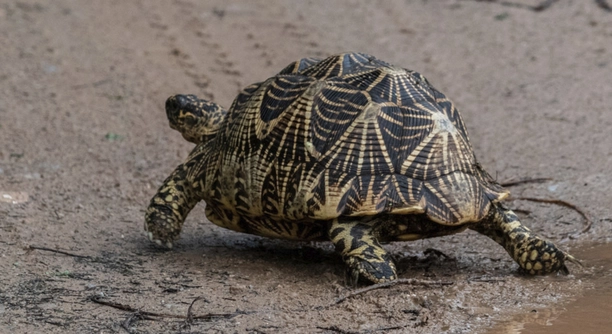
Star tortoises are fascinating creatures, but when you notice your tortoise scraping its shell, it might cause some concern. Understanding their behavior can help ensure their well-being.
Scraping behavior in star tortoises can result from a variety of factors, including environmental stress, shell health, or natural instincts. It’s important to monitor their behavior closely to rule out health problems and provide proper care.
There are multiple reasons why your star tortoise might be scraping its shell. Learning about these causes will help you care for your pet effectively and address any underlying issues.
Environmental Stress
Star tortoises can be very sensitive to their surroundings. If their habitat isn’t right, they may start scraping their shell. Stress from improper temperature, humidity, or lighting can cause discomfort. These factors play a crucial role in their overall well-being. Without the proper environment, your tortoise may not feel secure and safe.
Creating an ideal environment for your star tortoise includes a warm basking spot, proper UVB lighting, and access to fresh water. Be sure to check the temperature regularly and adjust the humidity as needed. Stress from changes in their living space, like loud noises or sudden movements, may also trigger shell scraping.
Maintaining a consistent environment is key. Star tortoises are creatures of habit, and disruptions can cause them to act out in ways like shell scraping. It’s essential to regularly monitor their living conditions. Any major changes in their habitat can leave them feeling vulnerable, which may lead them to display stress-induced behaviors. Make sure they have enough space to roam and hide, as overcrowding can lead to anxiety. Taking care of their environment is one of the easiest ways to prevent unnecessary stress.
Shell Health
If your star tortoise is scraping its shell, it could be due to issues with shell health. A damaged or unhealthy shell may cause your tortoise to attempt to rub or scrape it. Injuries or infections could lead to discomfort.
A common cause of shell damage is poor nutrition. If the tortoise’s diet lacks essential vitamins and minerals, it can affect shell development. A diet rich in calcium and vitamin D is essential for strong, healthy shells. Offering a variety of safe leafy greens and occasional supplements can prevent shell-related problems. Ensuring your star tortoise’s shell is in good condition is important for its overall health. Scraping may be a sign of an underlying issue, such as soft or brittle areas that need attention. Keeping a close eye on their diet and shell condition will help identify any potential problems before they worsen.
Lack of Stimulation
Star tortoises are intelligent animals that require mental stimulation. If they aren’t getting enough exercise or enrichment, they may start scraping their shells out of boredom. This behavior can be a way of trying to escape or seek out something more interesting. They need an environment that challenges them both physically and mentally.
Providing your tortoise with toys, climbing structures, or objects to interact with can help keep them occupied. A dull environment without variety may make them feel restless. Offering different types of hiding spots and textures for them to explore can add variety to their space. This encourages natural behaviors and helps prevent boredom-driven scraping. It’s also essential to rotate items in their habitat to maintain their interest. Star tortoises are naturally curious creatures, and offering them enrichment opportunities will allow them to stay happy and healthy. By creating a stimulating environment, you’re likely to see a reduction in unwanted behaviors like shell scraping.
Behavior or Instinct
In some cases, shell scraping might be part of a natural behavior. Tortoises often scrape or rub against surfaces to keep their shells clean. This action can help remove debris, dirt, or old skin. It’s part of their instinct to maintain their hygiene.
However, there’s a fine line between natural behavior and an indication of distress. If the scraping becomes excessive, it may signal a deeper issue like stress or an environmental problem. Observing the behavior closely can give you more insight into whether it’s purely instinct or if something is wrong. Keeping their environment clean and regularly offering opportunities to move around and rub against safe surfaces can support this instinct. Just make sure there are no sharp or harmful objects in their habitat that could lead to injury.
Inadequate Diet
An improper diet can lead to shell scraping behavior. If your star tortoise isn’t getting the right nutrients, it may start scraping its shell to relieve discomfort or irritation. Calcium and vitamin D3 are essential for shell health.
A lack of calcium, in particular, leads to soft and brittle shells, making your tortoise more likely to scrape. Ensure your tortoise has access to leafy greens like kale and dandelion greens. Supplementing their diet with calcium powder and providing UVB lighting are also crucial steps. This lighting helps your tortoise process calcium properly. Avoid feeding them too many high-oxalate foods, as these can block calcium absorption and further contribute to shell issues.
If your tortoise is scraping its shell, it’s important to review its diet. A balanced diet with proper nutrition can prevent health issues that lead to discomfort. In addition to calcium and vitamin D3, ensure they are getting a variety of foods that offer essential vitamins and minerals. Healthy feeding habits can make a big difference in their shell condition and overall well-being. Avoid sudden dietary changes and stick to a routine that supports their health in the long term.
Overcrowding
Overcrowding in the tortoise’s enclosure is another reason for shell scraping. When multiple tortoises are kept in a small space, they often experience stress and discomfort, which can lead to abnormal behaviors like scraping.
A crowded environment can make your tortoise feel trapped and anxious. This stress may prompt them to scrape their shells against the sides of their enclosure in an attempt to escape. It’s important to provide enough space for each tortoise to roam freely. Each tortoise requires its own area to establish boundaries and feel safe. Overcrowding not only leads to scraping but also increases the risk of health problems and aggression between tortoises.
To prevent overcrowding, make sure your enclosure is large enough to accommodate your tortoise comfortably. If you have multiple tortoises, you’ll need to provide separate areas for them to minimize stress. Tortoises are territorial, and too many in one space can lead to constant competition for food and shelter. Be sure to assess your enclosure’s size and the number of tortoises living there to avoid overcrowding and reduce stress-driven scraping behavior. Proper space and individual territories are key to keeping your tortoise calm and healthy.
Shell Mites
Shell mites are tiny parasites that can cause irritation and discomfort, leading to shell scraping. If your tortoise is scraping its shell, mites could be the cause of the problem. Check for visible signs of these pests.
Mites are difficult to spot, but they can cause your tortoise’s skin to flake off. Scraping behavior may occur as the tortoise tries to relieve the itching caused by the mites. If you notice white or red patches on the shell or skin, this may be a sign of an infestation. It’s important to treat the infection promptly to prevent further damage to the shell.
Basking Issues
Improper basking conditions can lead to discomfort in your star tortoise. Scraping its shell might be a result of inadequate basking areas. Tortoises need a warm spot to help digest their food and maintain proper health.
Ensure the basking area is set to the correct temperature, typically between 90°F and 95°F. If it’s too cold, your tortoise may experience stress or discomfort, leading to unusual behaviors like shell scraping. Likewise, providing UVB lighting is crucial for proper calcium absorption. Without adequate UVB exposure, your tortoise may struggle with shell health, which could lead to scraping. A properly heated and lit basking area helps support overall well-being.
FAQ
What causes my star tortoise to scrape its shell?
Scraping can be caused by various factors, including stress, shell health issues, inadequate diet, or environmental problems. Star tortoises may scrape their shells to relieve discomfort from a poor environment, unhealthy diet, or even pests like mites. It’s important to assess their habitat, diet, and behavior to identify the exact cause.
Can a poor diet lead to shell scraping?
Yes, a poor diet can contribute to shell scraping. Tortoises require a balanced diet, particularly rich in calcium and vitamin D3, to maintain a healthy shell. Without these essential nutrients, their shells can become weak or soft, causing them to scrape or rub against surfaces to alleviate discomfort. Make sure your tortoise gets enough leafy greens and calcium supplements for optimal shell health.
Are there any signs that my tortoise might have shell mites?
Shell mites are small and often hard to see, but they can cause irritation that leads to shell scraping. Common signs include patches of white or red areas on the shell, skin peeling, and abnormal behavior like constant rubbing. If you notice these signs, it’s a good idea to consult a veterinarian to confirm the presence of mites and receive appropriate treatment.
How can I ensure my star tortoise’s habitat is suitable?
A suitable habitat is crucial for your tortoise’s well-being. Make sure the enclosure is large enough for your tortoise to move around freely. Provide a warm basking spot (90°F-95°F), UVB lighting, and a cool area for your tortoise to retreat. The humidity should also be monitored and kept at appropriate levels. Regularly check the temperature and lighting, and ensure there are no sharp objects or overcrowding that could lead to stress or scraping.
What is the best way to prevent shell scraping?
The best way to prevent shell scraping is by providing a balanced diet, a clean and appropriate habitat, and enough space for your tortoise to explore. Regularly check the enclosure’s temperature, humidity, and lighting. Offer mental stimulation through toys or climbing structures. Also, monitor your tortoise for any signs of illness or injury.
Can I use any remedies to treat shell mites?
If you suspect shell mites, consult a veterinarian for proper diagnosis and treatment. Typically, your vet will recommend a mite treatment solution, which could include medicated baths or topical treatments. Ensure your tortoise’s enclosure is cleaned thoroughly to remove any mites and prevent reinfestation. Follow your vet’s advice to keep your tortoise safe and comfortable.
How often should I check my star tortoise’s shell for health issues?
It’s a good practice to check your tortoise’s shell regularly. This includes looking for signs of damage, dryness, soft spots, or discoloration. Checking every few weeks will help you catch any problems early, such as cracks, infections, or signs of nutritional deficiency. The earlier you spot issues, the easier it is to address them.
How do I properly supplement my star tortoise’s diet?
Supplements are important if your tortoise isn’t getting enough calcium or vitamin D3 from its food. Calcium powder can be sprinkled on their food a few times a week, and vitamin D3 supplements can help with calcium absorption. Be careful not to over-supplement, as this can lead to other health problems. Consulting with a vet on proper supplementation is always a good idea to avoid nutritional imbalances.
Can overcrowding affect my tortoise’s behavior?
Yes, overcrowding can lead to stress, which can trigger abnormal behaviors like shell scraping. Tortoises are territorial creatures and need space to roam. If they’re kept in a cramped environment with other tortoises, they may become anxious, which can lead to shell scraping and other signs of stress. Ensure your enclosure is spacious enough to house your tortoise comfortably, with plenty of room for movement.
How do I provide mental stimulation for my star tortoise?
Mental stimulation is important for your tortoise’s well-being. You can provide enrichment by adding different textures, hiding spots, and objects like rocks or logs that your tortoise can climb or explore. Changing the layout of the enclosure every once in a while will keep things interesting and prevent boredom. Additionally, allowing your tortoise supervised outdoor time can also give it new things to discover.
Can I prevent shell scraping by providing more space?
Yes, providing more space can help reduce shell scraping, especially if overcrowding is the issue. Tortoises need room to roam and establish their own territory. If they feel confined or stressed due to a small living area, they may resort to behaviors like scraping their shells. A larger enclosure will give your tortoise the space it needs to feel safe and comfortable.
Should I be concerned if my tortoise scrapes its shell occasionally?
Occasional shell scraping can be normal if it’s done in a calm, controlled manner and is part of their natural cleaning behavior. However, frequent or aggressive scraping can be a sign of stress, health issues, or environmental problems. If you notice your tortoise scraping excessively or with urgency, it’s important to investigate the cause and address it.
Final Thoughts
Understanding why your star tortoise is scraping its shell can help ensure its health and well-being. It’s important to observe the behavior closely and consider factors such as its environment, diet, and potential health issues. While occasional shell scraping may not be cause for concern, frequent or aggressive scraping can signal stress, discomfort, or a need for change. Keeping an eye on your tortoise’s behavior and habits will help you identify any problems early and take the necessary steps to address them.
Providing the right environment is key to keeping your star tortoise happy. Make sure its enclosure has proper temperature control, UVB lighting, and enough space to roam. Tortoises are sensitive to changes in their habitat, so try to maintain consistency. Stress can easily cause them to act out, and shell scraping might be a sign of that. A proper diet is equally important. Ensure that your tortoise is getting enough calcium, vitamin D3, and other essential nutrients. A balanced diet can go a long way in preventing shell damage and promoting healthy growth.
If you notice any signs of shell mites, overcrowding, or poor shell health, it’s important to take action. Regularly check your tortoise’s shell and look for signs of damage, infection, or irritations. If the scraping continues or worsens, consulting with a veterinarian is always a good step to ensure your pet gets the proper care. By maintaining a balanced diet, a clean and safe environment, and providing mental stimulation, you can help your star tortoise live a long, healthy life without unnecessary stress or discomfort.

Hello,
If you enjoy the content that we create, please consider saying a "Thank You!" by leaving a tip.
Every little bit helps us continue crafting quality advice that supports the health, happiness, and well-being of pets around the world, for pets of all shapes, sizes, and species.
We really appreciate the kindness and support that you show us!