
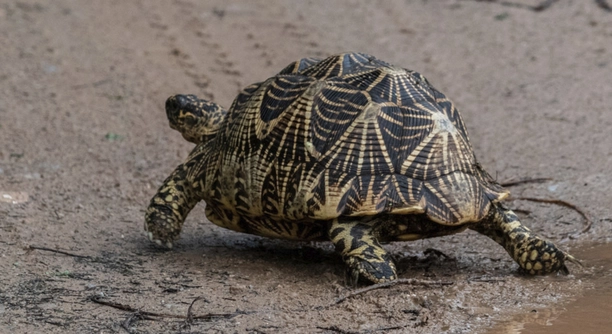
Aggression in male star tortoises can be a challenge for owners, but understanding why it happens and how to address it is key to creating a calmer environment. This article offers practical tips to reduce aggressive behaviors.
To reduce aggression in male star tortoises, it’s essential to identify triggers, provide a suitable environment, and use techniques like distraction, diet changes, and controlled introductions. Ensuring proper space and avoiding overpopulation also helps to minimize aggression.
Making simple adjustments can lead to a more peaceful coexistence. By implementing these strategies, you will enhance the well-being of your star tortoise and reduce unnecessary stress for both you and your pet.
Identifying the Causes of Aggression
Aggression in male star tortoises can be a result of several factors. One of the most common reasons is territorial behavior, which is triggered by overcrowded enclosures. If multiple males are housed together in a small space, they may fight for dominance and control. Another cause can be environmental stress. Poor living conditions, such as inconsistent temperatures or humidity, can contribute to a tortoise’s irritability. Additionally, age plays a role—adult males are often more territorial and protective during mating season. Hormonal changes also affect behavior, making males more aggressive. Finally, a lack of proper socialization or enrichment can lead to frustration and aggressive tendencies. Understanding these causes is crucial to finding solutions.
Male tortoises need ample space to reduce the likelihood of aggressive behavior. By paying attention to their environment, their chances of aggression can be minimized.
A key factor in reducing aggression is ensuring your male star tortoise has enough room. Providing a larger habitat, where each tortoise can have its own space, reduces the likelihood of territorial disputes. Proper temperature and humidity also promote calmness, as tortoises feel secure when their needs are met. If there is a chance of overcrowding, consider separating the males. This will give each tortoise space to move freely and reduce the stress that leads to fighting. Additionally, introducing more hiding spots and providing climbing areas can help prevent frustration and territorial clashes. These changes can make a big difference in your tortoise’s behavior.
Modifying the Environment to Encourage Calm
Creating the right environment for a male star tortoise goes beyond just providing space. The temperature and humidity levels must also be kept within the ideal range. Tortoises become stressed when their environment is too hot, too cold, or too dry. Regularly monitor these factors to avoid discomfort. It’s essential to provide a basking area with controlled heat and a cooler area where the tortoises can retreat. Fresh, clean water and a proper substrate for digging are also vital for a tortoise’s well-being. When these basic needs are met, the tortoise is more likely to feel secure and less inclined to act aggressively.
Environmental adjustments, such as temperature regulation and providing a proper diet, directly impact a star tortoise’s behavior.
Offering a proper diet also plays a role in reducing aggression. Tortoises need a variety of foods, including leafy greens, vegetables, and occasional fruits. A balanced diet not only promotes good health but can also prevent irritability and aggression caused by nutritional imbalances. Keep in mind that stress and aggression can also arise from a lack of enrichment. Without things to do, like climbing or exploring, tortoises can grow restless. Providing a variety of textures and objects for your tortoise to interact with, such as logs and rocks, can create a more stimulating environment that reduces frustration. These simple changes can make your tortoise more content and less aggressive.
Distraction and Redirecting Aggressive Behavior
Distraction can be a simple yet effective way to manage aggression in male star tortoises. Using objects like food, toys, or even changing the environment slightly can take the tortoises’ attention away from fighting. This redirection helps avoid direct confrontations.
Introducing food at different times for each tortoise can prevent them from focusing on each other. You can also place a new object in their enclosure, like a rock or a piece of wood, to divert their attention and encourage exploration. If you notice one tortoise getting aggressive, distracting it with something novel in its environment can prevent further tension. It’s essential to stay consistent with these methods and ensure each tortoise has an opportunity to explore without encountering constant aggression from others. These small changes can go a long way in managing negative behaviors.
Another method to redirect aggression is through controlled interaction. If your tortoises are housed together but showing signs of aggression, you can allow short periods of interaction under supervision. By carefully monitoring their behavior, you can intervene if any aggressive actions begin. When controlled properly, this can reduce the territorial instincts that contribute to aggression. This method requires patience but can be beneficial in giving them the chance to bond without the risk of constant fighting. Over time, these controlled interactions may help alleviate the territorial behavior that often leads to aggression.
Diet and Nutritional Adjustments to Manage Aggression
Diet plays an important role in reducing aggression in male star tortoises. A lack of proper nutrition can increase irritability and make them more prone to aggressive behaviors. Ensure that your tortoise receives a balanced diet rich in fiber, calcium, and essential vitamins.
A proper diet contributes to the overall health and well-being of your star tortoise. It helps stabilize their mood and energy levels, reducing frustration that can lead to aggression. Offering a variety of leafy greens and vegetables is a great way to promote health and calmness. Avoid overfeeding or providing too much protein, as this can make them more restless. By maintaining a nutritious feeding routine, you can ensure that your tortoise is less likely to become aggressive. This simple adjustment to their diet can significantly reduce stress and improve their temperament. Over time, you’ll notice a calmer, more content tortoise.
Calcium and vitamin D are especially important for male star tortoises. Inadequate calcium levels can lead to weakness and poor health, increasing frustration in the tortoise. Supplementing their diet with calcium powder or providing access to a cuttlebone will help keep their bones strong and prevent aggressive behaviors related to stress or discomfort. A balanced diet doesn’t just impact health; it also impacts behavior. A tortoise that feels physically healthy and satisfied will be less likely to display aggression towards others. Make sure you offer variety and balance to ensure their nutritional needs are met.
Introducing Tortoises Slowly to Each Other
Introducing male star tortoises to each other gradually can help reduce aggression. If you’re adding a new tortoise, don’t rush the process. Slow introductions help them adjust and reduce territorial behavior.
To introduce tortoises, start by letting them observe each other from a distance. Place them in adjacent enclosures so they can see each other without direct interaction. This helps them get used to each other’s presence without the stress of an immediate confrontation. Over time, you can allow brief, supervised encounters, gradually increasing their time together as they become more comfortable. This slow approach reduces the chances of aggressive behavior, ensuring a smoother transition.
If they continue to show signs of aggression, it may be best to separate them temporarily. Reintroducing them at a later time or trying new techniques can make a difference. It’s important to remain patient and monitor their interactions closely to keep aggression at bay.
Providing Hiding Spots and Enrichment
Adding hiding spots to your tortoises’ enclosure can reduce stress and aggression. When tortoises feel threatened or overstimulated, they need a safe space to retreat.
Hiding spots help give your star tortoises a sense of security. These spaces can be made from logs, rocks, or plants that provide shelter. By creating areas where tortoises can escape and feel safe, you encourage calmer behavior. A tortoise that has a place to hide from others will be less likely to engage in aggressive actions. This is particularly helpful in multi-tortoise environments, where the stress of proximity can trigger aggression.
Keeping the Habitat Clean and Comfortable
Maintaining a clean habitat is essential for reducing aggression in male star tortoises. A dirty or overcrowded enclosure can increase stress, which may lead to frustration and territorial behaviors.
Regularly clean the habitat to remove waste and prevent the buildup of bacteria, which can lead to illness. A clean environment promotes physical and mental well-being for your tortoises. Additionally, make sure they have a suitable substrate for burrowing or resting. If the habitat feels comfortable and well-maintained, your tortoises are more likely to be calm and peaceful.
FAQ
Why are my male star tortoises fighting?
Male star tortoises often fight due to territorial instincts, especially if multiple males are housed in a small space. Overcrowding is one of the most common causes of aggression. Male tortoises are naturally more territorial, and they fight to establish dominance. Hormonal changes during the mating season can also increase aggression. Inadequate space, environmental stress, and lack of proper socialization can all contribute to heightened aggression. It’s important to ensure that they have enough room and proper care to reduce fighting.
How can I prevent aggression in my star tortoises?
To prevent aggression, make sure your star tortoises have ample space to move around. Overcrowding should be avoided at all costs. Create a comfortable environment with appropriate temperature, humidity, and hiding spots. Gradual introductions between tortoises will also help them adjust to one another. Additionally, consider using distraction techniques, such as providing food or new objects, to redirect their attention from one another. Keeping their habitat clean and maintaining a balanced diet can also help reduce aggressive behavior.
Is it okay to house multiple male star tortoises together?
Housing multiple male star tortoises together can lead to aggression, especially if the enclosure is too small. Male tortoises are naturally territorial and may fight over space and resources. To prevent this, ensure the enclosure is large enough to give each tortoise their own area. You can also try introducing them slowly and monitor their behavior closely. If they show signs of aggression, it’s best to separate them. In some cases, it’s more effective to house them separately to avoid stress and injuries.
How much space do male star tortoises need?
Male star tortoises need a minimum of 10 square feet of space per tortoise. However, more space is always better to reduce the chance of territorial disputes. A larger enclosure allows the tortoises to move around freely and escape any aggressive interactions. Adding barriers like rocks or logs can also provide visual separation and create a sense of personal space. The more room you can provide, the more likely your tortoises will feel secure and avoid fighting.
Can I stop aggressive behavior by changing their diet?
Yes, diet plays an important role in managing aggression. If your star tortoises aren’t getting the proper nutrition, they may become frustrated or irritable, which can lead to aggressive behavior. A balanced diet, rich in fiber and calcium, helps maintain their overall health and reduces stress. Avoid overfeeding or offering too much protein, as this can cause restlessness. Supplementing their diet with calcium powder and offering a variety of fresh greens can also help keep them calm and content.
How do I introduce two male star tortoises safely?
Introducing male star tortoises requires patience and careful monitoring. Start by placing them in adjacent enclosures so they can see each other without direct contact. This helps them become familiar with one another’s presence. After a few days, allow brief, supervised encounters, keeping a close eye on their behavior. If they show aggression, separate them and try again later. Gradual introductions reduce the likelihood of territorial fighting and help them adjust to each other’s presence. Always separate them if aggression becomes too intense.
Are there specific signs that show my tortoises are getting too aggressive?
Signs of aggression in male star tortoises include chasing, biting, and butting heads. If you notice one tortoise trying to climb on top of another or constantly engaging in aggressive physical behavior, it’s a sign they’re competing for dominance. You might also see them hissing or showing defensive postures, like retracting into their shells. If these behaviors continue for extended periods, it’s crucial to intervene. Separating the tortoises or introducing distractions can help break up aggressive encounters.
Should I separate my tortoises if they’re showing signs of aggression?
Yes, if your male star tortoises are showing consistent aggression, it’s best to separate them. Aggression can cause injuries, stress, and long-term behavioral problems. If the enclosure is too small, overcrowding could be the main cause, and increasing their space might resolve the issue. Separate them and give each tortoise enough room to feel secure. If possible, offer each one their own private space with hiding spots. Separation can reduce stress and aggression and promote a healthier environment for your tortoises.
How can environmental changes help reduce aggression in my tortoises?
Environmental changes can make a big difference in reducing aggression. Male star tortoises often become aggressive when they feel threatened or overcrowded. By adjusting the temperature, humidity, and overall layout of the enclosure, you can create a more comfortable and secure environment. Make sure the basking area is at the correct temperature and provide a cooler area for your tortoises to retreat to when needed. Adding more hiding spots and enrichment objects like rocks or logs can help distract them and reduce territorial disputes.
What types of enrichment should I provide to reduce aggression?
To reduce aggression, offer a variety of enrichment items such as rocks, logs, and plants that your tortoises can climb or hide behind. These items not only create a more interesting environment but also provide each tortoise with their own space. Burrowing opportunities, such as soft substrate, can also help them feel secure and give them a place to retreat when they’re feeling stressed. The more enrichment you provide, the less likely your tortoises will become bored and aggressive.
How can I manage aggression during the breeding season?
During the breeding season, male star tortoises are more likely to show aggression due to hormonal changes. If you’re noticing increased aggression during this time, it’s important to give them extra space. Provide plenty of hiding spots and separate them if needed. Consider reducing interactions with other tortoises to minimize stress. During this period, it’s also helpful to focus on their diet and health, ensuring they are getting proper nutrition to keep them strong but not overly stimulated. Reducing external stressors can help calm them during the breeding season.
Final Thoughts
Managing aggression in male star tortoises is essential for maintaining a peaceful environment. By understanding the causes of aggression, such as territorial behavior, overcrowding, or stress, you can take steps to address the issue. Creating an ideal habitat with enough space, proper temperature, and hiding spots is key to reducing aggressive tendencies. Regularly monitoring their behavior and adjusting their environment as needed will help ensure their well-being. Additionally, providing them with a balanced diet can contribute to their calmness and overall health, reducing the chance of aggression due to frustration or malnutrition.
It’s important to be patient when dealing with aggression in tortoises. Each tortoise is unique, and finding the right balance of space, diet, and environmental changes can take time. Using distraction techniques, such as food or toys, can also help divert their attention away from aggressive behavior. Slowly introducing tortoises to each other and monitoring their interactions is another effective way to prevent conflicts. If aggression continues despite these measures, it may be necessary to separate the tortoises to avoid harm and stress. With time, these efforts can help foster a healthier, more peaceful relationship between your star tortoises.
In the end, the key to managing aggression in male star tortoises lies in creating a secure and comfortable environment that meets their needs. A balance of proper space, nutrition, enrichment, and patience will help reduce stress and aggression. When the tortoises feel safe and secure in their habitat, they are more likely to behave calmly and peacefully. While managing aggression can take effort, with consistent care and attention, you’ll help your male star tortoises live a healthier and happier life.

Hello,
If you enjoy the content that we create, please consider saying a "Thank You!" by leaving a tip.
Every little bit helps us continue crafting quality advice that supports the health, happiness, and well-being of pets around the world, for pets of all shapes, sizes, and species.
We really appreciate the kindness and support that you show us!