
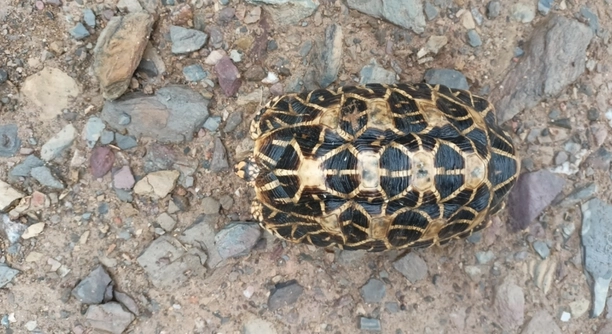
Improving your star tortoise’s mobility is essential for its overall health and well-being. These reptiles rely on their movement for foraging, exercise, and proper development. In this article, we will explore simple ways to enhance their mobility.
The most effective ways to improve your star tortoise’s mobility involve providing a suitable habitat, regular exercise, and a proper diet. Ensuring a clean and spacious environment, along with a balanced routine, will help support your tortoise’s natural movement and physical health.
By making a few adjustments to its daily care, you can help your star tortoise move more freely and comfortably.
Providing a Spacious Habitat
A spacious habitat is one of the most important factors in improving your star tortoise’s mobility. A cramped enclosure limits its ability to move freely, leading to stress and potential health issues. Ideally, your tortoise should have a large area to roam, with plenty of space to explore and exercise. This will encourage natural behaviors, like walking and foraging, which are vital for maintaining its mobility.
The right size enclosure will allow your tortoise to stretch its legs, explore its environment, and get the exercise it needs. Try to provide a minimum of 40 square feet of space for one tortoise.
Additionally, the substrate you use is essential. Avoid materials that are too soft or hard, as they may hinder movement. Provide a mixture of sand and soil, which mimics its natural environment, giving your star tortoise the traction it needs to walk comfortably.
Regular Exercise and Activity
Just like humans, tortoises need regular exercise to stay fit and mobile. Without it, their muscles can weaken, and their joints can become stiff, limiting their movement. Offering opportunities for your star tortoise to walk, climb, and forage will help prevent these issues.
Make sure to offer a variety of environments in its habitat, including small ramps or uneven surfaces. These variations will encourage your tortoise to move in different ways and help build strength. You can also occasionally place food items in different parts of the enclosure to motivate your tortoise to explore more.
Exercising your star tortoise is not only crucial for maintaining its mobility, but it also helps with overall well-being. The activity stimulates its digestive system, which is vital for its health. You can even allow your tortoise to roam outside in a safe, enclosed area for added exercise.
By incorporating regular exercise into your star tortoise’s daily routine, you’ll notice improved movement and better overall health.
Offering a Balanced Diet
A balanced diet is essential to support your star tortoise’s mobility. Nutrient-rich food helps maintain muscle strength and joint flexibility. Include a variety of leafy greens, grasses, and vegetables that are high in fiber, calcium, and vitamins. This will ensure your tortoise remains healthy and active.
Calcium is especially important for star tortoises. It helps strengthen their bones and prevent issues like metabolic bone disease, which can restrict movement. You can add calcium supplements to their diet if necessary, but it’s best to consult a vet first.
Hydration is another factor to consider. Always ensure your tortoise has access to clean, fresh water. Dehydration can cause lethargy, affecting their mobility. Some tortoises also benefit from soaking in shallow water to stay hydrated and promote joint flexibility. Regular access to water supports their active lifestyle.
Keeping the Environment Clean
A clean environment plays a vital role in your star tortoise’s mobility. Regularly remove waste and uneaten food to prevent bacteria build-up, which can affect their health. A dirty habitat can lead to infections that cause pain and discomfort, limiting movement.
The substrate should be changed frequently, and the enclosure should be disinfected regularly. This not only helps in maintaining their health but also reduces stress. A clean space allows your tortoise to move without obstruction, and it can help maintain proper temperature and humidity levels, which are important for their well-being.
Adding hiding spots in the enclosure is also beneficial. These give your star tortoise a place to retreat and feel secure. When they feel comfortable, they are more likely to explore and move around. It’s crucial to maintain both cleanliness and comfort for your tortoise’s mobility.
Providing Proper Lighting
Proper lighting is essential for your star tortoise’s mobility. Exposure to UVB light helps them metabolize calcium, which is crucial for their bone health and overall movement. Without adequate lighting, their bones can become weak, affecting their ability to move freely.
Ensure that the lighting in their enclosure is appropriate for 12-14 hours each day. This mimics natural daylight patterns, promoting healthy activity and better mobility. UVB lights should be replaced every 6 months to ensure they remain effective. Always monitor the temperature and humidity levels, as improper lighting can stress your tortoise and hinder movement.
Temperature Control
Maintaining the right temperature is critical to your star tortoise’s overall well-being and mobility. A consistent temperature gradient within their enclosure allows them to regulate their body heat and stay active.
Too high or too low a temperature can make your tortoise sluggish and reduce its ability to move around. Ensure that the basking area stays between 90-95°F and the cooler side around 75-80°F. Use heat lamps and thermostats to maintain a steady temperature, providing a warm environment where your tortoise can remain active and comfortable.
Minimize Stress
Stress negatively impacts your star tortoise’s mobility and health. A stressed tortoise may exhibit less movement, become lethargic, and even stop eating. Avoid sudden changes in their environment and try to maintain a consistent routine.
Create a calm atmosphere by limiting loud noises or frequent handling. When they feel secure, they’re more likely to be active. Additionally, ensure their enclosure is large enough to provide space for both movement and resting. A relaxed tortoise will move around more and maintain better overall health.
FAQ
How can I tell if my star tortoise is in pain or has mobility issues?
Signs of pain or mobility issues in a star tortoise include difficulty walking, limping, or a noticeable lack of activity. If your tortoise seems to avoid moving, stays in one spot, or appears to be dragging its legs, it may be in discomfort. In such cases, check for any swelling, visible injuries, or deformities. Keep an eye out for changes in behavior, like a sudden lack of appetite or abnormal postures. If any of these signs are present, it’s best to consult a vet to address potential health issues.
What should I do if my star tortoise is not moving much?
If your star tortoise isn’t moving much, first check its environment. Ensure the enclosure is large enough, with adequate temperature and humidity levels. A proper diet and hydration are also crucial for their activity levels. Stress, inadequate lighting, or health problems can all lead to lethargy. If you’ve ruled out environmental factors and the tortoise continues to be inactive, it’s time to seek veterinary advice. Regular exercise, such as setting up foraging opportunities or small obstacles to climb, can encourage mobility.
Can a star tortoise’s diet affect its mobility?
Yes, diet plays a vital role in your star tortoise’s overall health and mobility. A balanced diet rich in calcium, fiber, and vitamins is necessary for healthy bones and muscles. Calcium deficiencies can lead to metabolic bone disease, which directly impacts mobility. Leafy greens, grasses, and some fruits should be staples in their diet, but make sure to avoid overfeeding high-oxalate foods like spinach. Regular access to fresh water is equally important, as dehydration can lead to lethargy, affecting their ability to move freely.
How much space does a star tortoise need to move around?
Star tortoises require a spacious habitat to encourage natural movement. A minimum of 40 square feet of space is recommended for one tortoise. Inadequate space can limit their ability to explore, leading to reduced exercise and potential health issues. The enclosure should also have different surfaces, such as ramps or rocks, to motivate the tortoise to climb or walk. A larger area allows your tortoise to exercise its muscles and joints, promoting healthier mobility.
What type of substrate is best for a star tortoise’s enclosure?
The best substrate for a star tortoise’s enclosure is a mix of sand and soil. This combination mimics their natural environment and provides sufficient traction for movement. Avoid substrates that are too soft, such as peat moss or wood shavings, which can cause slipping. Additionally, make sure the substrate is dry but not too dusty, as excess moisture can lead to fungal growth. Regular cleaning and replacing of the substrate will help maintain a clean and comfortable environment, supporting your tortoise’s mobility.
How often should I exercise my star tortoise?
Star tortoises benefit from daily exercise. Offering them opportunities to walk around, climb, and forage will help maintain muscle strength and flexibility. You can make their exercise more engaging by scattering food around their enclosure or placing obstacles like small ramps for them to climb. If possible, let them roam in a safe, enclosed outdoor area for additional exercise. However, make sure not to overexert them, especially in hot weather. Regular movement keeps their joints and muscles healthy, ensuring better mobility.
Can temperature affect my star tortoise’s movement?
Yes, temperature plays a significant role in your star tortoise’s mobility. If the temperature in the enclosure is too low, your tortoise may become sluggish and less active. On the other hand, high temperatures can also lead to overheating, causing discomfort and limiting movement. A proper temperature gradient within the enclosure should range from 75-80°F on the cooler side to 90-95°F in the basking area. This allows your tortoise to regulate its body temperature and remain active without feeling too hot or cold.
Is it okay to take my star tortoise outside for exercise?
Taking your star tortoise outside for exercise can be beneficial, as long as you ensure their safety. Outdoor time allows them to explore a larger area, encouraging natural movement. Just make sure the area is secure and free of predators, toxic plants, or hazards. You should supervise them closely and bring them back inside before the temperature drops or the sun becomes too intense. Additionally, ensure your outdoor space has appropriate hiding spots to reduce stress. Outdoor exercise can help maintain their mobility, but always ensure it’s done in a controlled manner.
What are common health problems that affect a star tortoise’s mobility?
Several health problems can affect a star tortoise’s mobility, including metabolic bone disease (due to calcium deficiency), shell deformities, and injuries. Overweight tortoises may also experience difficulty moving, which can put extra strain on their joints. Respiratory infections or parasites can cause lethargy and a lack of movement as well. If you notice any signs of pain, discomfort, or difficulty walking, it’s important to have a vet examine your tortoise. Regular check-ups can help prevent or catch these issues early, ensuring your tortoise remains mobile.
How can I prevent mobility issues in my star tortoise?
Preventing mobility issues in your star tortoise starts with providing a well-balanced diet, proper exercise, and a spacious, clean environment. Ensure your tortoise gets enough calcium and fiber to maintain healthy bones and muscles. Regularly clean their enclosure, check for proper lighting, and keep their environment stress-free. Daily exercise is essential to keeping them active and mobile. By addressing all these aspects of care, you can reduce the risk of mobility issues and ensure your star tortoise stays active and healthy.
Final Thoughts
Improving the mobility of your star tortoise is essential for its health and well-being. By ensuring proper lighting, temperature control, and diet, you can support its natural movements and prevent potential mobility issues. A suitable environment will encourage your tortoise to stay active, which is crucial for maintaining muscle strength and overall health. Providing the right care can help your star tortoise live a long, healthy life while maintaining its natural activity levels.
In addition to the basics of lighting, temperature, and diet, exercise is vital for encouraging your star tortoise to stay mobile. Allowing your tortoise to roam and explore its enclosure, or even giving it supervised outdoor time, will help it stay physically active. Exercise not only helps with mobility but also stimulates mental activity, preventing boredom. The more opportunities your tortoise has to move around, the healthier and more active it will be.
Addressing health concerns as soon as they arise is also important. Regular veterinary check-ups can help spot any potential issues that could impact your tortoise’s mobility. A sudden lack of movement, weight loss, or signs of pain should not be ignored. Quick intervention can prevent more serious problems from developing. With the right care, your star tortoise will enjoy a good quality of life, with the freedom to move comfortably and naturally.

Hello,
If you enjoy the content that we create, please consider saying a "Thank You!" by leaving a tip.
Every little bit helps us continue crafting quality advice that supports the health, happiness, and well-being of pets around the world, for pets of all shapes, sizes, and species.
We really appreciate the kindness and support that you show us!