
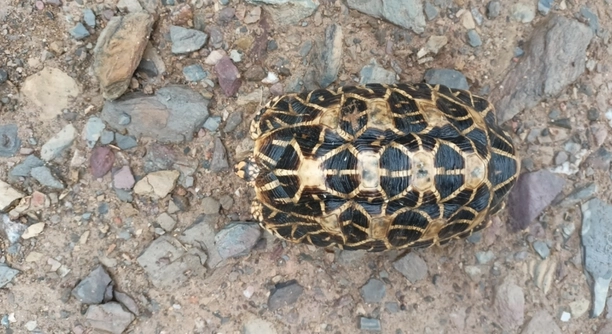
Star tortoises are lovely and peaceful creatures, but like any pet, they can face health issues. Respiratory infections are one of the most common health problems in star tortoises. Recognizing the signs early can help ensure they get the right care.
Respiratory infections in star tortoises are serious and require prompt attention. Key warning signs include nasal discharge, wheezing, or a decrease in activity. If left untreated, it can worsen, leading to complications like pneumonia.
Understanding these signs will allow you to take action quickly. Early treatment can make a significant difference in your tortoise’s recovery and overall well-being.
Nasal Discharge
Nasal discharge is one of the most noticeable signs that your star tortoise may be suffering from a respiratory infection. You might see liquid coming from their nose or mouth, which can be clear, cloudy, or even thick and greenish. This discharge can indicate inflammation or infection in the respiratory system. In some cases, it may also be accompanied by other symptoms, such as frequent sneezing or coughing. If you notice this sign, it is important to act quickly. Respiratory issues can progress rapidly and cause further complications, so timely attention is essential.
If the discharge persists for more than a day, it’s time to consult a vet.
Ignoring this symptom may allow the infection to worsen and spread, potentially leading to more serious conditions like pneumonia. Regularly check your tortoise’s nose area for any signs of discharge, and ensure that their living environment is clean and dry to help prevent further irritation.
Difficulty Breathing
Another common sign of respiratory infection in star tortoises is difficulty breathing. If your tortoise seems to struggle while breathing or breathes heavily, it may be an indicator that something is wrong. You may notice labored breathing or a change in their normal breathing pattern. This can happen due to fluid in the lungs or inflammation in the airways.
When a tortoise is struggling to breathe, it’s not just a sign of discomfort—it can also signal a life-threatening situation. Your tortoise may also exhibit shallow, rapid breathing or make wheezing sounds as they inhale. These signs should never be ignored.
Respiratory infections, especially when left untreated, can quickly escalate and cause irreversible damage to the lungs. It is crucial to provide proper care immediately by adjusting the tortoise’s environment, keeping it warm and humid to aid in recovery. Make sure they have a quiet, clean space to rest. Taking your tortoise to a vet will provide an accurate diagnosis and help in managing the infection effectively. The sooner you act, the better chance your star tortoise has for a full recovery.
Loss of Appetite
A noticeable loss of appetite is a common symptom when your star tortoise has a respiratory infection. You may notice that your tortoise is eating much less or refusing food entirely. Infections often make them feel sluggish or unwell, causing a decrease in their usual eating habits.
This behavior should not be overlooked. If your tortoise stops eating for more than a couple of days, it’s important to monitor for other signs of illness. Poor nutrition can weaken their immune system, making it harder for them to recover. Try offering different foods to entice them, but if the loss of appetite continues, a visit to the vet is necessary.
A lack of appetite can result in dehydration and a weakened immune system, further complicating their recovery. Your tortoise needs proper nutrition and hydration to regain strength. A vet can help with treatments to support their health and ensure they’re getting what they need to recover.
Swelling Around the Eyes
Swelling around the eyes can be another warning sign of a respiratory infection. When the tortoise’s sinuses become inflamed, it can cause fluid buildup, leading to visible puffiness around their eyes. The swelling might appear mild at first but can worsen if the infection is not treated.
This swelling can also affect their vision, making them less active or more withdrawn. The inflammation often comes with other symptoms, like nasal discharge or labored breathing. If you notice this along with other signs, it’s important to seek professional care immediately. This symptom could indicate a serious infection that requires medical attention.
Swelling around the eyes can be particularly concerning if it’s paired with lethargy and breathing issues. Left unchecked, it can lead to more severe complications. Keeping your tortoise’s environment clean and stress-free is essential for their healing process. Taking care of any eye swelling early can prevent further damage and discomfort for your star tortoise.
Wheezing Sounds
Wheezing sounds while your tortoise breathes are often a sign that there is some obstruction or irritation in the airways. If you hear these sounds, it indicates difficulty in airflow, which can be caused by an infection or excess mucus.
Wheezing can make it harder for your tortoise to breathe comfortably. It may also be a sign of fluid buildup in the respiratory system, which needs immediate attention. If you notice wheezing, it’s important to keep an eye on your tortoise’s overall behavior, as this could worsen into more serious respiratory issues if not treated.
Lethargy
Lethargy is another common warning sign of respiratory infection. When your tortoise is infected, it will likely be less active and sleep more than usual. The lack of energy is a clear indication that something is wrong.
Tortoises that are feeling unwell often prefer to stay in one place, not showing interest in their usual activities. This could be a result of discomfort from the infection. If your tortoise is unusually sluggish for more than a day, it’s a good idea to monitor for other signs and seek veterinary help.
Coughing
Coughing is a less common but possible sign of respiratory infection in star tortoises. If your tortoise seems to be coughing or making noise when they exhale, it could indicate irritation or blockage in their respiratory tract. It may also be associated with a build-up of mucus.
Coughing can cause distress for your tortoise, affecting their ability to breathe comfortably. If coughing persists or worsens over time, it’s important to take your tortoise to the vet for proper diagnosis and treatment.
FAQ
What causes respiratory infections in star tortoises?
Respiratory infections in star tortoises are often caused by poor living conditions, such as a habitat that is too cold, too humid, or too dry. Stress from overcrowding or improper diet can also weaken their immune system, making them more susceptible to infections. Additionally, bacteria or viruses can trigger these respiratory problems. Keeping their environment clean and properly regulated can help prevent these infections.
How can I prevent respiratory infections in my star tortoise?
Preventing respiratory infections involves ensuring your tortoise has the proper habitat conditions. Keep their enclosure warm, with a temperature range of 75-85°F (24-29°C) during the day and slightly cooler at night. Ensure they have access to a humid environment, but not too damp. Proper ventilation is also important. Regularly clean their living space to remove waste and mold that could cause infections. A balanced diet full of vitamins and minerals can help maintain their overall health and immune function.
Is nasal discharge normal in star tortoises?
No, nasal discharge is not normal and usually indicates a respiratory infection. While slight nasal discharge may occur if your tortoise is adjusting to new surroundings or after physical activity, consistent or excessive discharge is a warning sign. It is important to monitor the color, texture, and amount of the discharge, as thicker or discolored mucus may signal an infection that requires veterinary attention.
What should I do if my tortoise has difficulty breathing?
If your star tortoise is having trouble breathing, you should take immediate action. Make sure their environment is warm and humid, as this can help clear their airways. Avoid handling them too much as it can stress them further. If their breathing doesn’t improve or worsens, take them to a vet for a proper diagnosis and treatment. Difficulty breathing is a serious sign that should not be ignored.
How long does it take for a star tortoise to recover from a respiratory infection?
Recovery time for a respiratory infection in a star tortoise can vary depending on the severity of the infection and how early it’s treated. If the infection is caught early, with proper care, recovery can take a few weeks. For more serious cases, it could take a month or more. Regular vet visits and following prescribed treatments will speed up the recovery process.
Can I treat my tortoise at home for a respiratory infection?
Home treatment is only advisable for mild symptoms and should be done under the guidance of a veterinarian. You can improve the environment by maintaining the right temperature and humidity levels, and providing a clean, stress-free habitat. However, for a full recovery, especially in moderate to severe cases, you should seek professional care. Medications like antibiotics or other treatments may be needed to effectively treat the infection.
What are the signs that my tortoise’s respiratory infection is getting worse?
If your tortoise’s symptoms worsen, such as increased nasal discharge, labored breathing, swelling around the eyes, or persistent wheezing, it may indicate that the infection is progressing. Severe lethargy or refusal to eat, combined with any of these symptoms, is a strong signal that professional treatment is needed. Delaying treatment could lead to more serious conditions, such as pneumonia, which could be life-threatening.
Should I keep my star tortoise in isolation if it has a respiratory infection?
Yes, isolating your sick tortoise is important to prevent spreading any infection to other animals. If your star tortoise is showing symptoms of a respiratory infection, keep them in a separate, clean enclosure. This also allows you to provide a more controlled environment to aid their recovery. Isolation helps to minimize stress and exposure to any potential contaminants.
Can improper diet lead to respiratory infections in star tortoises?
Yes, an improper diet can contribute to respiratory infections by weakening your tortoise’s immune system. Star tortoises require a diet high in fiber and low in protein. They need a variety of greens, such as dandelion, clover, and other leafy plants, along with occasional fruits. An imbalanced diet can lead to nutritional deficiencies that make it harder for your tortoise to fight off infections.
Is it possible for a respiratory infection to become chronic in star tortoises?
Yes, if a respiratory infection is left untreated or not treated properly, it can lead to chronic issues. Chronic respiratory infections can cause permanent damage to the tortoise’s lungs and airways. Long-term problems can make it harder for your tortoise to breathe properly and reduce its quality of life. Immediate treatment and proper care are essential to prevent chronic conditions.
What are the long-term effects of untreated respiratory infections in star tortoises?
Untreated respiratory infections can lead to severe complications, such as pneumonia or permanent lung damage. Over time, this can cause ongoing breathing difficulties, and in some cases, it can lead to organ failure. If the infection affects the tortoise’s ability to absorb nutrients properly, it can also result in malnutrition, weakening the overall health of the animal. Regular vet checkups are important to monitor recovery and avoid these long-term effects.
Can stress contribute to respiratory infections in star tortoises?
Yes, stress can significantly weaken the immune system of your tortoise, making it more susceptible to respiratory infections. Stress can be caused by improper handling, loud noises, overcrowding, or an environment that is too hot or cold. Ensuring a calm, stable environment and limiting any stressful interactions can help your tortoise stay healthy and avoid infections.
How can I tell if my star tortoise is in pain from a respiratory infection?
Signs that your tortoise may be in pain include difficulty moving, reluctance to eat or drink, and unusual postures, such as pulling into their shell more frequently. They may also exhibit labored breathing or show signs of discomfort when touched. Pain can make your tortoise more withdrawn and less active. If these symptoms are noticed, it’s best to consult a vet as soon as possible for pain management and treatment.
What is the best way to administer medication to my star tortoise?
Administering medication to a tortoise can be tricky, but it’s necessary to ensure they recover. Some medications come in liquid form and can be given directly to your tortoise by gently opening their mouth. Alternatively, medications can be mixed with food, though this may only work if your tortoise is still eating. Always follow your vet’s instructions for proper dosage and methods of administration.
Can I use home remedies to treat my tortoise’s respiratory infection?
While some home remedies, such as providing warm, humid air or adjusting the habitat’s temperature, can help make your tortoise more comfortable, home remedies alone will not treat a serious respiratory infection. It’s essential to seek professional veterinary care to ensure your tortoise receives the right treatment.
Final Thoughts
Respiratory infections are a serious concern for star tortoises, and recognizing the warning signs early is key to ensuring their health and well-being. Symptoms like nasal discharge, wheezing, difficulty breathing, and a lack of appetite should never be ignored. These signs can indicate a respiratory infection, which can quickly worsen if left untreated. While some symptoms, such as slight nasal discharge, might seem harmless at first, it is always better to be cautious. The sooner you detect the infection and take action, the better the chances your tortoise has for a full recovery.
The best way to care for a star tortoise with a respiratory infection is to ensure their environment is clean, warm, and humid. Proper care involves monitoring their temperature, humidity, and ventilation, as these factors play a significant role in their recovery. If your tortoise is showing symptoms of a respiratory infection, you can start by improving their environment and offering them hydration and food that may help boost their immune system. However, it’s crucial to visit a vet for proper diagnosis and treatment. Respiratory infections often require medical intervention to be fully resolved, especially when the infection is severe.
Long-term health starts with prevention, and providing your star tortoise with the right habitat and diet is vital. A balanced diet, proper habitat, and routine checks can significantly reduce the risk of respiratory infections. Keeping their living space clean and ensuring that temperature and humidity are at optimal levels can prevent many health issues. Pay attention to your tortoise’s behavior, as changes can be an early indication of something wrong. Taking proactive steps and seeking veterinary care when needed will ensure that your star tortoise lives a long, healthy life.

Hello,
If you enjoy the content that we create, please consider saying a "Thank You!" by leaving a tip.
Every little bit helps us continue crafting quality advice that supports the health, happiness, and well-being of pets around the world, for pets of all shapes, sizes, and species.
We really appreciate the kindness and support that you show us!