
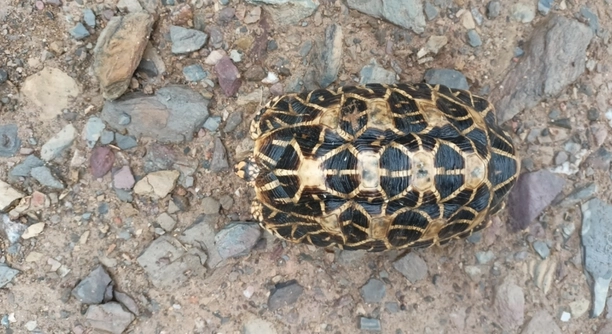
If your star tortoise is wheezing, it could be a sign of something more serious. Understanding the potential causes of this issue is important to ensure your tortoise’s well-being and health.
Wheezing in star tortoises is often caused by respiratory infections, poor habitat conditions, improper diet, or stress. Other factors like parasites, improper humidity, and temperature fluctuations can also contribute to breathing issues, which require immediate attention.
Knowing the factors behind your tortoise’s wheezing can help with quicker diagnosis and treatment. These steps will guide you in managing your tortoise’s health effectively.
Respiratory Infections and How They Affect Your Tortoise
One of the most common reasons for wheezing in star tortoises is a respiratory infection. These infections can develop from exposure to bacteria or viruses, and they often lead to symptoms such as wheezing, nasal discharge, and lethargy. A tortoise’s respiratory system is quite sensitive, and a small infection can escalate quickly, affecting their overall health. Often, respiratory infections are triggered by poor environmental conditions like low humidity or improper temperatures. This can make it harder for your tortoise to breathe normally, which is why you might notice these signs.
Respiratory infections are serious and should be addressed as soon as possible. Without treatment, the infection can worsen and lead to permanent damage.
If your star tortoise is showing signs of wheezing, it’s important to first assess their environment. Make sure their enclosure is at the correct temperature and humidity level. If these conditions are met and the symptoms persist, it’s best to visit a vet who specializes in reptiles. They can help determine the exact cause and prescribe proper medication, such as antibiotics, if needed. Regular check-ups can also help catch these issues early, preventing further complications.
Stress and How It Can Affect Breathing
Stress is another key factor that may cause your star tortoise to wheeze. Changes in their environment, like new tank mates or frequent handling, can cause anxiety.
Stress affects a tortoise’s immune system, making them more vulnerable to infections. A stressed tortoise might also start breathing more heavily or show other signs of discomfort. To reduce stress, try to keep their environment stable, avoid unnecessary handling, and provide them with a consistent routine.
Poor Habitat Conditions
Inadequate habitat conditions often contribute to wheezing in star tortoises. If the tank is too dry or too cold, your tortoise may struggle to breathe properly. Humidity and temperature are essential factors in maintaining a healthy environment.
Star tortoises need specific humidity levels to stay healthy. If the enclosure is too dry, it can lead to respiratory issues. Similarly, temperature imbalances can also affect their breathing. Ensure that the temperature in their tank stays within the recommended range, usually between 80°F and 85°F during the day, with a basking spot reaching up to 95°F. Make sure humidity is consistent, especially if you live in a dry area.
Check the substrate and overall setup. Sand or wood chips can easily dry out the air, so it’s crucial to monitor and adjust the conditions regularly. Without proper care, your tortoise may develop respiratory problems like wheezing.
Poor Diet
A poor diet may also cause wheezing in your star tortoise. Lack of essential nutrients, especially vitamin A, can weaken the immune system, making your tortoise more prone to respiratory infections.
Make sure your tortoise gets a varied, balanced diet consisting of dark leafy greens, grasses, and some fruits. Vitamin A deficiency is a common issue for reptiles, and it can lead to respiratory problems and other health issues. If your tortoise is not eating enough of the right foods, their immune system will be less able to fight off infections that affect their breathing.
To address this, you can supplement their diet with vitamin A-rich foods like carrots, squash, and dark leafy greens. This will help strengthen their immune system and improve their overall health. Always make sure that the diet you provide is not only nutritious but also appropriate for their species.
Parasites
Parasites can also be a cause of wheezing in your star tortoise. Internal or external parasites may affect their respiratory system and lead to discomfort or breathing difficulties.
Parasites such as lungworms or mites can infect your tortoise, causing symptoms like wheezing, coughing, and general weakness. Regular vet checkups will help detect these parasites early.
Treatment typically involves deworming medications or specific treatments for external parasites. Make sure your tortoise is living in a clean, safe environment to prevent infestations and provide them with proper care to avoid further complications.
Improper Humidity
Low humidity levels can lead to breathing problems in your star tortoise, causing them to wheeze or have difficulty breathing. Ensure their habitat maintains the correct moisture levels.
Too little humidity can dry out your tortoise’s airways, making it harder for them to breathe properly. Consider using a humidifier or misting the enclosure regularly to maintain ideal humidity levels. Always monitor their environment to make sure it’s comfortable.
FAQ
What should I do if my star tortoise is wheezing?
If your star tortoise is wheezing, the first step is to assess their environment. Ensure the temperature and humidity are in the correct range. If conditions are right but the wheezing continues, it’s important to take them to a reptile vet. The vet can determine if it’s a respiratory infection, parasites, or another health issue. In some cases, medication may be needed. Proper care and quick intervention are key to preventing the condition from worsening.
Can wheezing in a tortoise be a sign of something serious?
Yes, wheezing can indicate a serious underlying issue, such as a respiratory infection or internal parasites. Respiratory problems can escalate quickly and lead to more severe health concerns. It’s important to address wheezing promptly by checking their habitat conditions and seeking veterinary advice. Early detection can prevent long-term damage.
How can I tell if my tortoise has a respiratory infection?
Signs of a respiratory infection in star tortoises include wheezing, nasal discharge, coughing, and lethargy. You may also notice your tortoise not eating or drinking as usual. If these symptoms appear, it’s best to consult a vet, as untreated infections can lead to pneumonia or other complications.
Can a star tortoise’s diet cause wheezing?
Yes, a poor diet can weaken your tortoise’s immune system, making it more prone to infections that could cause wheezing. Insufficient nutrients, particularly vitamin A, can lead to respiratory issues. A balanced diet consisting of dark leafy greens, grasses, and vitamin A-rich foods like carrots and squash is essential for your tortoise’s health. If the diet is inadequate, it may make your tortoise more susceptible to breathing problems.
How do I keep my tortoise’s habitat at the right temperature and humidity?
To maintain the right temperature for your star tortoise, set up a basking area that reaches 95°F (35°C) and a cooler area between 80°F and 85°F (27°C to 29°C). For humidity, aim for 50-70%, depending on your specific species of tortoise. You can use a hygrometer to monitor humidity levels and adjust the environment with misting or a humidifier if needed. Ensure that your tortoise has access to a clean, dry space where they can retreat when necessary.
What can cause a tortoise to wheeze other than respiratory infections?
Several factors can contribute to wheezing in tortoises beyond respiratory infections. These include stress, inadequate humidity, poor diet, and parasites. Stress from changes in the environment or frequent handling can make your tortoise anxious, leading to heavy breathing or wheezing. If your tortoise is not eating properly or lacks proper nutrition, this can also weaken their immune system and cause breathing problems. Additionally, parasites such as lungworms can infect the respiratory system, leading to wheezing and discomfort.
Can stress cause my star tortoise to wheeze?
Yes, stress can make your tortoise wheeze. If your star tortoise feels threatened or is in an unfamiliar environment, it may show signs of stress such as heavy breathing or wheezing. Handling your tortoise too much, introducing new pets to the habitat, or sudden changes in their enclosure can contribute to stress. To reduce stress, provide a calm, stable environment for your tortoise and minimize disturbances.
What temperature and humidity are ideal for my star tortoise?
The ideal temperature for a star tortoise is between 80°F and 85°F (27°C to 29°C) during the day. The basking area should be slightly warmer, reaching up to 95°F (35°C). At night, temperatures should drop to around 70°F (21°C). For humidity, aim for 50-70%. If you live in a dry area, you may need to increase humidity using a misting system or humidifier. These conditions are essential for your tortoise’s respiratory health.
How can I prevent my tortoise from getting a respiratory infection?
To prevent respiratory infections, maintain proper habitat conditions, including correct temperature and humidity. Ensure the enclosure is clean and dry, and provide fresh water daily. Avoid drafts or sudden temperature changes, as these can weaken your tortoise’s immune system. Also, offer a balanced diet that includes vitamin A-rich foods, as a strong immune system helps ward off infections. Regular vet check-ups can also help catch potential health issues early.
How often should I take my star tortoise to the vet?
It’s recommended to take your star tortoise to the vet for an annual check-up, especially if you notice any unusual behavior or symptoms. If your tortoise shows signs of wheezing, nasal discharge, or lack of appetite, it’s important to take them to the vet immediately. Early detection of issues will help in proper treatment, and keeping up with regular visits ensures your tortoise stays in good health.
Final Thoughts
Wheezing in your star tortoise can be concerning, but understanding the potential causes can help you address the issue. Respiratory problems are common in reptiles, and while they may seem alarming, they are often treatable with the right care. It’s crucial to keep an eye on their environment and health, as factors like temperature, humidity, diet, and stress can all contribute to breathing difficulties. By ensuring your tortoise has a stable, clean, and healthy environment, you are taking a big step toward preventing wheezing and other health issues.
In many cases, the problem can be solved by adjusting habitat conditions. Ensuring the right temperature and humidity levels are maintained will go a long way in keeping your tortoise comfortable. Proper diet is just as important. Providing your tortoise with the nutrients they need, particularly vitamin A, helps strengthen their immune system, making them less likely to develop respiratory infections. Stress management is also key—keeping your tortoise in a calm and stable environment will reduce the chances of them experiencing breathing issues due to anxiety or fear.
If the wheezing persists despite these efforts, it’s best to consult a vet. A professional can quickly identify the underlying cause, whether it’s an infection, parasites, or another issue, and provide the right treatment. Early intervention will help your tortoise recover faster and reduce the risk of more serious health problems. Regular check-ups, especially if your tortoise shows signs of illness, will ensure they remain in good health over the long term. With the right care, your star tortoise can live a happy, healthy life.

Hello,
If you enjoy the content that we create, please consider saying a "Thank You!" by leaving a tip.
Every little bit helps us continue crafting quality advice that supports the health, happiness, and well-being of pets around the world, for pets of all shapes, sizes, and species.
We really appreciate the kindness and support that you show us!