
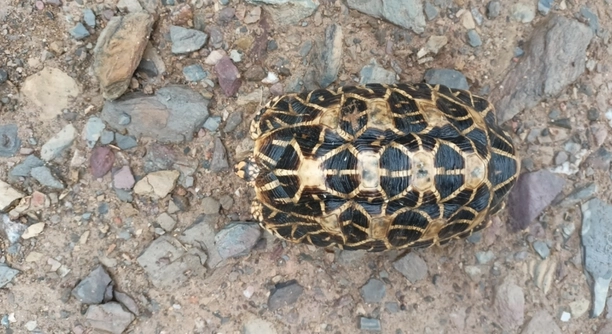
Is your star tortoise pacing back and forth in its enclosure? This behavior can be perplexing, especially when it seems like it’s constantly on the move. It’s important to understand why this happens.
Pacing in star tortoises can be caused by several factors, including stress, a need for exercise, or inadequate enclosure conditions. This behavior may also be linked to hunger, territorial instincts, or an attempt to escape confinement.
Understanding these causes will help you provide better care for your tortoise and improve its well-being. Continue reading to discover more about why your star tortoise may be pacing.
Stress or Anxiety
Star tortoises can become stressed for various reasons. Changes in their environment, such as a new enclosure or loud noises, can trigger anxiety. Additionally, improper handling or a lack of routine can lead to these stress-related behaviors. A stressed tortoise may pace to express frustration or confusion.
Stress can also arise from social factors. If your tortoise shares its space with another animal, it may feel threatened or uncomfortable. Sometimes, an overcrowded enclosure can lead to feelings of insecurity. Ensuring a calm and stable environment is crucial for your tortoise’s mental and physical health.
To reduce stress, consider providing your star tortoise with a quiet, secure space where it feels safe. You can also offer hiding spots or structures that provide it with a sense of privacy. The more relaxed and stable the environment, the less likely your tortoise will pace back and forth.
Need for Exercise
Star tortoises are naturally active creatures that require exercise to stay healthy. If their space is too small or lacks stimulation, they may begin pacing as a way to release energy. Regular movement is essential for their physical well-being.
Ensuring your tortoise has enough space to move around freely is crucial. Tortoises that don’t get enough exercise can also become lethargic, which may worsen their pacing behavior. By offering more space and opportunities to explore, you can reduce restlessness and promote a healthier lifestyle for your pet.
A large, secure outdoor enclosure or a larger indoor space will allow your tortoise to explore freely and expend energy. Providing ramps, hides, and plants can also offer additional mental and physical stimulation, preventing pacing due to boredom or frustration.
Hunger or Thirst
If your star tortoise is pacing, it may simply be hungry or thirsty. Tortoises are known for their steady routines, and any disruption to their feeding schedule can cause them to become restless. Ensure that their food and water needs are consistently met.
Pacing due to hunger or thirst is often seen when tortoises are nearing feeding time. They may become more active, walking in circles or repeatedly returning to the spot where food is usually provided. This behavior is their way of signaling that they need nourishment.
Make sure your tortoise is getting the right amount of food, based on its size and species-specific dietary needs. Regular feeding times help establish a predictable routine, reducing anxiety and preventing pacing caused by hunger or thirst.
Inadequate Habitat Conditions
The enclosure’s conditions play a significant role in your tortoise’s behavior. If the temperature, humidity, or lighting is incorrect, your tortoise may pace in search of a more comfortable environment. Proper care of these elements is crucial for your tortoise’s well-being.
Inadequate habitat conditions can cause stress and discomfort, leading to pacing. A common issue is incorrect temperature levels. Tortoises require a specific temperature gradient within their enclosure for proper thermoregulation. If the temperature is too cold or too hot, they may pace to find a better spot. Similarly, if humidity levels are too low, they can become uncomfortable.
To ensure proper habitat conditions, use a reliable thermometer and hygrometer to monitor the enclosure’s temperature and humidity. Proper lighting is also essential, as tortoises need UVB light to maintain healthy shells and bones. Make adjustments as necessary to ensure a balanced, comfortable environment.
Desire to Escape
Star tortoises are naturally curious and may pace if they feel confined or restricted. If the enclosure is too small or lacks variety, they may start searching for a way out. This pacing behavior is their instinct to explore.
A tortoise that feels trapped may begin pacing along the edges of its enclosure. This behavior is often a sign that your tortoise needs more space or stimulation. If it repeatedly tries to escape, it’s a good indication that its current environment isn’t fulfilling its natural instincts.
To prevent this, ensure your tortoise’s enclosure is large enough for it to move freely. Adding hideouts, climbing surfaces, or plants can also provide the mental stimulation it craves.
Illness or Injury
If your tortoise is pacing unusually or more aggressively than usual, it could be signaling a health issue. Conditions like respiratory infections or injuries can cause discomfort and restlessness. Watch for signs like lethargy or changes in appetite.
A star tortoise that’s pacing due to illness may also show other symptoms such as difficulty breathing, discharge from the nose, or limping. These signs indicate that your tortoise may be suffering from a health problem. If pacing persists or is accompanied by other unusual behaviors, it’s important to consult a veterinarian.
Providing a comfortable and stress-free environment can help reduce the impact of illness, but professional care will be necessary for proper diagnosis and treatment.
FAQ
Why is my star tortoise pacing back and forth?
Pacing is a common behavior that can result from various factors. It could be due to stress, lack of space, hunger, or environmental discomfort. If your tortoise is pacing, consider checking the temperature, humidity, and food availability in its enclosure. Stress from overcrowding or improper handling can also lead to restless pacing. If you’ve noticed this behavior frequently, observe your tortoise for any other signs of discomfort, such as difficulty eating or breathing, and consult a vet if needed.
How can I stop my star tortoise from pacing?
The key to stopping pacing is to address its underlying cause. First, ensure your tortoise has a spacious, well-maintained enclosure with appropriate temperature, humidity, and UVB lighting. Offer a consistent feeding schedule and enough stimulation to prevent boredom. If pacing continues despite these efforts, your tortoise may be stressed from overcrowding or improper socialization, so try to adjust its living conditions to provide more privacy and security.
Can pacing be a sign of illness in my star tortoise?
Yes, pacing can sometimes be a sign of illness. If your tortoise is pacing more than usual and shows additional symptoms like lethargy, loss of appetite, or difficulty moving, it may be unwell. Respiratory infections, shell rot, or injuries could cause discomfort that leads to restless behavior. If you suspect illness, take your tortoise to a vet for a thorough check-up. Early detection and treatment are key to managing health issues.
How much space does my star tortoise need to stop pacing?
Star tortoises need ample space to roam and explore, which helps prevent pacing. A good rule of thumb is to provide at least 4×6 feet of space for an adult tortoise. This gives them enough room to move freely, search for food, and exercise. The more space you can offer, the better, as a confined environment can lead to stress and repetitive behavior like pacing.
Does my star tortoise need company, or is it better alone?
Star tortoises are generally solitary animals and do not require company. In fact, housing multiple tortoises together can sometimes cause stress or territorial disputes. If you keep more than one tortoise, ensure they have enough space and avoid overcrowding. Providing multiple hideouts and separate feeding areas can also help reduce stress and prevent pacing.
Can temperature affect my tortoise’s pacing?
Yes, temperature plays a major role in a tortoise’s behavior. Star tortoises require a temperature gradient within their enclosure, with a warm basking area and a cooler zone. If the temperature is too hot or too cold, your tortoise may pace in search of a more comfortable spot. Use a reliable thermometer to monitor the temperature, and make sure it stays within the recommended range for star tortoises (80-90°F for the cooler side and 95-100°F for the basking area).
What are the signs that my tortoise is pacing due to hunger?
If your star tortoise is pacing and seems fixated on a certain spot, it could be hungry. Tortoises typically pace near food areas when they are anticipating their next meal. If you notice that your tortoise becomes more active during feeding times or around its usual feeding area, it’s likely trying to communicate that it’s hungry. Make sure your tortoise is getting the right amount of food, and try to stick to a consistent feeding schedule to avoid this type of pacing.
Could pacing be caused by boredom?
Yes, pacing can be a sign that your star tortoise is bored and not getting enough stimulation. Tortoises are naturally curious and need variety in their environment to stay mentally and physically healthy. Adding climbing structures, tunnels, and hiding spots can provide the necessary stimulation and encourage your tortoise to explore its space. If your tortoise is pacing constantly without other apparent causes, boredom is likely a factor.
Is pacing normal for a baby star tortoise?
Baby star tortoises may pace more frequently than adults due to their natural curiosity and need for exercise. They are still learning about their surroundings and may use pacing as a way to explore. However, it’s essential to ensure they have enough space, proper lighting, and a safe environment to roam. As they grow, their need for space and activity will increase, so provide them with ample room to prevent pacing from becoming a regular behavior.
What kind of enclosure is best to prevent pacing?
To prevent pacing, your star tortoise’s enclosure should be large enough to allow for movement. A 4×6 feet space is ideal for an adult tortoise, with secure walls to keep them from trying to escape. It’s important to provide a gradient of temperatures, as well as access to clean water and a varied diet. Hiding places and plants will offer your tortoise comfort and enrichment, reducing the likelihood of pacing caused by stress or boredom.
Can pacing indicate that my star tortoise wants to mate?
While pacing can sometimes be linked to mating behavior, it is less common in star tortoises compared to other species. During the breeding season, male tortoises may become more active and attempt to approach females. However, if your tortoise is pacing year-round, it’s more likely related to other environmental factors, such as stress, hunger, or boredom. If you suspect mating behavior, observe closely for other signs, such as the male trying to mount the female.
Final Thoughts
Understanding why your star tortoise is pacing is important for ensuring its well-being. Pacing can be caused by various factors, including stress, hunger, boredom, or even illness. It’s essential to observe your tortoise carefully and make sure its environment is suitable. A properly sized enclosure, the right temperature, and a balanced diet are crucial for keeping your tortoise healthy and happy. If pacing continues despite making these adjustments, further investigation into possible health problems is necessary.
When addressing pacing behavior, always consider the potential root causes. If the enclosure is too small, your tortoise may feel trapped and try to escape. Providing more space, as well as elements like climbing surfaces and hiding spots, can reduce this behavior. Additionally, keeping the right temperature and humidity levels is vital. A stable, comfortable environment promotes relaxation and can minimize stress. If your tortoise is not getting enough stimulation or activity, consider offering new objects or changing its surroundings regularly to keep it engaged.
Finally, it’s important to remember that pacing is often a sign that something isn’t right. Whether it’s a sign of stress, illness, or hunger, it’s a behavior worth addressing. Consulting with a veterinarian is always a good idea if you’re concerned about your tortoise’s health. With the right care, your star tortoise will feel secure and content in its environment, and pacing should become a thing of the past. Monitoring your tortoise’s behavior, making necessary adjustments, and keeping a consistent routine will lead to a happier and healthier pet.

Hello,
If you enjoy the content that we create, please consider saying a "Thank You!" by leaving a tip.
Every little bit helps us continue crafting quality advice that supports the health, happiness, and well-being of pets around the world, for pets of all shapes, sizes, and species.
We really appreciate the kindness and support that you show us!