
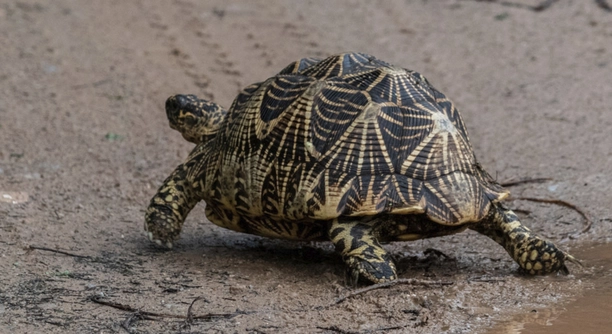
Your Star Tortoise is a unique and fascinating pet, but it’s important to keep an eye out for signs of health issues. Parasites can affect your tortoise’s well-being, so knowing the warning signs is crucial for their care.
Parasites in your Star Tortoise may be harder to detect at first, but recognizing early warning signs can help. Symptoms like unusual behavior, lethargy, and changes in appetite or feces should prompt a closer inspection and consultation with a vet.
Knowing what to watch for can make all the difference in keeping your tortoise healthy. By identifying these signs early, you can take the necessary steps to protect your pet from harm.
Recognizing Parasites in Your Star Tortoise
Parasites can affect your Star Tortoise in a variety of ways, often causing changes in behavior and appearance. When a tortoise is infected, the symptoms may not be immediately obvious. It’s essential to keep an eye out for any subtle changes in their usual habits. The first warning sign is usually a decrease in activity levels. If your tortoise starts to appear lethargic, this could indicate an underlying issue. Other signs include noticeable changes in appetite or the refusal to eat altogether. Your tortoise may also start to drink more water than usual, as dehydration is a common result of parasitic infections.
Changes in behavior, along with these signs, should prompt you to take immediate action. It’s important to remember that parasites, while common, can have serious effects on your pet’s health if left untreated. A visit to the vet for a proper diagnosis can help prevent further complications.
Your tortoise’s health is reliant on proper care. Recognizing these signs quickly ensures that you can treat the issue promptly and effectively, giving your pet the best chance for recovery.
Common Parasites in Tortoises
Parasites commonly found in tortoises include internal parasites like roundworms, tapeworms, and flagellates. These can cause issues with digestion, weight loss, and lethargy. When left untreated, they can lead to more severe conditions.
While parasites are common, prevention is key. Keeping their enclosure clean and providing a proper diet with fresh greens and clean water can help limit the risk of infection. Regular vet visits are recommended to ensure your tortoise remains in good health and free from parasites. By staying proactive, you can keep your tortoise happy and healthy.
Recognizing early signs of parasitic infections and maintaining a clean environment for your pet will help prevent serious health issues.
Warning Sign: Lethargy
Lethargy is one of the first signs that something may be wrong. A healthy Star Tortoise is generally active and curious. When they suddenly become inactive or spend long periods in hiding, it’s worth investigating. This behavior may stem from internal parasites affecting their energy levels.
Parasites can disrupt your tortoise’s normal activity, making them less interested in exploring or moving around. If your tortoise normally roams but suddenly stays in one place, it could be due to fatigue or discomfort caused by parasites. This is especially true if the lethargy is accompanied by other signs, like a lack of appetite.
Monitoring your tortoise for prolonged periods of inactivity is important. If the lethargy persists or worsens over time, a visit to the vet should be considered. Early detection and treatment can prevent more serious health issues from developing.
Warning Sign: Changes in Eating Habits
Changes in eating habits are another clear indicator of a potential issue. Your tortoise may show a reduced appetite or, in some cases, refuse to eat altogether. Parasites often cause discomfort in the digestive system, leading to these changes.
Internal parasites disrupt the normal digestion process, making eating less appealing for your Star Tortoise. A healthy tortoise should eat regularly, showing interest in fresh greens and vegetables. If your tortoise begins to ignore food, it could be a sign that something is wrong, especially if the change happens suddenly.
It’s also important to track your tortoise’s hydration levels. Parasites may lead to dehydration, making your pet less inclined to drink. If both eating and drinking habits change together, a vet should assess your tortoise for possible infections.
Warning Sign: Changes in Feces
Changes in your tortoise’s feces are one of the most noticeable signs of an infection. Healthy tortoise droppings should be firm and well-formed. If you notice diarrhea, mucus, or an unusual color in the stool, it could indicate a parasitic issue.
Parasites affect the digestive system, causing abnormal stools. Diarrhea or watery droppings are common when internal parasites are present, as they interfere with proper digestion and absorption of nutrients. It’s important to closely monitor your tortoise’s feces, as this is one of the most reliable ways to spot an infection early.
If the changes persist for more than a couple of days, consulting a vet is essential. A stool sample can be tested for parasites and help confirm the diagnosis.
Warning Sign: Abnormal Shell Behavior
Your tortoise’s shell is a key indicator of overall health. Any visible damage, discoloration, or irregular growth on the shell could be linked to parasitic infections. A healthy shell should be smooth and free from unusual marks.
When parasites invade the body, they can cause stress or a weakening of the tortoise’s immune system. This can result in scutes (the individual plates on the shell) lifting or softening. These issues might be subtle at first but could become more noticeable over time. Parasites can affect the shell’s ability to grow properly, leading to deformities or damage.
Shell health is crucial to your tortoise’s survival and well-being. Regularly checking for any changes in texture or appearance can help identify potential problems early, allowing you to address them before they cause lasting harm.
Warning Sign: Weight Loss
Weight loss is a common sign that your tortoise may be dealing with parasites. If your tortoise is losing weight despite eating well, this could be a red flag. Parasites can interfere with nutrient absorption, leading to malnutrition and weight loss.
While occasional weight fluctuations may happen, consistent or rapid weight loss should not be ignored. You can track your tortoise’s weight using a small scale to ensure it remains healthy. If the weight loss continues, the parasite load may be serious enough to warrant medical attention.
FAQ
How can I prevent parasites in my Star Tortoise?
Prevention is key when it comes to protecting your tortoise from parasites. Keeping their enclosure clean and providing fresh, high-quality food is essential. Avoid feeding them contaminated or spoiled food, and ensure their water source is always clean. You should also provide a proper basking area and UV light to help maintain their immune system. Regularly cleaning the enclosure and providing proper hygiene practices can go a long way in preventing parasite infestations. Additionally, a regular check-up with a vet can help detect early signs of any health issues before they become serious.
What should I do if I suspect my tortoise has parasites?
If you suspect that your Star Tortoise has parasites, the first step is to isolate them in a clean area to prevent any potential spread. Monitor their behavior closely, keeping an eye out for any additional signs, such as lethargy, weight loss, or changes in eating habits. The next step is to schedule a visit to a reptile vet. The vet will typically perform a stool test to check for parasites and other health issues. If parasites are confirmed, they will recommend appropriate treatment, such as deworming medication, to clear the infection.
Can I treat parasites at home?
While there are over-the-counter treatments available for some parasites, it’s best to have a vet involved in diagnosing and treating your tortoise. Self-treating without a proper diagnosis can lead to complications or ineffective treatments. Your vet can prescribe the right medication and dosage specific to the type of parasite. They can also guide you through the treatment process, ensuring that your tortoise receives the right care. It’s also important to note that some parasites may require specialized treatments that only a vet can provide.
How long does it take for a tortoise to recover from parasites?
The recovery time for a tortoise depends on the severity of the parasite infection and how early it is detected. In mild cases, with prompt treatment, recovery may take a few weeks. However, more severe infections could take longer, especially if the tortoise has become malnourished or dehydrated. During the recovery period, it’s essential to provide a stress-free environment and ensure that your tortoise is eating, drinking, and basking properly. Follow your vet’s instructions carefully to help your tortoise return to full health.
Are all parasites harmful to my tortoise?
Not all parasites are equally harmful, but most can cause significant health problems if left untreated. Some parasites, such as roundworms, may cause digestive issues, while others like tapeworms can lead to malnutrition and weight loss. Some parasites might not cause obvious symptoms right away but can still negatively impact your tortoise’s immune system over time. Even if the symptoms seem mild, it’s crucial to treat parasitic infections promptly to prevent further complications.
What are the common signs that my tortoise has internal parasites?
Common signs of internal parasites in tortoises include weight loss, diarrhea, changes in feces, and a noticeable decrease in appetite. Parasites can affect the digestive system, leading to bloating, discomfort, and lethargy. You may also notice that your tortoise spends more time hiding or is less active than usual. If these signs appear, it’s important to take action quickly by scheduling a vet visit to confirm the presence of parasites and start treatment.
Can parasites be passed from one tortoise to another?
Yes, parasites can be transmitted from one tortoise to another. This is why it’s essential to quarantine any new tortoises before introducing them to your existing pets. Parasites can spread through contaminated bedding, food, water, or even direct contact. If you suspect one tortoise has parasites, you should isolate them from others to prevent an outbreak in the enclosure. Clean the enclosure thoroughly and disinfect it before reintroducing any tortoises.
How can I tell if my tortoise is dehydrated due to parasites?
Dehydration is common in tortoises with parasitic infections. You might notice that your tortoise is drinking more water than usual or showing signs of lethargy. Dehydration can also cause dry skin or a dull-looking shell. To check for dehydration, gently pinch the skin of your tortoise and see if it takes time to return to its normal position. If it does, your tortoise may be dehydrated. In this case, ensure they have access to fresh water at all times and consult your vet for treatment.
Are there any home remedies to treat parasites in tortoises?
While there are no effective home remedies that can treat parasites in tortoises, it’s important to take preventive measures, such as maintaining a clean habitat and providing proper nutrition. If you suspect a parasitic infection, it is best to consult a vet. They can prescribe the appropriate medication and offer guidance on the best care practices during recovery. Home remedies may not address the root cause and could potentially cause more harm than good.
Can a tortoise die from a parasite infection?
Yes, if left untreated, a severe parasitic infection can lead to serious complications and potentially cause death. The parasites can weaken the immune system, cause severe weight loss, malnutrition, and dehydration, and damage internal organs. In some cases, parasites can cause fatal infections. This is why early detection and treatment are crucial. By monitoring your tortoise for warning signs and seeking timely veterinary care, you can significantly reduce the risk of serious consequences.
How can I ensure my tortoise stays healthy after recovering from parasites?
After your tortoise has recovered from parasites, it’s important to maintain a clean and stress-free environment to prevent reinfection. Keep the enclosure well-maintained, disinfect surfaces regularly, and provide fresh food and water. Make sure your tortoise has access to proper UV light and basking areas to support their immune system. Regular check-ups with the vet can help catch any health issues early, ensuring your tortoise stays in good condition. Providing a balanced diet, including leafy greens and calcium supplements, will also help support overall health.
Final Thoughts
Parasites in your Star Tortoise can be a serious health concern, but they are manageable with the right care and attention. By being proactive in maintaining a clean environment, providing a balanced diet, and ensuring proper hydration, you can reduce the risk of parasite infestations. Regularly checking your tortoise for any signs of illness, such as changes in behavior or eating habits, will help you spot potential problems early. If you notice any symptoms, don’t hesitate to consult with a vet to ensure your tortoise gets the right treatment.
When treating parasites, it is essential to follow the vet’s recommendations closely. While some treatments can be done at home, it’s important to understand that professional guidance will give you the best chance for your tortoise’s full recovery. Early intervention can prevent further complications and promote a quicker return to health. Keep in mind that some parasites may take longer to treat than others, and the recovery time will vary depending on the severity of the infection. Patience and proper care are key during this period.
Lastly, the health of your tortoise depends largely on your ongoing efforts to provide a stable and healthy living environment. Keeping their habitat clean, offering them a varied diet, and ensuring they have access to proper light and warmth are crucial for preventing future issues. Regular check-ups with a reptile vet will help you stay ahead of any potential health problems. Maintaining a stress-free and healthy environment will give your tortoise the best chance for a long and happy life.

Hello,
If you enjoy the content that we create, please consider saying a "Thank You!" by leaving a tip.
Every little bit helps us continue crafting quality advice that supports the health, happiness, and well-being of pets around the world, for pets of all shapes, sizes, and species.
We really appreciate the kindness and support that you show us!