
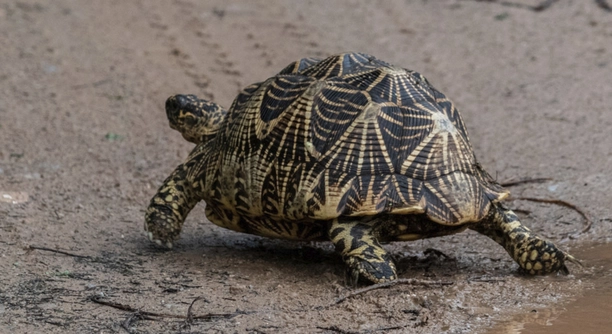
A star tortoise is a popular pet known for its unique shell pattern and gentle nature. Like any reptile, it needs the right environment to thrive, including proper temperature regulation. Knowing when your tortoise is too hot is essential for its health.
If your star tortoise is exposed to high temperatures for too long, it can exhibit signs of discomfort, such as lethargy, excessive basking, or loss of appetite. These symptoms indicate that the environment needs to be adjusted to ensure its well-being.
Recognizing these signs early can help you prevent potential health problems. Adjusting the temperature in its enclosure will keep your tortoise comfortable and safe.
How to Recognize When Your Star Tortoise Is Too Hot
When your star tortoise is feeling too hot, it will often display certain behaviors that signal its discomfort. One common sign is excessive basking. If your tortoise is spending more time under the heat lamp than usual, it might be trying to regulate its body temperature. Additionally, a loss of appetite can be another warning. If your tortoise isn’t eating as much or refuses food entirely, it’s important to consider that heat stress may be the cause. Other signs include lethargy and a lack of activity. Your tortoise might hide away, looking for cooler spots, or it may just appear too tired to move.
A good rule of thumb is to check the temperature in its enclosure regularly. Keeping the habitat too warm can cause stress, which affects its overall health. Make sure to use a thermometer to monitor temperature fluctuations.
If you notice your star tortoise is excessively active around the heat source, it could be a sign that it’s trying to escape the heat. By adjusting the temperature range in its enclosure, you’ll help create a comfortable environment that promotes healthy habits. Tortoises naturally thrive at temperatures around 80°F during the day with a cooler area to retreat to at night.
Preventing Overheating in Your Star Tortoise
Another method to ensure your star tortoise stays comfortable is by offering it plenty of hiding spots. Tortoises need places to escape the heat and cool off. Creating a shaded area or adding more natural elements to the enclosure allows your tortoise to find relief if it feels too warm. Additionally, providing shallow water dishes encourages hydration, which helps regulate body temperature. Make sure to clean the water regularly to avoid bacteria build-up, which can be harmful.
If your enclosure gets too hot in the daytime, consider adding ventilation to ensure better airflow. Using a fan to circulate air in the room can also help maintain a stable temperature, especially during warmer months. Proper ventilation also ensures that your tortoise isn’t exposed to stagnant air, which can contribute to respiratory issues. Regularly check that the enclosure isn’t overheating and adjust the light sources as needed. Star tortoises need heat, but it should be carefully controlled.
Signs of Heat Stress in Your Star Tortoise
When a star tortoise is overheated, it may begin to show physical signs of stress. One of the first things you might notice is its reluctance to move or bask. Instead, it may appear lethargic, staying in one spot and not engaging in its usual activities. Its movements could also seem slower than normal.
Heat stress can also cause your tortoise to lose its appetite. If it’s not eating or drinking regularly, that’s a clear indicator something is wrong. You may also observe its breathing becoming heavier or labored. These symptoms suggest it is struggling with high temperatures, and adjustments need to be made quickly.
If the tortoise is consistently seeking out cool areas, it’s a sign the temperature is too high. Try lowering the heat source or adjusting the temperature range to give your tortoise a more comfortable environment.
Adjusting the Temperature for Comfort
To fix an overheating issue, start by checking the ambient temperature in the enclosure. Use a thermometer to measure the temperature at various spots, ensuring it doesn’t exceed the recommended range for star tortoises. The ideal temperature should range between 75°F to 85°F, with a basking spot reaching around 90°F.
If the temperature in the enclosure is too high, relocate the heat source or adjust its intensity. You can also try adding more ventilation by slightly opening the lid or using a fan. It’s important not to let the enclosure heat up too quickly, as rapid temperature changes can also stress your tortoise. Instead, gradually bring the temperature down to a comfortable level. Monitor the situation for a few hours to see if your tortoise starts to feel more active and comfortable.
Importance of Proper Lighting
Lighting plays a crucial role in regulating your star tortoise’s body temperature. Too much light can raise the overall temperature in the enclosure, leading to overheating. On the other hand, insufficient light can result in an unhealthy environment for your tortoise.
Adjust the intensity of the light to match the ambient temperature. For basking areas, a heat lamp should provide enough warmth without overheating the tortoise. Always choose a suitable bulb that mimics natural sunlight, providing both heat and UVB rays to promote healthy shell growth. Ensure the lighting is positioned correctly to avoid concentrated heat in one area.
Temperature Changes in Different Seasons
With the changing seasons, temperature fluctuations are bound to happen. During summer, temperatures might naturally rise, increasing the risk of overheating. In colder months, the risk shifts to low temperatures that can cause stress to your tortoise.
By monitoring the environment closely, you can prevent these extremes. In warmer months, keep the enclosure in a shaded area to avoid direct sunlight. Conversely, during colder months, ensure the heating elements are functioning properly. Always aim for a consistent and stable temperature throughout the year.
FAQ
What is the ideal temperature for a star tortoise?
The ideal temperature for a star tortoise ranges from 75°F to 85°F during the day. The basking area should be around 90°F to 95°F, but the tortoise should also have access to cooler areas, typically around 70°F to 75°F, to regulate its body temperature. It’s crucial to maintain a steady temperature to avoid stress or heat-related issues.
How can I tell if my star tortoise is too hot?
If your star tortoise is too hot, it may become lethargic, stop eating, or spend more time in areas that are too warm. You might also notice it seeking cooler spots in its enclosure. Excessive basking, a lack of movement, or heavy breathing are also clear signs of heat stress.
Can I use a regular light bulb for my star tortoise’s enclosure?
While you can use a regular light bulb for lighting, it is not ideal for providing the necessary heat and UVB rays. A UVB bulb is essential for your star tortoise to synthesize vitamin D3, which is needed for proper calcium absorption. A heat lamp with both UVB and UVA rays is recommended for its overall health.
How long should my star tortoise bask under the heat lamp?
Your star tortoise should bask under the heat lamp for around 6-8 hours per day. During this time, it should be able to absorb enough heat to regulate its body temperature. Ensure that the basking area isn’t too hot, and that the tortoise can move to cooler areas when needed.
What if my star tortoise is not eating?
If your star tortoise is not eating, it could be a sign of stress, temperature issues, or illness. First, check the enclosure’s temperature to make sure it is within the appropriate range. If the temperature is fine, observe for any other signs of illness, such as lethargy or abnormal behavior. If the issue persists, consider consulting a vet.
Is it okay to keep my star tortoise outside?
It is possible to keep your star tortoise outside, but only if the weather is appropriate. Ensure that the outdoor temperature is consistent with the tortoise’s needs. The area should also be predator-proof, shaded, and free from dangerous plants. Avoid exposing your tortoise to extreme temperatures.
How can I prevent my star tortoise from overheating?
To prevent overheating, ensure that the temperature in the enclosure is well-regulated. Provide shaded areas where your tortoise can retreat from the heat. Avoid placing the enclosure in direct sunlight for prolonged periods. Regularly check the temperature with a thermometer and adjust the heat sources as needed.
Should I use a thermostat for my star tortoise’s enclosure?
Yes, using a thermostat can help maintain a consistent temperature. A thermostat connected to the heating source will automatically adjust the heat based on the set temperature, preventing overheating or underheating. It provides peace of mind, ensuring that the enclosure remains at an optimal level.
Can star tortoises tolerate high humidity?
Star tortoises prefer a dry environment with moderate humidity levels. High humidity can cause respiratory problems and shell rot. The humidity should be kept around 40-60%, with a dry basking area for the tortoise to regulate its temperature. If humidity is too high, consider adding more ventilation to the enclosure.
How do I know if my star tortoise is stressed due to heat?
Signs of stress from heat include excessive hiding, lack of appetite, lethargy, and a change in breathing patterns. If your tortoise is overly active around the heat source or continually tries to escape the warmth, it might be a sign it’s too hot. Regularly monitor the enclosure temperature to avoid this.
What is the best way to regulate my star tortoise’s temperature at night?
At night, the temperature should be lowered to around 70°F to 75°F. This mimics natural temperature fluctuations and ensures that the tortoise has a cool resting area. If necessary, use a night-time heat source that doesn’t emit light to maintain the correct temperature without disturbing the tortoise’s sleep cycle.
How can I tell if my star tortoise is comfortable with the temperature?
A comfortable star tortoise will be active and engaged, moving around its enclosure and eating regularly. If the tortoise spends time basking but also has the option to retreat to a cooler area, it is likely comfortable. Monitor its behavior closely, as sudden changes in activity or appetite often indicate discomfort.
Is it safe to use a ceramic heat emitter for my star tortoise?
Ceramic heat emitters are a safe option for providing heat, as they don’t emit light. They can help regulate the temperature during the night without disturbing the tortoise’s natural sleep cycle. However, ensure that the emitter is placed in a way that allows the tortoise to move away if it becomes too warm.
What should I do if my star tortoise shows signs of dehydration?
If your star tortoise shows signs of dehydration, such as sunken eyes or dry, flaky skin, it’s important to offer water immediately. Place the tortoise in a shallow water dish and let it drink. You can also soak your tortoise in warm water for about 10-15 minutes to help hydrate it.
Final Thoughts
Maintaining the right temperature for your star tortoise is essential for its well-being. A stable, warm environment helps ensure that your tortoise stays healthy, active, and comfortable. When the temperature is too high or too low, it can cause stress, leading to a variety of health problems. Overheating, in particular, can lead to lethargy, poor appetite, and even long-term damage. It is crucial to understand your tortoise’s needs and adjust its habitat accordingly.
It’s important to monitor the enclosure’s temperature regularly to make sure it stays within the ideal range of 75°F to 85°F during the day. The basking spot should be around 90°F to 95°F, but your tortoise should have access to cooler areas to regulate its body temperature. Pay close attention to the lighting and heating sources in the enclosure to ensure they are not overheating or underheating the space. Using a thermometer and a thermostat can help maintain a consistent and safe environment.
By providing the right temperature, lighting, and hydration, you can create a space where your star tortoise feels comfortable and secure. Remember that the signs of stress from heat or cold can be subtle, so it’s essential to stay observant. Over time, you’ll learn to understand your tortoise’s behavior and adjust its environment to keep it in good health. Regularly checking the enclosure, adjusting the light, and making sure the temperatures are balanced will help prevent issues and ensure your tortoise thrives.

Hello,
If you enjoy the content that we create, please consider saying a "Thank You!" by leaving a tip.
Every little bit helps us continue crafting quality advice that supports the health, happiness, and well-being of pets around the world, for pets of all shapes, sizes, and species.
We really appreciate the kindness and support that you show us!