
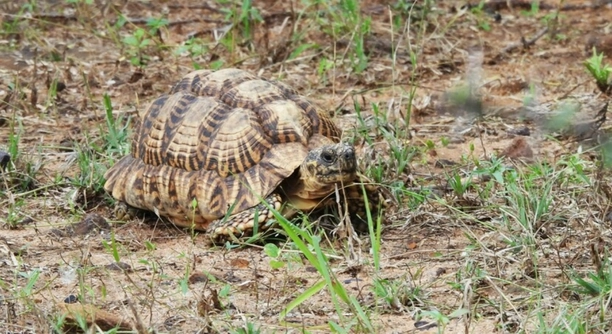
Star tortoises are known for their unique and charming behavior, but sometimes they might seem to have trouble navigating their surroundings. If your star tortoise keeps bumping into things, understanding the potential causes is important.
Several factors could contribute to your star tortoise’s tendency to bump into objects. These may include vision problems, environmental factors, or even stress. A detailed examination can help determine the exact reason for this behavior.
Addressing these issues will ensure your tortoise’s well-being and help prevent any further bumps. Keep reading to discover the potential causes and solutions.
Vision Issues
One common reason why your star tortoise might be bumping into things is poor vision. Star tortoises, like many reptiles, rely heavily on their sight to navigate their environment. If they are having trouble seeing, it can result in frequent collisions with objects. This could happen for a variety of reasons, including age-related changes, eye infections, or cataracts. Since star tortoises are prone to eye problems, it’s important to regularly check their eyes for any signs of infection or cloudiness. Keeping their environment clean and well-lit is also crucial for maintaining their vision. If you suspect vision issues, it’s best to consult a veterinarian who can diagnose and treat the problem properly.
A thorough examination from a veterinarian can confirm any visual impairments. Treatment may include medications or adjustments to the tortoise’s habitat to ensure better conditions for their eyesight.
Tortoises with vision problems may need extra care in their environment. Providing them with a safe, obstacle-free space can help prevent unnecessary accidents. Make sure their living area is free from potential hazards and is well-lit for easy navigation.
Stress and Anxiety
Stress can also contribute to the behavior of bumping into things. Star tortoises are sensitive creatures, and they can experience stress from changes in their environment, handling, or even from feeling threatened by other animals. When a tortoise is stressed, it may become disoriented, leading to uncoordinated movements and frequent collisions with objects. A stressed tortoise might also exhibit other signs, such as hiding, excessive burrowing, or refusal to eat. Ensuring that your tortoise feels secure in its habitat is essential to preventing these issues. Keeping their environment consistent and providing hiding spots can help reduce stress and anxiety.
Understanding your tortoise’s specific stress triggers is essential. Addressing any environmental changes or factors that might be affecting their behavior will promote a calm atmosphere. Your tortoise needs a quiet, comfortable space where they can feel safe.
Environmental factors like temperature and humidity can also affect their comfort levels. It’s important to maintain proper conditions to reduce any stress-related behavior. Stress often leads to disorientation, which can make the tortoise more likely to bump into objects while navigating its environment.
Lack of Space
A cramped living space is another reason your star tortoise may be bumping into things. If the enclosure is too small, your tortoise might feel restricted and unable to move freely. This can lead to confusion and collisions with objects. Tortoises need enough space to roam around and explore, which also helps with physical and mental health. Providing a larger habitat will give your tortoise more room to move without constantly running into obstacles. Make sure there are plenty of open areas for them to wander comfortably.
A spacious enclosure allows your tortoise to move around without hitting objects all the time. Tortoises are naturally curious and enjoy exploring their surroundings, so giving them the room to do so is essential. If your star tortoise is bumping into walls or decorations, it’s a sign that their space is too limited. Consider upgrading to a larger enclosure if necessary.
An ideal enclosure size for a star tortoise should be at least 4 feet by 8 feet. This size provides enough space for your tortoise to move around comfortably and reduces the chances of accidents. Be sure to include hiding spots, rocks, and other structures to keep them engaged. A larger, more enriching environment will allow your tortoise to feel more at ease and reduce the likelihood of disoriented behavior.
Inadequate Lighting
Inadequate lighting can also affect your star tortoise’s ability to navigate properly. Tortoises rely on light to help regulate their daily routines and stay active. If the lighting in their habitat is too dim or inconsistent, they may have trouble finding their way around. Proper lighting not only helps with vision but also promotes their overall health. It’s important to ensure that your tortoise’s enclosure is well-lit with a combination of natural light and UVB lighting. This will provide the necessary exposure to help them stay healthy and active.
Star tortoises need a proper day-night cycle to thrive. Using a UVB light in their enclosure ensures they get the right amount of light for proper calcium absorption. Poor lighting can lead to disorientation, which makes them more prone to bumping into things. Setting up their environment with proper lighting can help improve their navigation and overall well-being.
Make sure the UVB light is positioned correctly so it covers a wide area of the enclosure. This allows your tortoise to move around more freely without bumping into objects. Ensure that the light is also replaced regularly, as UVB bulbs lose their effectiveness over time.
Improper Temperature
If your star tortoise’s enclosure isn’t the right temperature, it can affect its movements. Tortoises rely on temperature regulation for proper activity levels. If it’s too cold or too hot, they may become sluggish or disoriented, leading to more frequent bumping into objects. Maintaining the correct temperature range is crucial for your tortoise’s overall health and behavior.
A temperature range between 80-90°F during the day is ideal for star tortoises. This ensures they are active and alert enough to move around without difficulties. If the temperature is off, they may become less coordinated, which can result in them bumping into things. Use a reliable thermometer to monitor the temperature in the enclosure regularly.
Setting up a temperature gradient in the enclosure can help. A warm side and a cooler side allow the tortoise to choose the temperature that suits them best. This temperature variation will also encourage more natural behavior and movement, reducing confusion and the likelihood of bumps.
Illness or Injury
Tortoises that are unwell or injured may have difficulty navigating their environment, which could lead to frequent collisions. Illnesses like respiratory infections or even internal issues can cause a lack of coordination. Similarly, injuries such as shell damage can make movement painful, leading your star tortoise to bump into things out of discomfort. If your tortoise shows signs of illness or injury, it’s essential to seek veterinary care.
If your star tortoise is acting unusually clumsy or seems lethargic, it could be a sign of a health issue. Watch for other symptoms, such as lack of appetite or unusual behavior, which could suggest an underlying problem.
Taking your tortoise to the vet for a full check-up is the best way to identify and treat any health problems. It’s important to provide the proper care and treatment to help your tortoise recover.
FAQ
Why does my star tortoise keep bumping into walls?
Your star tortoise may be bumping into walls due to poor vision, disorientation, or stress. If the enclosure is too small, it may cause confusion, leading to frequent collisions. A lack of proper lighting or an inadequate temperature can also contribute to this behavior. Make sure the environment is spacious, well-lit, and within the proper temperature range.
How can I tell if my star tortoise has vision problems?
Look for signs such as cloudy eyes, difficulty navigating, or bumping into objects. If your tortoise seems to struggle with movement or doesn’t react to changes in its environment as it normally would, it might have vision issues. A vet can confirm if an eye infection or cataract is present.
Can stress cause a star tortoise to bump into things?
Yes, stress can affect your tortoise’s coordination and behavior. Changes in the environment, handling, or the presence of other animals can cause your star tortoise to feel threatened, leading to disorientation and bumps. To reduce stress, create a consistent, calm environment and avoid unnecessary disturbances.
What is the best enclosure size for a star tortoise?
A star tortoise should have at least 4 feet by 8 feet of space to move around freely. A larger space promotes better navigation and prevents accidents like bumping into walls or other objects. Additionally, the enclosure should be equipped with hiding spots and objects to explore.
How can I make sure my tortoise has proper lighting?
Use a UVB light in the enclosure to help your star tortoise with vision and overall health. This light mimics natural sunlight and helps with calcium absorption. Make sure the lighting covers most of the enclosure, and replace the bulbs every six months. Additionally, make sure your tortoise has access to natural light when possible.
What temperature should I keep my star tortoise’s enclosure at?
The ideal temperature range for a star tortoise is between 80-90°F during the day. This helps maintain their activity levels and coordination. At night, it can drop slightly, but ensure it doesn’t fall below 70°F. Use a thermometer to monitor the temperature regularly and adjust the heating source as needed.
Can an injury make a star tortoise bump into things?
Yes, injuries can cause a star tortoise to become disoriented or move less efficiently. Damage to their shell, legs, or any other part of the body can make movement painful or difficult. If you notice your tortoise having trouble moving or showing signs of injury, take them to a vet for evaluation and treatment.
How often should I clean my star tortoise’s enclosure?
Cleaning the enclosure once a week is essential to prevent bacteria buildup and to ensure a safe living environment. Make sure to remove any uneaten food, waste, and soiled bedding. Disinfect the enclosure every few weeks to keep it hygienic. Regular cleaning can also help reduce any potential stress caused by a dirty environment.
Can a lack of space cause a star tortoise to act disoriented?
Yes, if the enclosure is too small, your star tortoise might not have enough room to move freely, leading to confusion and accidental bumps. It is crucial to provide a spacious environment to allow your tortoise to explore and stay active. Make sure to offer plenty of room for natural movement.
Is my star tortoise’s behavior normal?
Bumping into things occasionally can be normal, but consistent behavior such as this may indicate underlying issues. If your tortoise seems disoriented, lethargic, or is frequently injuring itself, it may need adjustments to its habitat or a visit to the vet to rule out health problems.
Why is my star tortoise not eating properly?
If your star tortoise is not eating, it could be related to stress, poor lighting, or temperature imbalances. Illness and injury can also cause a lack of appetite. Make sure the habitat is optimal and observe your tortoise for any signs of discomfort. If eating continues to be an issue, seek advice from a vet.
How do I make my star tortoise feel less stressed?
To reduce stress, keep your star tortoise in a quiet, calm environment. Avoid loud noises or sudden movements near the enclosure. Maintain a consistent temperature and lighting schedule, and provide hiding places and objects to help them feel secure. Additionally, avoid overhandling or placing them with other animals that could cause distress.
Can an unbalanced diet cause problems for my star tortoise?
Yes, an unbalanced diet can lead to health problems, including poor shell growth and a weakened immune system. Ensure your star tortoise’s diet consists of a variety of leafy greens, vegetables, and calcium supplements. A well-balanced diet promotes overall health and reduces the chances of illness or injury.
How can I tell if my star tortoise is stressed?
Signs of stress in a star tortoise include refusal to eat, excessive hiding, and a lack of interest in its environment. They may also exhibit erratic movement or become more aggressive. If you notice these signs, try adjusting their habitat to reduce stress factors.
Final Thoughts
Caring for a star tortoise requires attention to detail, especially when it comes to their environment and health. If your tortoise is constantly bumping into things, it’s important to assess various factors, such as the enclosure size, temperature, and lighting. Making sure your tortoise has enough space to move freely and a consistent temperature range can prevent disorientation and help with their overall well-being. Small changes to their habitat, like adjusting lighting or providing more areas to hide, can make a big difference in reducing these behaviors.
Health problems like vision issues, stress, or injuries can also cause your star tortoise to move clumsily. If the issue persists, it’s a good idea to consult a veterinarian. Regular health checks and proper diet also play a crucial role in ensuring your tortoise stays active and alert. If your star tortoise is not eating, behaving unusually, or showing signs of illness, it’s essential to address these concerns quickly. A vet visit can help determine whether an underlying health issue is at play and guide you in the right direction for treatment.
Ultimately, the key to preventing your star tortoise from bumping into things is ensuring they have a well-maintained, comfortable, and healthy living space. Creating an ideal environment, monitoring their health, and paying attention to any changes in behavior will help your tortoise live a long, happy life. By regularly checking on your tortoise’s habitat and making necessary adjustments, you’ll be able to provide the best care possible. This proactive approach will reduce the chances of accidents and encourage your tortoise to thrive in its home.

Hello,
If you enjoy the content that we create, please consider saying a "Thank You!" by leaving a tip.
Every little bit helps us continue crafting quality advice that supports the health, happiness, and well-being of pets around the world, for pets of all shapes, sizes, and species.
We really appreciate the kindness and support that you show us!