
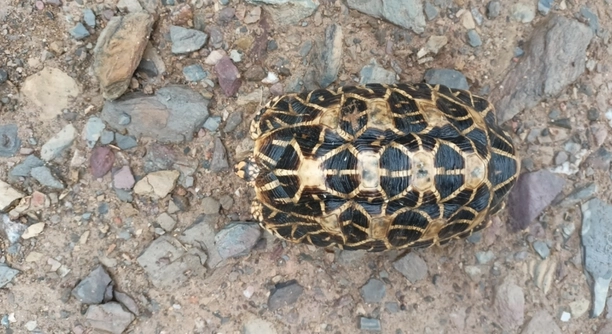
Many people enjoy keeping star tortoises as pets, but misconceptions about their care are common. These myths can affect their well-being and lead to unnecessary confusion. It’s important to separate fact from fiction when it comes to their needs.
Star tortoises are often misunderstood, with myths surrounding their diet, habitat, and behavior. Debunking these myths is essential for proper care, as these tortoises require specific environmental conditions and a balanced diet for healthy, long-lasting lives.
By understanding the truth behind these myths, you can provide a better life for your star tortoise. This knowledge is crucial for their overall care and well-being.
Star Tortoises Can Live in Small Cages
Many people believe that star tortoises are fine living in small enclosures, but they need a large space to thrive. Tortoises are naturally active and require room to roam and explore. A small cage restricts their movement, which can lead to stress and health problems. Without enough space, they may not get the proper exercise they need, resulting in a weakened immune system and potential shell deformities. A spacious enclosure allows them to forage, stretch their legs, and stay active, helping to prevent obesity and joint issues. It’s crucial to provide an appropriately sized habitat to ensure their long-term well-being.
A large enclosure also makes it easier to create a more natural environment. With plenty of space, you can add plants, rocks, and logs that mimic their natural habitat, providing mental stimulation. Without these elements, they may become bored and inactive, affecting their health.
Providing enough room for your star tortoise will give them the freedom to live a healthier, more active life. It’s important to remember that bigger is always better when it comes to tortoise enclosures.
Star Tortoises Only Eat Lettuce
Many people believe that lettuce is a suitable staple for star tortoises. While it may seem like an easy food option, lettuce is not nutritious enough for these reptiles. Star tortoises require a varied diet with plenty of fiber, calcium, and essential nutrients to stay healthy. Feeding them only lettuce can lead to malnutrition and weakened bones. Instead, offer a mix of leafy greens like dandelion greens, collard greens, and mustard greens. Additionally, provide grasses, flowers, and high-fiber plants to mimic their natural diet in the wild.
Over time, a poor diet can result in health complications, including metabolic bone disease, which is common in reptiles fed improper diets. A balanced diet is necessary for maintaining a star tortoise’s overall health.
With the right nutrition, your star tortoise can thrive, avoid health problems, and live a long life. Offering a variety of foods will ensure they get everything they need to stay strong and healthy.
Star Tortoises Don’t Need UVB Lighting
Star tortoises require UVB lighting for proper health. Without it, they cannot metabolize calcium, which is essential for strong bones and shells. UVB light mimics natural sunlight, helping them synthesize vitamin D3, which is necessary for calcium absorption. Without this light, your tortoise may develop bone disease or a weakened shell.
To provide the necessary UVB exposure, use a UVB bulb designed for reptiles. Place it over the basking area to ensure that your tortoise receives enough light. Ensure the bulb is replaced regularly, as UVB strength decreases over time, even if the light is still functioning.
Providing proper UVB lighting helps star tortoises maintain a strong, healthy shell and avoid issues like softening of the bones or shell pyramiding. It’s a crucial aspect of their care that shouldn’t be overlooked.
Star Tortoises Can Survive on Just Water
Water is important for star tortoises, but it is not the only thing they need to survive. A proper diet, UVB lighting, and an appropriate habitat are all necessary to keep them healthy. Some believe that as long as they have water, they will be fine, but this is far from the truth. Star tortoises require a variety of environmental factors to thrive, not just hydration.
Aside from water, their habitat must be kept at the right temperature and humidity levels. Too much or too little of either can lead to respiratory infections and dehydration. Additionally, tortoises need a well-balanced diet full of calcium and fiber to avoid health problems.
Water should always be available for hydration, but it’s only part of the equation. Offering the right conditions for your star tortoise will ensure they live a long and healthy life. Providing a balanced approach to their care is essential.
Star Tortoises Are Fully Herbivorous
While star tortoises primarily eat plants, they will occasionally eat insects or small amounts of animal matter in the wild. However, their diet should mostly consist of leafy greens, flowers, and grasses. Feeding them animal protein can upset their digestion and cause health issues.
A plant-based diet provides the necessary nutrients and fiber to keep them healthy. Offering a mix of greens such as dandelion, clover, and collard greens is essential. Be sure to avoid foods high in oxalates, like spinach, which can inhibit calcium absorption and lead to kidney issues.
Incorporating variety in their diet helps avoid nutritional imbalances. Make sure to provide a range of plants for a well-rounded meal plan.
Star Tortoises Only Need Heat to Stay Warm
Star tortoises need more than just heat to thrive. They require both heat and a temperature gradient in their enclosure. This allows them to regulate their body temperature by moving between cooler and warmer areas. Without a proper heat gradient, they may become lethargic or stressed.
Temperature fluctuations are essential for their metabolism, so it’s important to monitor both the basking spot and cooler areas. Too much heat can lead to dehydration and heat stress, while too little can cause digestive issues. Always ensure they have access to a variety of temperatures for optimal health.
Star Tortoises Can Live Without Proper Substrate
Substrate plays a key role in maintaining the health of a star tortoise. Without it, their environment becomes unstable and unclean. Substrate helps regulate humidity and prevents injury by providing a softer surface for movement. It also allows them to dig and burrow, a behavior they naturally engage in.
A substrate such as coconut coir, grass, or shredded newspaper can be used. Avoid sand or gravel, as it may cause impaction if ingested. Keep the substrate clean to prevent bacterial growth and ensure your tortoise has a comfortable and safe environment.
FAQ
How often should I feed my star tortoise?
Star tortoises should be fed every day or every other day, depending on their age and activity level. Hatchlings and younger tortoises need more frequent feedings to support their growth. Adults can be fed every two days. Always ensure that the food is fresh and varied, including a mix of leafy greens, grasses, and edible flowers.
What should I do if my star tortoise isn’t eating?
If your star tortoise refuses food, it could be due to stress, illness, or environmental factors. First, check the temperature and humidity levels in their enclosure, as these factors significantly impact their appetite. If the conditions are right and they still refuse to eat, monitor for signs of illness, such as lethargy or respiratory issues. If the refusal persists, consider consulting a veterinarian.
Can I keep more than one star tortoise together?
It is generally not recommended to house multiple male star tortoises together, as they may become aggressive toward each other. Female star tortoises can sometimes live together, but it’s essential to ensure plenty of space to avoid territorial behavior. Always provide enough room, hiding spots, and resources to reduce potential conflicts.
How do I provide UVB lighting for my star tortoise?
To provide UVB lighting, place a UVB bulb over the basking area in your tortoise’s enclosure. The light should be on for 10 to 12 hours a day to mimic natural sunlight. Ensure the bulb is the correct type, such as a fluorescent tube or mercury vapor bulb. Replace the bulb every six months, as UVB output decreases over time, even if it still provides visible light.
What is the ideal temperature for a star tortoise’s enclosure?
The basking spot for a star tortoise should be around 90-95°F (32-35°C), while the cooler end of the enclosure should be around 75-80°F (24-27°C). This temperature gradient allows them to regulate their body temperature by moving between the warm and cooler areas. Ensure that the enclosure has both a heated area and a shaded area.
Can I bathe my star tortoise?
Yes, bathing your star tortoise is beneficial for hydration and maintaining good health. Fill a shallow dish with warm water and allow the tortoise to soak for 20-30 minutes. This helps prevent dehydration, encourages hydration, and can also aid in digestion. Be sure to supervise them while bathing and avoid using water that is too hot.
How can I tell if my star tortoise is sick?
Signs of illness in star tortoises include lack of appetite, lethargy, nasal discharge, wheezing, swollen eyes, or unusual behavior. If you notice any of these symptoms, it’s essential to consult a veterinarian who specializes in reptiles. Early detection and treatment are crucial for ensuring a healthy recovery.
What kind of substrate should I use for my star tortoise’s enclosure?
Use substrates like coconut coir, organic topsoil, or grass hay for your star tortoise’s enclosure. Avoid sand or gravel as they can cause digestive issues if ingested. The substrate should be soft enough for digging but also able to retain moisture to maintain proper humidity levels. Keep it clean by removing waste daily.
How big does a star tortoise get?
Star tortoises typically grow to around 10-12 inches (25-30 cm) in length when fully grown, although some individuals can be slightly larger. Males tend to be slightly smaller than females. They can live for several decades, so proper care is necessary to ensure they stay healthy throughout their life.
Can star tortoises be kept outside?
Star tortoises can be kept outside in suitable climates, but only in areas where the temperature remains consistently warm. If you live in a colder climate, it is best to keep them indoors to regulate their temperature. Ensure the outdoor enclosure is secure, with plenty of shade and hiding spots to protect them from predators and extreme weather conditions.
How often should I clean my star tortoise’s enclosure?
Cleaning the enclosure should be done regularly. Spot clean the habitat daily by removing any waste and leftover food. A full cleaning of the enclosure, including replacing the substrate and sanitizing surfaces, should be done once a month or whenever needed. This helps prevent bacteria buildup and maintains a healthy environment for your tortoise.
What is the best diet for a star tortoise?
A varied diet of leafy greens, grasses, edible flowers, and plants is best for a star tortoise. They need high-fiber, calcium-rich foods to support healthy shell growth and digestion. Avoid feeding them fruits and vegetables that are too high in water content, like lettuce, as they provide little nutritional value.
Final Thoughts
Star tortoises are fascinating creatures that require specific care to thrive. Understanding their natural habits and environmental needs is key to providing a comfortable and healthy habitat. They need access to proper heat, UVB lighting, and a varied diet of plants to maintain their health. Their care requirements might seem demanding at first, but with a little attention to detail, they can live long, happy lives in captivity.
It’s important to remember that star tortoises are not just pets; they are long-term companions. They can live for decades, so the commitment to their care is significant. By providing the right living conditions and routine health checks, you help ensure they stay healthy and active. Regular cleaning, a balanced diet, and a well-maintained enclosure are the cornerstones of their care.
Overall, star tortoises are hardy reptiles that reward their owners with their unique appearance and behavior. While their care might require some effort, the satisfaction of seeing them thrive makes the experience worthwhile. The key to keeping them healthy lies in understanding their specific needs, such as temperature regulation, diet, and mental stimulation. With the right approach, star tortoises can be a wonderful addition to any home.

Hello,
If you enjoy the content that we create, please consider saying a "Thank You!" by leaving a tip.
Every little bit helps us continue crafting quality advice that supports the health, happiness, and well-being of pets around the world, for pets of all shapes, sizes, and species.
We really appreciate the kindness and support that you show us!