
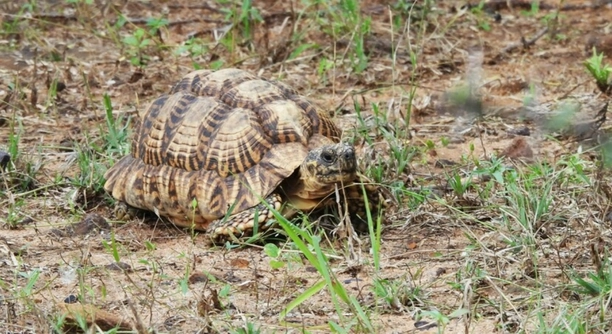
A healthy star tortoise relies on proper hydration to thrive. Dehydration can cause serious health issues if not addressed, and it can sometimes be tricky to spot early signs. Recognizing dehydration early is key to providing care.
Star tortoises can show dehydration through various physical signs. These include sunken eyes, dry skin, lethargy, and a noticeable decrease in appetite. Keeping track of your tortoise’s behavior and physical condition can help you spot these warning signs early.
Recognizing these signs will help you provide the right care for your star tortoise. Proper hydration is essential for their well-being, so it’s important to act quickly if dehydration is suspected.
Sunken Eyes
One of the most noticeable signs of dehydration in a star tortoise is sunken eyes. Healthy tortoises have clear, round eyes that appear full and bright. When dehydrated, their eyes often appear hollow or sunken into the sockets. This change occurs because the body is conserving moisture, which affects the eye’s fluid retention. If you observe this sign, it’s essential to check other aspects of your tortoise’s health as well. Early action can prevent further complications.
Sunken eyes are often one of the first signs of dehydration in tortoises. Keeping an eye on their appearance can help catch issues early.
If your star tortoise’s eyes look sunken, it’s important to act quickly. Provide water for them to drink and ensure they have access to a humid environment. Rehydrating your tortoise may involve offering water in a shallow dish and occasionally misting them with water. In some cases, you may need to soak your tortoise in lukewarm water for 20-30 minutes to help with rehydration. Monitor their condition for improvement over the next few hours, and make sure they are not becoming more lethargic. If dehydration persists, consulting with a vet may be necessary to ensure they receive the proper care.
Dry Skin
Another indicator of dehydration is dry, flaky skin. Star tortoises have smooth, healthy skin when properly hydrated. If the skin begins to appear dull, rough, or cracked, it’s a sign that your tortoise may be dehydrated. This can affect their ability to shed old skin properly.
Dry skin can often lead to further complications like infection if left untreated. It’s important to identify and address dehydration as soon as possible to avoid more severe health issues.
When the skin of your tortoise looks dry, start by offering them a moist environment. Mist the enclosure regularly, especially during dry or hot periods. You can also provide a shallow water dish for soaking, which can encourage hydration. If the dryness continues for several days or worsens, it could indicate that your tortoise is severely dehydrated. Keep monitoring the skin closely, and ensure that they’re being properly hydrated. In some cases, a veterinarian’s guidance may be needed to determine the cause and treat any underlying issues.
Lethargy
Lethargy is a clear sign of dehydration in a star tortoise. A dehydrated tortoise will often move slower than usual and may spend more time hiding in its shell. They may not be as active or curious as they typically are.
If your tortoise is lethargic, it could be because it’s not getting enough water. When hydration levels drop, their energy decreases, making them less inclined to move around. You might notice that your tortoise isn’t showing interest in food either. Provide water or soak your tortoise in a shallow dish to help rehydrate it. Ensure they have access to proper humidity levels in their habitat, as this can aid in rehydration. If lethargy continues for more than a day, it may be time to contact a vet for further assessment.
Lethargy can be an early sign of dehydration or stress. If the issue is left unaddressed, it can worsen. Dehydration can also lead to a weakened immune system, making your tortoise more vulnerable to other health issues. Always be observant of their behavior, especially when they start to act slower than usual.
Decreased Appetite
A decreased appetite can be a subtle but important sign of dehydration in star tortoises. When a tortoise is dehydrated, it may lose interest in food. This lack of appetite is usually accompanied by other signs like lethargy or sunken eyes.
If your tortoise is turning down its food, dehydration may be the cause. A well-hydrated tortoise is usually eager to eat, and any lack of appetite should raise concern. Try offering fresh food or soaking the tortoise in water for a short period. Sometimes, a tortoise may refuse food when it’s not feeling well, so giving it the chance to rehydrate may help stimulate its appetite. If the loss of appetite persists, be sure to consult a vet to rule out other health problems that may be contributing to the lack of interest in food. Regularly checking their hydration levels is key to avoiding such issues.
Hard, Dry Droppings
Hard, dry droppings are a sign that your star tortoise may be dehydrated. When a tortoise doesn’t get enough water, its digestive system slows down, leading to harder and drier feces. This can also affect their overall health.
If your tortoise’s droppings appear unusually hard or dry, it’s time to increase hydration. Dehydration can impact digestion, so offering water or a soak will help soften the droppings. Make sure their habitat has proper humidity levels, as this helps with digestion and hydration. Regularly check the consistency of your tortoise’s droppings to spot any changes early. If this problem persists, it’s best to consult a vet.
Shrunken, Shriveled Appearance
When dehydrated, your star tortoise may appear shriveled or shrunken. This is especially noticeable around the limbs and skin, which may appear tighter than usual. This can happen when the body loses moisture and begins to shrink to conserve fluids.
If your tortoise looks shrunken, it’s a clear indicator that it needs hydration. A well-hydrated tortoise has a smooth and plump appearance, while dehydration can cause its body to contract. Soaking the tortoise in lukewarm water for about 20-30 minutes can help replenish fluids and return it to a more normal state. Ensure its environment maintains proper humidity and provide access to fresh water regularly.
Trouble Walking
Dehydrated tortoises may have difficulty walking. Their muscles weaken as their body struggles to maintain hydration, making movement slower and more labored. This lack of coordination can be an alarming sign.
If your tortoise is struggling to walk or seems unsteady, dehydration could be the cause. Proper hydration is essential for muscle function, and without it, the tortoise may show signs of weakness. Rehydrate the tortoise by providing access to water and a humid environment. If this issue continues, a visit to the vet may be necessary to prevent further health complications.
FAQ
How can I tell if my star tortoise is dehydrated?
The main signs of dehydration in a star tortoise are sunken eyes, dry or flaky skin, lethargy, decreased appetite, hard or dry droppings, and trouble walking. If your tortoise exhibits any of these symptoms, it’s important to rehydrate them as soon as possible. Keep an eye on their behavior and physical appearance to catch dehydration early.
What should I do if my star tortoise is dehydrated?
If you notice signs of dehydration, provide your tortoise with a shallow dish of water to drink from. Soaking them in lukewarm water for 20-30 minutes can help them rehydrate faster. Ensure their habitat has proper humidity, as this can help them stay hydrated. If the dehydration persists or worsens, consult a vet.
How often should I hydrate my star tortoise?
A star tortoise should have access to fresh water every day. In addition to drinking, they can benefit from occasional soaks to maintain proper hydration. Depending on their environment (e.g., humidity and temperature), they may need more frequent soaking. Adjust water intake based on your tortoise’s behavior and health.
Can a dehydrated star tortoise recover?
Yes, a dehydrated star tortoise can recover if the issue is addressed promptly. Soaking the tortoise in water and ensuring they have access to fresh drinking water can help rehydrate them. The recovery time depends on the severity of dehydration, but most tortoises show improvement after a short period of rehydration. If symptoms do not improve, seek veterinary care.
What are the long-term effects of dehydration on a star tortoise?
If dehydration is left untreated, it can lead to severe health issues such as kidney problems, digestive issues, and even organ failure. Chronic dehydration can weaken the tortoise’s immune system, making it more susceptible to infections. It is vital to address dehydration as soon as possible to avoid lasting damage to your tortoise’s health.
Can I force my star tortoise to drink water?
It is not recommended to force a tortoise to drink water, as this can cause stress and harm. Instead, you can encourage your tortoise to drink by offering water in a shallow dish or gently soaking them. Allow the tortoise to drink on its own. If it refuses, continue to monitor their hydration levels and offer hydration options in a non-stressful way.
How can I prevent dehydration in my star tortoise?
To prevent dehydration, ensure your star tortoise has access to fresh water every day. Maintain proper humidity levels in their habitat, as this helps them stay hydrated. Soak your tortoise in lukewarm water every few days, especially if your environment is dry. Keep an eye on their behavior and appearance to catch any early signs of dehydration.
Can a star tortoise drink too much water?
It’s rare for a star tortoise to drink too much water. They typically drink as much as their body needs. However, if you notice that your tortoise is drinking excessively and showing other signs of illness, this could indicate an underlying health issue, and a vet should be consulted.
What is the best way to soak my star tortoise?
To soak your star tortoise, fill a shallow dish or container with lukewarm water, enough to cover the tortoise’s legs and part of its shell. Ensure the water is not too hot or too cold, as this can stress the tortoise. Let the tortoise soak for 20-30 minutes and monitor them closely.
Does temperature affect hydration in star tortoises?
Yes, temperature plays a significant role in hydration. If the environment is too hot, your star tortoise may become dehydrated more quickly. Ensure the habitat has a balanced temperature and humidity level, as this helps regulate hydration. During colder months, reduce the temperature to prevent stress and dehydration.
Final Thoughts
Proper hydration is essential for the health and well-being of your star tortoise. Like all reptiles, they rely on a balanced intake of water to support their bodily functions, including digestion, circulation, and overall metabolism. Dehydration can lead to serious health issues if left unchecked, such as kidney damage, digestive problems, and a weakened immune system. By recognizing the warning signs of dehydration early, you can take immediate steps to help your tortoise recover and avoid further complications. This includes providing access to fresh water, soaking them regularly, and maintaining the proper humidity in their habitat.
Monitoring your tortoise’s hydration regularly is key. Simple changes, like adding a water dish or ensuring the humidity levels are right, can make a big difference. It’s also helpful to keep an eye on their behavior and appearance. If you notice any signs of dehydration, such as sunken eyes, dry skin, or a decrease in appetite, it’s essential to act quickly. You can offer water in a shallow dish or soak your tortoise in lukewarm water to help rehydrate them. If the symptoms persist or worsen, don’t hesitate to seek advice from a vet.
Preventing dehydration in the first place is always better than having to treat it. Regular soaking, providing fresh water daily, and keeping their environment humid enough to support hydration are all important steps. Star tortoises are resilient creatures, but they rely on their owners to meet their basic needs. By staying vigilant and attentive to their hydration, you ensure a long, healthy life for your tortoise.

Hello,
If you enjoy the content that we create, please consider saying a "Thank You!" by leaving a tip.
Every little bit helps us continue crafting quality advice that supports the health, happiness, and well-being of pets around the world, for pets of all shapes, sizes, and species.
We really appreciate the kindness and support that you show us!