
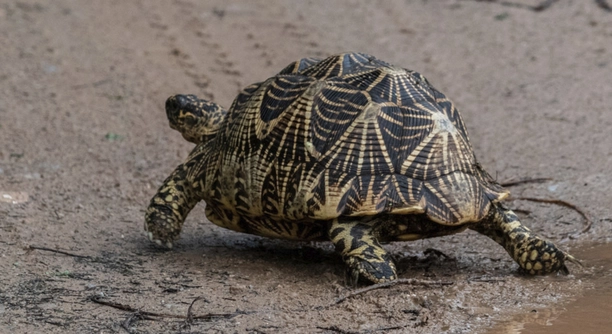
A star tortoise is a fascinating creature, but sometimes it can become nervous or stressed. Understanding the reasons behind this nervousness can help you provide better care for your pet. Identifying these factors is key.
Several factors can cause your star tortoise to feel nervous, including improper habitat conditions, sudden temperature changes, loud noises, or lack of hiding spots. Stress can also arise from poor diet or inadequate social interaction with humans or other tortoises.
Addressing these concerns can create a more comfortable environment for your tortoise. Proper care and attention can help reduce their stress and ensure a happier life.
Inadequate Habitat Conditions
A star tortoise needs a suitable habitat to feel safe and secure. If their environment is too small or lacking proper hiding spots, they can become anxious. Providing a spacious enclosure with areas to hide and explore helps them feel comfortable. It’s also essential to keep the enclosure clean and provide the right substrate for burrowing, as they are naturally inclined to do so in the wild. The temperature within the habitat should be maintained between 80°F and 90°F during the day, with a basking area slightly warmer. A poorly maintained habitat can lead to stress and make your tortoise feel unsafe.
Temperature and humidity levels also play a significant role in your star tortoise’s comfort. Ensure that the habitat offers a proper temperature gradient, allowing the tortoise to regulate its body temperature as needed. If the temperature is too hot or cold, your tortoise may become stressed, making it more likely to display nervous behaviors.
To create the best environment, invest in the right equipment, including heat lamps, thermometers, and hygrometers. With the proper setup, your star tortoise can thrive.
Sudden Changes in Temperature
Sudden temperature changes can make your star tortoise feel uncomfortable. A consistent environment helps them feel safe.
Changes in temperature can also affect their behavior and health. Maintaining a stable temperature range prevents unnecessary stress. When the environment fluctuates rapidly, your tortoise may become anxious and retreat into its shell.
Loud Noises and Sudden Movements
Star tortoises are sensitive to loud noises and sudden movements. If your tortoise’s environment is near a high-traffic area, it may feel uneasy. Even sounds like TV or household appliances can cause distress.
To reduce stress, place your tortoise’s habitat in a quiet, low-traffic area of the house. Avoid making sudden loud noises, especially near the enclosure. If you’re cleaning or interacting with your tortoise, try to keep movements slow and calm. Giving them time to adjust to their surroundings can help maintain their sense of security.
Repeated exposure to loud sounds or erratic movements can make your star tortoise anxious, leading to avoidance behaviors or excessive hiding. The key is consistency, so your tortoise feels that its home is a safe place to relax.
Lack of Hiding Spots
If your star tortoise doesn’t have a place to hide, it may feel exposed and anxious. These creatures enjoy solitude and security.
Providing hiding spots, such as small caves or leafy areas, helps your tortoise feel protected. They can retreat when they feel threatened or simply need a quiet place to relax. In the wild, they would naturally seek shelter to escape predators or harsh weather conditions.
Hiding spots give your tortoise a sense of safety and allow it to explore at its own pace. A well-designed enclosure with various hiding places encourages natural behaviors and reduces nervousness.
Poor Diet
A poor diet can leave your star tortoise feeling weak and stressed. Without the right nutrients, your tortoise may become nervous or show signs of discomfort.
Make sure to offer a balanced diet rich in fiber, calcium, and vitamins. A mix of leafy greens, vegetables, and occasional fruits is essential for their health. Avoid feeding them foods that are high in oxalates, as these can interfere with calcium absorption. A malnourished tortoise can become anxious and reluctant to eat.
A proper diet supports your tortoise’s immune system, reducing stress levels. Healthy eating habits contribute to overall well-being, making your star tortoise less likely to feel nervous.
Inadequate Social Interaction
Star tortoises are solitary creatures, but they still need some social interaction. Too much isolation or stress due to lack of human contact can cause anxiety.
Spending time with your tortoise can help reduce feelings of loneliness. Just ensure the interaction is calm and doesn’t overwhelm them. Regular, gentle handling will help build trust between you and your tortoise, making them feel more secure.
FAQ
What are the signs of a nervous star tortoise?
A nervous star tortoise might show signs like hiding more often, being less active, or retreating into its shell at the slightest disturbance. If your tortoise seems overly shy or easily startled, it’s a good sign that something is making it feel anxious. They may also stop eating or exhibit erratic movements, which is another indication of stress.
How can I calm a nervous star tortoise?
To calm a nervous star tortoise, first ensure its habitat is quiet, stable, and spacious. Reduce the presence of loud noises and sudden movements. Also, provide plenty of hiding spots where your tortoise can retreat when feeling stressed. Patience is key—give them time to adjust and avoid overwhelming them with constant interaction. A proper diet will also help support their overall well-being, making them less likely to feel stressed.
Is it okay to handle my star tortoise if it’s nervous?
It’s best to avoid handling your star tortoise too much if it’s showing signs of nervousness. Overhandling can increase stress levels and make them more anxious. Instead, allow them to get used to their environment and interact with them gently when they seem ready. Gradually building trust through calm and infrequent handling can help.
Can temperature fluctuations make my tortoise nervous?
Yes, sudden temperature changes can cause stress. Star tortoises are sensitive to temperature, and extreme fluctuations in their habitat can make them feel uncomfortable. Maintaining a consistent temperature in their enclosure is important. A proper temperature gradient will allow your tortoise to regulate its body temperature naturally, reducing anxiety.
How do I know if my star tortoise is sick or just stressed?
It can sometimes be difficult to tell if your star tortoise is sick or stressed. If your tortoise is showing signs like not eating, lethargy, or abnormal behavior, it could be a sign of illness or stress. However, if these behaviors are accompanied by physical symptoms such as discharge from the nose or eyes, swollen limbs, or a change in the shell’s condition, it’s time to consult a veterinarian. Stress-related behavior tends to improve once the environment is adjusted.
Can I place my tortoise outside in the sun?
Yes, star tortoises enjoy sunlight, but you must ensure they have a safe, enclosed outdoor area. Exposure to natural sunlight provides essential vitamin D3, which helps in calcium absorption. However, the sun should not be too intense, and the tortoise must have access to shaded areas to escape the heat. Always supervise your tortoise during outdoor time to prevent accidents or predators from harming them.
How often should I clean my star tortoise’s enclosure?
Regular cleaning of the enclosure is essential for your tortoise’s health. Spot clean daily by removing uneaten food and waste. A deep cleaning should be done every 1-2 weeks. This includes replacing the substrate, cleaning surfaces, and disinfecting all items in the habitat. A clean environment reduces stress and prevents the growth of harmful bacteria.
Can other pets in the house cause my tortoise to be nervous?
Yes, other pets can cause your tortoise to feel stressed, especially if they are noisy or overly curious. Cats, dogs, or other animals might try to approach the tortoise, which can make it feel threatened. Keep your tortoise’s habitat in an area where it can feel safe from other pets. If they are housed near other animals, use barriers to keep them separated and prevent stress.
What should I do if my star tortoise isn’t eating?
If your star tortoise stops eating, it may be a sign of stress or illness. Ensure that its habitat is set up properly and that the temperature, humidity, and diet are all correct. Stressors such as loud noises or being housed with other animals can also affect appetite. If your tortoise still refuses food for an extended period, seek advice from a veterinarian to rule out any medical issues.
Is it normal for my star tortoise to be shy?
Yes, star tortoises are naturally shy and solitary creatures. They may need time to adjust to new environments or people. Over time, they may become more comfortable around you, but it’s important not to push them into situations where they feel overwhelmed. Let them come to you on their own terms.
Final Thoughts
Taking care of a star tortoise requires attention to their environment, diet, and general well-being. These creatures are naturally shy and sensitive, so understanding what might make them nervous is essential for their comfort and health. Factors like noise, sudden movements, lack of hiding spots, and improper care can all contribute to a stressed tortoise. It’s important to make adjustments to their habitat to provide a sense of safety and security, ensuring that they can live a calm and healthy life.
One of the most important things to remember is that star tortoises are creatures of habit. They thrive in environments that are stable and predictable. A sudden change in temperature, habitat, or diet can cause anxiety. Providing a consistent, quiet, and comfortable space allows them to adjust more easily and avoid unnecessary stress. Offering them enough hiding spots where they can retreat when they feel overwhelmed also makes a huge difference in their overall comfort. Patience is key, as it may take time for your tortoise to become accustomed to any new changes you make.
Finally, remember that nervousness or stress in your tortoise isn’t always a sign of something severe, but it’s essential to address the issue as soon as possible. Whether it’s adjusting their enclosure, offering more nutritious food, or ensuring they have enough interaction, small changes can make a big difference in reducing their anxiety. By closely monitoring their behavior and making thoughtful adjustments, you can ensure that your star tortoise feels safe, comfortable, and stress-free in its home.

Hello,
If you enjoy the content that we create, please consider saying a "Thank You!" by leaving a tip.
Every little bit helps us continue crafting quality advice that supports the health, happiness, and well-being of pets around the world, for pets of all shapes, sizes, and species.
We really appreciate the kindness and support that you show us!