
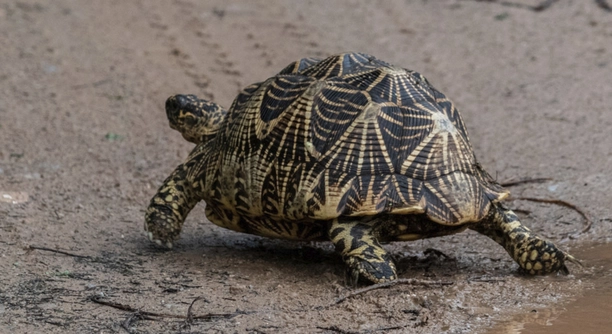
Transporting a Star Tortoise requires care and attention to ensure its safety and comfort. Knowing the best practices can make the journey easier for both you and your pet.
To safely transport a Star Tortoise, ensure the container is well-ventilated, secure, and large enough for the tortoise to move comfortably. Avoid overheating or chilling the animal during the trip and limit stress by keeping the environment quiet and stable.
By following a few essential tips, you can provide a safe and smooth experience for your Star Tortoise. Ensuring its well-being during transport is crucial to avoid any unnecessary stress or injury.
Choosing the Right Container for Transport
When transporting a Star Tortoise, it is essential to select the right container. The container should be spacious enough for the tortoise to turn around and stretch its legs but not too large, as excessive space can lead to stress. A secure lid or top is necessary to prevent the tortoise from escaping. A well-ventilated container ensures proper airflow, which is important for the tortoise’s health. Plastic containers with ventilation holes or specially designed reptile transport boxes are ideal choices.
The container’s base should be lined with soft bedding, such as towels or a non-absorbent mat, to prevent injury. You can also add a small dish of water to keep your tortoise hydrated, but make sure it’s shallow enough to avoid drowning.
Keeping your tortoise in a calm and stable environment will help it feel secure. Avoid sudden bumps or jostles by securing the container in your vehicle, keeping it upright to prevent any accidents. A steady, smooth ride reduces stress and helps your pet feel comfortable.
Maintaining Temperature Control
Temperature is one of the most critical factors to consider while transporting your Star Tortoise.
Star Tortoises are cold-blooded and rely on external temperatures to regulate their body heat. Make sure the transport container is kept within a safe temperature range, typically between 75°F and 85°F (24°C to 29°C). If it’s too cold or too hot, it could cause your tortoise distress or harm. Avoid placing the container in direct sunlight or near sources of heat that could raise the temperature too high.
To maintain an ideal temperature, use heat packs or cooling packs depending on the weather conditions. Make sure these are safely secured inside the container to prevent direct contact with your tortoise. During extreme temperatures, try to plan the transport during cooler parts of the day to avoid overheating.
Keeping the temperature consistent is essential for the well-being of your tortoise. If you’re unsure of the temperature, a portable thermometer can help monitor the environment.
Minimizing Stress During Transport
Star Tortoises are sensitive to stress, so it’s important to keep their environment calm. Avoid sudden movements or loud noises that could cause anxiety. A quiet, dark container can help keep them calm and minimize external distractions.
During transport, try to keep the container as stable as possible. Avoid placing it in areas that may experience heavy vibrations or rapid movements, like the back of a truck. The more stable the environment, the less your tortoise will feel stressed.
If possible, limit the duration of transport to reduce the amount of time the tortoise is exposed to stress. Long trips can be tiring for your pet, so take breaks if needed and keep an eye on its condition. Make sure to avoid overcrowding with other animals in the same space, as this can add additional stress.
Avoiding Dehydration
Dehydration is a common issue for reptiles during transport, so it’s crucial to keep your tortoise hydrated.
Before transport, make sure your tortoise has access to water. Depending on the trip’s length, you can add a shallow dish of water to the container. If your trip is longer, consider moistening the bedding or providing a small damp sponge for drinking.
Keep in mind that tortoises can become stressed and may not drink during transport. Check periodically for signs of dehydration, such as lethargy or dry skin. If the transport is lengthy, it’s worth offering water every few hours to keep your tortoise hydrated. If dehydration becomes a concern, consider a quick stop to allow your tortoise to drink.
Checking for Injuries Before Transport
Before transporting your Star Tortoise, make sure it’s in good health. Look for any signs of injury, such as limping, swelling, or open wounds. If your tortoise shows any of these signs, it’s best to consult with a veterinarian before transporting.
Even minor injuries can be exacerbated by stress or rough handling. Taking the time to inspect your tortoise ensures it’s fit for the trip and helps prevent further complications. If any issues are found, address them first to make the transport safer and more comfortable for your pet.
Securing the Container
Properly securing the transport container is key to preventing injury during the trip.
Make sure the container is placed in a stable position inside your vehicle. It should not be able to tip over or slide during the ride. Use straps or other methods to keep the container in place if needed.
Check periodically during the trip to ensure that the container remains secure. This will help prevent jostling, which could cause stress or injury to your tortoise. Additionally, securing the container helps keep your tortoise safe from unexpected bumps or sudden stops.
Keeping the Environment Quiet
Keeping the transport area quiet will help reduce stress for your Star Tortoise.
Loud noises can frighten reptiles and cause anxiety. Try to limit the noise in the car, especially if the tortoise is sensitive to sound. Avoid talking loudly or playing music at high volumes.
FAQ
How long can a Star Tortoise be transported?
Star Tortoises can be transported for up to 24 hours, depending on the conditions. However, it’s best to keep trips as short as possible to minimize stress. Long durations can cause dehydration, temperature fluctuations, or injury. If a longer trip is unavoidable, make sure to check on your tortoise regularly for any signs of stress or discomfort. Take breaks to offer water and monitor temperature levels to ensure the environment remains suitable. Try to limit the time spent in transport, especially in unfamiliar surroundings.
What should I do if my Star Tortoise stops eating during transport?
It’s common for a Star Tortoise to refuse food during transport due to stress. The lack of appetite should not be a major concern unless it lasts for several days. Tortoises often stop eating when stressed or uncomfortable. Make sure your tortoise is hydrated and ensure the transport environment is calm and stable. If the lack of eating continues after the trip, it’s a good idea to consult with a veterinarian to rule out any health problems. After the transport, offer familiar food to encourage eating and help your tortoise settle.
Is it safe to transport a Star Tortoise in a car?
Yes, it is safe to transport a Star Tortoise in a car as long as the container is secured and the temperature is controlled. Keep the container in a flat position, away from direct sunlight or areas with temperature extremes. It’s important to ensure that the car ride is smooth and stable, so your tortoise isn’t jolted around. Avoid placing the container on the floor of the car where it may move or get bumped during the ride. A safe and calm environment will make the trip less stressful for your tortoise.
Can I transport a Star Tortoise by plane?
Transporting a Star Tortoise by plane is possible, but it requires careful preparation. Many airlines have specific rules for transporting reptiles, and you will need to use a suitable travel crate approved by the airline. Be sure to check the airline’s requirements well in advance to ensure the crate meets their guidelines. Additionally, confirm that the flight duration is manageable, and avoid flights during extreme weather conditions. You may need to coordinate with a veterinarian to ensure your tortoise is fit for air travel.
How do I know if my Star Tortoise is stressed during transport?
Signs of stress in a Star Tortoise during transport include excessive hiding, rapid breathing, or trying to escape the container. If your tortoise is visibly anxious, it might retract into its shell and remain motionless. Stress can also lead to decreased activity, loss of appetite, or excessive drooling. If you notice these behaviors, it may be helpful to reduce noise and movement in the vehicle, check the temperature, and offer water. If the stress persists, it’s important to stop and assess the situation before continuing the trip.
Can I let my Star Tortoise roam free during transport?
No, it’s not safe to allow your Star Tortoise to roam free during transport. Free movement can lead to injury or stress, especially if the vehicle moves suddenly or encounters bumps. It’s best to place your tortoise in a secure, well-ventilated container that prevents it from wandering. This will ensure that it remains safe and comfortable throughout the trip. Keeping the tortoise contained also helps minimize the risk of accidents and reduces stress for both the animal and the person transporting it.
What should I do if my Star Tortoise gets too hot or too cold during transport?
If your Star Tortoise gets too hot, it’s important to cool it down gradually. Remove the heat source or move it to a cooler environment. Offer water to rehydrate, but avoid drastic temperature changes, as this can be harmful. If your tortoise gets too cold, warm it up slowly by increasing the temperature of the surrounding area. You can use a heat pack or move the container to a warmer space, but avoid placing it directly on the heat source. Monitor the temperature regularly to ensure it stays within a safe range.
Should I transport a Star Tortoise in the dark?
While it’s not necessary to transport your Star Tortoise in total darkness, keeping the environment dim can help reduce stress. Tortoises are naturally more active during daylight hours, so a quiet, dark environment can encourage them to remain calm during transport. Avoid bright lights or direct sunlight, as this can agitate the tortoise. If you’re transporting the tortoise during the day, try covering the container with a cloth to block out excess light without restricting airflow.
Can I use a plastic bag to transport my Star Tortoise?
No, a plastic bag is not a safe or appropriate way to transport a Star Tortoise. Plastic bags do not provide adequate ventilation, which can cause the tortoise to overheat or suffocate. Additionally, the lack of stability and structure in a plastic bag can increase stress and lead to injury. Always use a proper, secure transport container that allows for ventilation and provides a stable environment for the tortoise. A sturdy plastic or cardboard box with ventilation holes is ideal.
How often should I check on my Star Tortoise during transport?
During transport, you should check on your Star Tortoise every few hours to ensure it is safe and comfortable. Look for any signs of distress, such as excessive hiding or abnormal breathing. If the transport is longer than a few hours, stop to offer water and ensure the temperature is stable. Frequent checks help ensure the tortoise’s well-being and allow you to make any necessary adjustments during the trip. For shorter trips, checking in once or twice may be sufficient, as long as everything is secure.
Final Thoughts
Transporting a Star Tortoise may seem challenging at first, but with the right preparation, it can be a smooth and safe experience. The key is to create a calm, stable environment for your tortoise throughout the journey. By choosing the right transport container, ensuring proper ventilation, and keeping the temperature in check, you help minimize stress and ensure your tortoise’s comfort. Planning ahead and paying attention to small details, like checking for injuries or dehydration, can make a big difference.
Remember that Star Tortoises are sensitive creatures, and their well-being during transport relies heavily on your care and attention. Avoid overcrowding the container, make sure it’s secured in the vehicle, and try to reduce any sudden movements that could upset your tortoise. The quieter and more stable the environment, the more likely your tortoise will feel safe and calm. Keeping the trip short and stopping for water or temperature checks when needed will help your tortoise stay hydrated and comfortable.
In the end, transporting a Star Tortoise safely doesn’t have to be difficult if you take the time to prepare. Being mindful of their specific needs and making sure everything is in place before hitting the road will lead to a better experience for both you and your pet. Whether it’s a short trip to the vet or a longer distance, following these tips ensures your Star Tortoise stays healthy, stress-free, and ready to continue its life in a safe environment.

Hello,
If you enjoy the content that we create, please consider saying a "Thank You!" by leaving a tip.
Every little bit helps us continue crafting quality advice that supports the health, happiness, and well-being of pets around the world, for pets of all shapes, sizes, and species.
We really appreciate the kindness and support that you show us!