
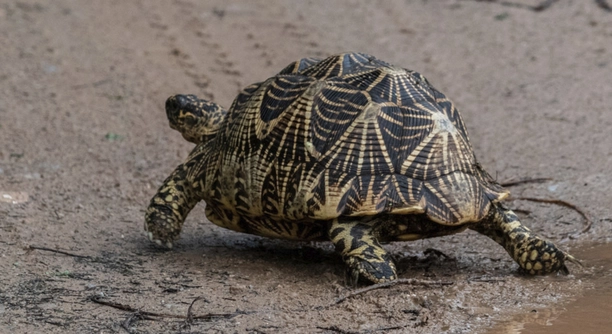
If you’ve noticed your star tortoise shaking, it might be unsettling. This behavior can sometimes be a sign of an underlying issue that needs attention. Understanding the cause will help ensure your tortoise stays healthy and comfortable.
Shaking in star tortoises is often caused by stress, illness, or environmental factors. Temperature imbalances, improper humidity, or malnutrition can lead to trembling. It’s important to closely observe your tortoise to determine the root cause and take necessary actions.
Identifying the cause of your tortoise’s shaking is essential for providing the right care. By exploring common reasons, you can ensure your pet stays healthy and happy. Keep reading to learn more about how to help your star tortoise.
Stress or Fear
Stress can be one of the most common reasons why a star tortoise may start shaking. This can happen if they are exposed to sudden changes in their environment, loud noises, or handling too frequently. Tortoises are naturally sensitive to their surroundings, and any disruptions can make them feel anxious. A tortoise that feels threatened may shake as a response to fear.
It’s important to create a calm and safe space for your star tortoise. If your pet has recently been moved to a new habitat or if there are other pets around, these changes can trigger stress.
Consider reducing noise levels around your tortoise and providing a quiet space where it can retreat. Avoid excessive handling or touching, especially during the adjustment period in a new environment. Make sure your star tortoise has plenty of hiding spots and access to warmth, which can help reduce stress levels and prevent shaking behavior. Creating a peaceful atmosphere for your pet will help it feel safe and comfortable again.
Temperature Imbalance
A temperature imbalance in the enclosure can lead to your tortoise shaking. If the environment is too hot or too cold, it can affect their health. Star tortoises thrive in temperatures ranging from 75°F to 90°F, with a basking spot around 95°F.
When temperatures are too low, a tortoise may begin to shiver to regulate its body heat. On the other hand, extreme heat can make a tortoise uncomfortable and cause stress, leading to shaking. Ensure that your tortoise’s habitat has proper heating and cooling zones so they can move to a comfortable area as needed.
Always check the temperature regularly to ensure it remains within the ideal range. If you notice your tortoise shaking despite maintaining the proper temperature, it’s worth investigating other possible causes such as humidity or health concerns. A stable environment will go a long way in preventing discomfort and stress in your star tortoise.
Illness or Infection
Illnesses or infections can make your star tortoise weak and cause shaking. Infections, like respiratory or gastrointestinal issues, affect their overall health. When they’re sick, they might tremble or show other signs like lethargy or a loss of appetite.
If you notice shaking combined with these other symptoms, it’s crucial to take your tortoise to a vet. Illnesses in reptiles can escalate quickly, so early intervention is key. Infections often affect a tortoise’s ability to regulate its body temperature, causing stress and shaking. Treatment might include antibiotics or changes in their diet and care routine.
Always be aware of changes in your tortoise’s behavior. If shaking is persistent or accompanied by other concerning symptoms, a visit to the vet is necessary. Regular check-ups can help prevent serious issues and keep your tortoise healthy. Prompt care ensures that your pet can recover quickly and return to a normal, comfortable state.
Poor Diet or Malnutrition
A poor diet can cause weakness and trembling in your tortoise. If it’s not getting the right nutrients, it can lead to shaking. Tortoises need a balanced diet that includes leafy greens, grasses, and the occasional fruit. Deficiency in calcium, vitamin D, or other essential nutrients is a common cause.
Without these nutrients, the tortoise’s bones may become weak, leading to instability and shaking. A lack of proper nutrition can also impact their overall energy levels. To fix this, you’ll need to adjust your tortoise’s diet and possibly add supplements. Make sure they are getting the right balance of vitamins and minerals.
If your star tortoise is not eating enough, it could also result in shaking. It’s important to monitor their food intake and ensure they are eating properly. Re-evaluating their diet will help restore their energy and stability, reducing any trembling. Regularly providing a well-rounded, nutritious diet is essential for your tortoise’s long-term health.
Dehydration
Dehydration can cause your star tortoise to shake. If your pet isn’t drinking enough water, it can become weak and dehydrated, which leads to trembling. Tortoises rely on consistent hydration to function properly.
To prevent dehydration, ensure your tortoise always has access to clean water. You can also offer water-rich vegetables like cucumber to boost hydration.
Dehydration can also result from a dry environment or lack of humidity. It’s essential to keep your tortoise’s enclosure humid enough to support healthy hydration levels. Regularly mist the enclosure to maintain proper moisture levels for your tortoise’s health.
Parasites
Parasites can invade your tortoise’s digestive system, causing discomfort and shaking. These can include internal parasites like worms or external parasites like mites. They can make your tortoise feel unwell and weak, leading to trembling.
If you suspect a parasite problem, look for other signs like changes in stool or unexplained weight loss. A vet can diagnose and treat the condition. Removing parasites from the environment and your tortoise will stop the shaking and help your pet regain its health. Keeping their habitat clean is also essential in preventing future infestations.
Incorrect Lighting
Incorrect lighting can affect your star tortoise’s health, leading to shaking. Tortoises need UVB light to process calcium and maintain healthy bones. Without it, they can develop bone problems and tremble.
UVB light is crucial for your tortoise’s ability to metabolize calcium from their food. If they’re not getting the proper amount of UVB, their body can’t function properly, which may result in shaking. Ensure your tortoise’s habitat has the right lighting setup to keep them healthy.
FAQ
What are the signs of stress in a star tortoise?
Stress in a star tortoise can show up in several ways, including shaking, hiding, or withdrawing from interaction. A stressed tortoise may also stop eating or drinking, leading to dehydration. It might also become more aggressive or more passive than usual. Changes in behavior like these indicate that something in the environment is affecting your tortoise. Reducing stressors such as loud noises, overcrowded spaces, or too much handling can help your tortoise feel safer and more at ease.
How do I know if my star tortoise has an infection?
Signs of infection in a star tortoise often include shaking, a loss of appetite, and lethargy. You may also notice discharge from the eyes, nose, or mouth, or changes in the stool. Respiratory infections can cause labored breathing or a wheezing sound. If your tortoise shows these symptoms, it’s best to take them to the vet for proper diagnosis and treatment. Early detection can prevent the infection from worsening and ensure quicker recovery.
How can I tell if my star tortoise is dehydrated?
Dehydration is a common issue for star tortoises. Signs include shaking, lethargy, dry skin, or sunken eyes. If your tortoise is not drinking water or eating water-rich vegetables, it may not be getting enough hydration. To help, offer fresh water daily and mist the enclosure regularly to maintain humidity. Dehydration can also cause constipation, so keeping your tortoise hydrated is essential for its overall well-being.
What should I do if my star tortoise isn’t eating?
If your star tortoise isn’t eating, it could be due to stress, illness, or improper temperature. Check the enclosure’s temperature, humidity, and lighting. Ensure it is within the appropriate range. If conditions are right and your tortoise still refuses food, it could be sick. A vet visit is necessary to rule out infections or other health issues. Make sure to offer a variety of fresh, nutritious foods to encourage eating. If your tortoise is refusing food for an extended period, seek professional help.
Is shaking normal for a star tortoise?
Shaking is not normal for a healthy star tortoise. It usually indicates an underlying problem, such as stress, illness, dehydration, or improper environmental conditions. If you notice your tortoise shaking, examine the enclosure’s temperature, lighting, and humidity. Also, check for any signs of infection or malnutrition. If the shaking persists, consult a veterinarian to determine the cause and get your tortoise back to good health.
How often should I feed my star tortoise?
Star tortoises should be fed daily or every other day, depending on their age and size. Young tortoises require more frequent feeding, while adults can be fed less often. Their diet should consist mainly of leafy greens, grasses, and other high-fiber plants. Avoid feeding them too many fruits or high-protein foods, as this can lead to health problems. Offering fresh food each time ensures they get the nutrients they need.
What are the best foods for a star tortoise?
The best foods for a star tortoise include leafy greens like dandelion, collard greens, and mustard greens. You can also provide grasses such as timothy hay, clover, and grass hays. These foods provide the necessary fiber for digestion. Avoid offering too much fruit, as it can upset the tortoise’s digestive system. A calcium supplement may also be recommended to support bone health. Fresh, pesticide-free vegetables are always the best option for a balanced diet.
How do I know if my star tortoise has parasites?
If your star tortoise has parasites, you may notice symptoms like weight loss, abnormal stool, or lethargy. Parasites can affect the digestive system, causing discomfort and poor digestion. A healthy tortoise should have firm, normal stool. If you suspect your tortoise has parasites, a visit to the vet is essential. They can perform tests and recommend the appropriate treatment to clear the parasites and restore your tortoise’s health.
What temperature should my star tortoise’s habitat be?
A star tortoise’s habitat should be kept between 75°F and 90°F, with a basking area that reaches around 95°F. The cooler side of the enclosure should be around 75°F, while the basking spot should provide warmth for your tortoise to absorb heat. It’s important to offer a temperature gradient so your tortoise can move to a cooler or warmer area as needed. Use a reliable thermometer to monitor the temperature regularly and ensure it stays consistent.
How can I create a suitable habitat for my star tortoise?
To create a suitable habitat for your star tortoise, ensure that the enclosure is spacious, allowing plenty of room for movement. Use a substrate like coconut coir or soil, and make sure there are places for your tortoise to hide and rest. Provide a basking light for warmth and a UVB light for calcium absorption. Keep the humidity between 50% and 60%, and mist the enclosure regularly to maintain moisture. A water dish should always be available for drinking and soaking.
In conclusion, if your star tortoise is shaking, it’s important to take the behavior seriously. Shaking is not a normal part of a tortoise’s daily routine and can indicate various health or environmental issues. These can range from stress, dehydration, or poor diet, to more serious conditions like infections or parasites. Understanding the possible causes of the shaking can help you figure out what might be wrong and how to fix it. Always observe your tortoise closely for any other signs that could point to the cause of the shaking.
Taking the right steps to address the issue is key to ensuring your star tortoise’s well-being. First, make sure the temperature, humidity, and lighting in the habitat are correct. These factors play a huge role in your tortoise’s health, and improper conditions can lead to stress or physical discomfort. If the shaking persists, check for signs of illness like lethargy, loss of appetite, or unusual behavior. If you see any of these, it’s time to consult with a veterinarian who can diagnose and treat any underlying health problems. Prompt attention to these issues will help prevent the shaking from becoming a more serious problem.
Finally, maintaining a healthy and stable environment is essential for your tortoise’s long-term health. Regularly providing fresh water, a balanced diet, and proper lighting will help keep your star tortoise healthy and prevent many of the issues that lead to shaking. Keeping your tortoise’s habitat clean, checking for any signs of illness, and ensuring that your pet is eating and drinking properly are all part of responsible pet care. By addressing the cause of the shaking and taking appropriate action, you can help your star tortoise live a long, healthy, and happy life.

Hello,
If you enjoy the content that we create, please consider saying a "Thank You!" by leaving a tip.
Every little bit helps us continue crafting quality advice that supports the health, happiness, and well-being of pets around the world, for pets of all shapes, sizes, and species.
We really appreciate the kindness and support that you show us!