
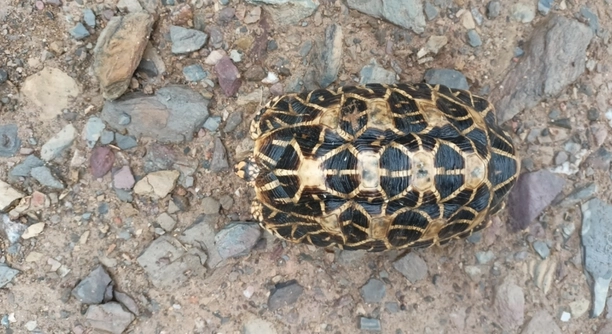
Star tortoises are known for their gentle nature and unique diet preferences. As a pet owner, you may wonder what foods are safe and nutritious for them. Bell peppers are often a tempting option to consider.
Star tortoises can eat bell peppers in moderation. The peppers are safe and can provide some health benefits, like vitamins A and C, which are good for their immune system and overall health.
While bell peppers can be a healthy addition to their diet, knowing the right amounts and types of vegetables for your star tortoise is essential.
Are Bell Peppers Nutritious for Star Tortoises?
Bell peppers are a great source of vitamins, especially vitamin A and C, which are essential for your star tortoise’s health. These nutrients help boost the immune system, support skin health, and promote good eyesight. The bright color of bell peppers also indicates the high level of antioxidants they contain. These antioxidants help protect the tortoise’s cells from damage, supporting overall health.
Though bell peppers are beneficial, they should not be the main food. Star tortoises thrive on a variety of leafy greens and vegetables, with bell peppers being an occasional addition. Too much of any one food could upset their delicate balance, leading to potential digestive issues.
Feeding your star tortoise bell peppers occasionally, along with their regular leafy greens like dandelion or clover, can offer a good boost to their diet. It’s important to chop the peppers into small, manageable pieces so that your tortoise can easily eat and enjoy them. While peppers provide great benefits, they should only be a small part of a well-rounded diet to ensure your tortoise stays healthy.
Health Benefits of Bell Peppers for Star Tortoises
Bell peppers provide several vitamins that contribute to your star tortoise’s health. Vitamin A supports vision, while vitamin C boosts immunity and helps in healing. They also contain fiber, which aids digestion.
The nutrients in bell peppers, especially when eaten in moderation, help keep your star tortoise’s immune system strong. Including peppers as a rare treat can contribute to their overall well-being. However, balance is key. Too much vitamin A or C can be harmful, leading to possible complications. The best approach is to offer bell peppers once in a while, ensuring a varied and nutrient-rich diet.
Risks of Feeding Bell Peppers Too Often
Feeding your star tortoise bell peppers regularly can lead to some health issues. While they are nutritious, too much vitamin A can cause toxicity. This can lead to lethargy, poor appetite, and in severe cases, organ damage.
Bell peppers contain a lot of water and fiber, which can cause digestive problems if fed in large quantities. Overeating peppers might result in diarrhea or dehydration in your tortoise. A balanced diet with a variety of vegetables is important to avoid these issues. Always keep an eye on their overall health when introducing new foods to their diet.
If your tortoise is showing signs of digestive upset or discomfort after eating bell peppers, it’s best to reduce their intake. Offer a mix of other leafy greens and vegetables to ensure they receive a range of nutrients. Moderation is key, and being mindful of their reactions will help maintain their health.
Preparing Bell Peppers for Your Star Tortoise
To safely prepare bell peppers for your star tortoise, it’s important to remove the seeds. The seeds could pose a choking hazard or cause digestive problems.
Cut the bell peppers into small, manageable pieces. This makes it easier for your tortoise to eat and reduces the risk of choking. Always wash the peppers thoroughly to remove any pesticides or chemicals. After cutting, serve them alongside other vegetables your tortoise enjoys.
Remember that bell peppers should not be the main ingredient in your tortoise’s diet. They should be treated as a rare treat or supplement. Offering a variety of vegetables ensures your star tortoise gets all the nutrients it needs without overdoing any one food.
Alternatives to Bell Peppers for Star Tortoises
There are many vegetables that are better suited for your star tortoise than bell peppers. Leafy greens like dandelion greens, collard greens, and turnip greens provide more fiber and nutrients. These are staples in their diet and should make up the majority of what they eat.
Star tortoises also enjoy other vegetables like squash, pumpkin, and zucchini. These vegetables are packed with essential vitamins and minerals that contribute to your tortoise’s health. Mixing these vegetables in with their usual greens gives a well-rounded and nutritious meal.
Monitoring Your Star Tortoise’s Health
It’s important to monitor how your star tortoise reacts to new foods, especially if they’re unfamiliar. If you notice any digestive upset, such as diarrhea or bloating, reduce or eliminate the new food from their diet. Keeping track of their eating habits ensures their health is not compromised.
FAQ
Can star tortoises eat other types of peppers?
Star tortoises can eat other types of peppers, such as hot peppers and chili peppers, but it’s best to avoid them. These peppers contain capsaicin, which can irritate your tortoise’s digestive system. Mild bell peppers are much safer, but they should still be given in moderation.
How often should I feed my star tortoise bell peppers?
Bell peppers should only be fed to your star tortoise as an occasional treat, not as a regular part of their diet. Once a week or once every two weeks is a good guideline. They are rich in certain nutrients but shouldn’t replace the staple leafy greens in their diet.
What other vegetables are good for star tortoises?
Star tortoises benefit from a variety of vegetables. Leafy greens like dandelion greens, collard greens, and kale should make up most of their diet. You can also offer them vegetables like zucchini, squash, and cucumber. These provide essential vitamins and hydration, which help keep your tortoise healthy.
Is it safe to feed star tortoises fruit?
Fruit should be offered to star tortoises only in small amounts. Fruits are high in sugar and can lead to digestive issues if overfed. However, fruits like strawberries, apples, and melon can be a tasty treat when given sparingly. Balance is important to avoid upsetting their digestive system.
Should I remove the skin from vegetables like bell peppers?
You don’t need to remove the skin from vegetables like bell peppers, but it’s essential to wash them thoroughly. This helps remove any pesticides or chemicals that may be present on the skin. Organic vegetables are the best option if you’re concerned about pesticides.
Can star tortoises eat peppers with seeds?
While star tortoises can technically eat peppers with seeds, it’s better to remove them. The seeds could pose a choking hazard, especially if they are too large for your tortoise to chew. Removing seeds also ensures that your tortoise won’t face any digestive issues from swallowing them whole.
How much should I feed my star tortoise?
The amount of food your star tortoise needs depends on its size and age. Generally, they should be fed enough to make a small mound of food, ensuring they can eat their fill. Overfeeding can lead to obesity and other health problems. Monitor your tortoise’s body condition to determine the right portion sizes.
Can I feed star tortoises peppers from the grocery store?
Yes, you can feed your star tortoise bell peppers from the grocery store, but make sure to wash them thoroughly to remove pesticides. If possible, buy organic peppers to reduce the risk of chemical exposure. Ensure the peppers are fresh and free of any signs of rot or mold.
Are there any peppers I should avoid?
Avoid feeding your star tortoise hot peppers, such as jalapeños or chili peppers. These contain capsaicin, which can cause irritation to their digestive system. Stick to sweet bell peppers as a safer option. If in doubt, it’s best to avoid any pepper that might be too spicy for them.
Can I feed my star tortoise peppers every day?
Feeding your star tortoise bell peppers every day is not recommended. While bell peppers provide some nutritional benefits, they should be considered a treat. A diet of only peppers can lead to an imbalance in essential nutrients. Stick to a diet based on leafy greens and occasionally supplement with other vegetables.
What are the signs of vitamin A toxicity in star tortoises?
Signs of vitamin A toxicity in star tortoises include lethargy, swelling, difficulty moving, and loss of appetite. This condition can occur if your tortoise is consuming too many foods high in vitamin A, such as bell peppers or other vitamin A-rich vegetables. If you notice these signs, reduce their intake of these foods and consult a veterinarian.
Final Thoughts
Bell peppers can be a healthy treat for your star tortoise when given in moderation. They are rich in vitamins A and C, which can support your tortoise’s immune system and overall health. However, like any food, they should not make up the majority of your tortoise’s diet. A balanced diet is essential for your star tortoise’s well-being, and bell peppers should be treated as an occasional addition, not a daily meal.
It’s important to pay attention to how your star tortoise reacts to bell peppers. If you notice any signs of digestive issues or discomfort, it’s best to reduce or eliminate them from their diet. Every tortoise is different, and what works for one may not work for another. Observing your pet’s health and adjusting its diet accordingly will ensure it stays happy and healthy.
Ultimately, offering a variety of vegetables and leafy greens is the key to keeping your star tortoise in good health. Bell peppers can be part of that variety, but they should not replace the primary food choices. Ensuring a balanced and diverse diet will give your tortoise the nutrients it needs for a long and healthy life. Moderation and care are the best practices when introducing any new food into their diet.

Hello,
If you enjoy the content that we create, please consider saying a "Thank You!" by leaving a tip.
Every little bit helps us continue crafting quality advice that supports the health, happiness, and well-being of pets around the world, for pets of all shapes, sizes, and species.
We really appreciate the kindness and support that you show us!