
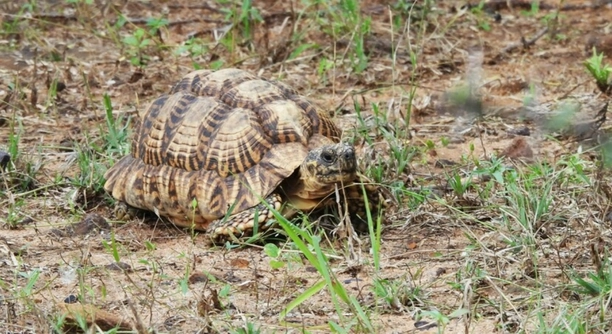
A dry appearance on your star tortoise’s skin may cause concern. It’s important to understand the possible reasons behind this condition to ensure your pet stays healthy and happy. Let’s explore the factors contributing to skin dryness.
The main reason your star tortoise’s skin looks dry could be due to environmental factors such as humidity, insufficient hydration, or improper basking. Dehydration or a lack of appropriate humidity can lead to dry, flaky skin in these reptiles.
The good news is that identifying the cause is the first step toward improving your tortoise’s skin health. We will walk you through the key reasons for this issue and how to address it.
Lack of Humidity
One of the most common reasons your star tortoise’s skin appears dry is due to low humidity levels. These reptiles thrive in a humid environment, and without it, their skin can dry out quickly. If the humidity in their enclosure is not within the ideal range, it can cause their skin to become flaky or cracked.
To prevent this, you should keep the humidity between 50% and 70%. You can achieve this by adding a water dish, misting the enclosure, or using a humidity gauge to monitor the levels. If needed, a humidifier can also help maintain the right environment for your tortoise.
It’s essential to regularly check and adjust the humidity to keep your star tortoise comfortable. Dry conditions not only affect their skin but also their overall health. If the humidity is consistently too low, your tortoise could face respiratory problems, too.
Inadequate Hydration
Tortoises need to drink water to stay hydrated, and a lack of water can quickly lead to dry skin. If your tortoise does not have easy access to clean water, it may not be drinking enough. Dehydration can cause skin issues that could worsen over time.
To keep your tortoise hydrated, ensure fresh water is always available. Additionally, consider soaking your tortoise in shallow, lukewarm water a couple of times a week. This can encourage them to drink more and help with skin moisture.
Regular hydration can help maintain healthy skin and prevent issues like cracking. Over time, this simple step can drastically improve your star tortoise’s overall skin condition. Also, make sure to offer them a variety of water sources, including a shallow water bowl and a misted enclosure.
Improper Lighting
Tortoises need proper lighting for both basking and UVB exposure. Without it, their skin can become dry and unhealthy. If the UVB light is insufficient, it can affect their skin’s ability to absorb calcium, leading to dryness.
Ensure that your star tortoise has access to a proper basking light and a UVB light source. These lights help your tortoise regulate its temperature and provide the necessary UVB rays for healthy skin. It’s also important to replace UVB bulbs regularly since their effectiveness decreases over time.
If the lighting setup is not right, it can cause more than just dry skin. Poor UVB exposure may lead to metabolic bone disease and other health problems. This highlights the importance of creating a proper light cycle that mimics natural sunlight.
Temperature Fluctuations
Temperature plays a significant role in your star tortoise’s health. Fluctuations in temperature can lead to dry skin, as these reptiles need a consistent warm environment to thrive.
Maintaining a stable temperature range of 75-85°F (24-29°C) during the day and a slight drop at night is crucial. Too much heat or cold can stress your tortoise, making it more prone to skin dryness. Consider using a thermostat to ensure that the temperature stays within the ideal range.
If the temperature is too high, the skin can dry out, while extremely low temperatures can make your tortoise lethargic. Proper heating lamps and a consistent temperature gradient will create a comfortable habitat for your star tortoise.
Poor Diet
A star tortoise’s skin health is linked to its diet. If your tortoise isn’t eating the right foods, it can affect the quality of its skin. A poor diet can lead to dehydration and skin dryness.
Make sure your tortoise gets a varied diet rich in leafy greens and appropriate fruits. Providing calcium supplements can also support healthy skin and shell growth. The lack of proper nutrition can cause more serious health problems beyond just dry skin.
Mites or Parasites
Mites or other parasites can cause your star tortoise’s skin to look dry and flaky. These pests can irritate the skin, leading to dryness, scabs, and even infections.
If you notice excessive scratching or scabbing on your tortoise’s skin, a mite or parasite infestation may be the cause. A vet can confirm the issue and offer treatment to get rid of the pests. Regularly inspect your tortoise for any signs of parasites and ensure that its environment is kept clean and free of pests.
FAQ
Why is my star tortoise’s skin shedding excessively?
Excessive shedding can be a sign of dehydration or inadequate humidity. Tortoises naturally shed their skin, but if they’re not getting enough moisture or the environment isn’t humid enough, they may shed more than usual. You should increase the humidity levels in the enclosure and make sure your tortoise is staying hydrated. Also, ensure they have access to clean water and soak them if needed. If the problem continues, consult a vet to rule out other health issues.
What is the best humidity level for my star tortoise?
Star tortoises thrive in a humidity range of 50-70%. If the humidity is too low, their skin can become dry and flaky. You can use a hygrometer to monitor the humidity and adjust as needed. To increase humidity, mist the enclosure regularly or add a water dish. Make sure the humidity doesn’t exceed 70% because too much moisture can cause respiratory issues.
Can a dry enclosure affect my tortoise’s health?
Yes, a dry enclosure can have a negative impact on your star tortoise’s health. If the environment lacks moisture, your tortoise will be more prone to dry skin, dehydration, and even respiratory problems. Make sure the enclosure has proper humidity, a water source, and a consistent temperature to keep your tortoise comfortable and healthy.
How often should I soak my star tortoise?
Soaking your star tortoise is essential for hydration, especially if they are not drinking enough water on their own. You can soak them once or twice a week in shallow, lukewarm water for 10-20 minutes. This helps keep them hydrated and improves skin health. If you notice that your tortoise’s skin is particularly dry, soak them more frequently to help prevent dehydration.
What type of food should I feed my star tortoise for healthy skin?
A balanced diet is key to your tortoise’s overall health, including their skin. Offer a variety of leafy greens such as dandelion, collard greens, and turnip greens. Avoid feeding too much fruit, as it can lead to digestive issues. Calcium and vitamin D3 supplements are also important for shell and skin health. A healthy diet will help maintain your star tortoise’s skin and prevent dryness.
Are UVB lights necessary for my star tortoise?
Yes, UVB lights are crucial for your star tortoise’s health. They help synthesize vitamin D3, which is necessary for calcium absorption. Without proper UVB lighting, your tortoise may develop health issues such as metabolic bone disease, which can affect their skin and shell. Make sure to provide a UVB light source for about 12-14 hours a day and replace the bulb regularly.
Can stress cause skin problems in my star tortoise?
Yes, stress can have a significant impact on your tortoise’s health, including their skin. If your star tortoise feels threatened, too cold, or uncomfortable, it may develop skin problems. Stress can weaken their immune system, making them more vulnerable to skin infections and dryness. Try to maintain a calm and consistent environment for your tortoise to minimize stress and ensure its skin remains healthy.
How do I know if my star tortoise has mites?
If you notice your star tortoise scratching more than usual, or if you see small, red, or black spots on its skin, they might have mites. Mites can cause irritation, skin shedding, and dryness. Examine your tortoise carefully, and if you suspect mites, it’s best to consult a vet for treatment. Regular cleaning of the enclosure and avoiding contact with infected animals can help prevent infestations.
Can I use coconut fiber for bedding?
Coconut fiber is a good bedding option for your star tortoise as it helps maintain humidity in the enclosure. It’s also soft on their skin and easy to clean. However, make sure it’s not too wet, as excess moisture can lead to mold growth. Always ensure that the bedding is clean and dry to prevent any health issues.
Is it okay to handle my star tortoise if its skin is dry?
Handling your star tortoise when its skin is dry won’t harm it directly, but it’s best to address the dryness first. If the dryness is caused by dehydration or environmental factors, excessive handling could stress your tortoise further. Try to focus on creating the right environment first, then handle it gently to avoid making the situation worse.
What temperature should I keep my star tortoise’s enclosure?
The ideal temperature for a star tortoise’s enclosure should range from 75-85°F during the day. At night, the temperature can drop to about 65-75°F. A consistent temperature helps your tortoise regulate its body functions, including skin health. Use a heat lamp and thermostat to maintain the right temperature gradient in the enclosure. Avoid temperature extremes that can cause skin issues or stress.
Understanding why your star tortoise’s skin may look dry is important for maintaining its health. There are several factors to consider, such as humidity, hydration, diet, and the environment. Each of these plays a role in ensuring your tortoise has healthy, hydrated skin. By adjusting the enclosure conditions and providing proper care, you can prevent dryness and other skin-related issues. The right lighting, a balanced diet, and proper hydration are key components of maintaining your tortoise’s overall well-being.
Dry skin in your star tortoise can also be an indication of larger health issues, so it’s essential to address it quickly. If humidity or hydration isn’t the problem, check the environment for temperature fluctuations, mites, or improper lighting. It’s important to create a stable habitat that supports your tortoise’s natural needs. This includes not just proper basking areas but also ensuring your tortoise has access to clean water and the right amount of UVB light. If in doubt, don’t hesitate to consult with a reptile vet to ensure your tortoise’s skin and overall health are in good condition.
By staying on top of your star tortoise’s care routine, you can prevent most common skin problems and ensure they live a healthy, comfortable life. Pay attention to their behavior, monitor the environment carefully, and make adjustments as needed. With the right care, your tortoise will have a vibrant and healthy shell and skin. If any issues arise that seem out of the ordinary or persist over time, always consult a professional. Keeping your tortoise’s habitat clean and comfortable will go a long way in supporting its long-term health and happiness.

Hello,
If you enjoy the content that we create, please consider saying a "Thank You!" by leaving a tip.
Every little bit helps us continue crafting quality advice that supports the health, happiness, and well-being of pets around the world, for pets of all shapes, sizes, and species.
We really appreciate the kindness and support that you show us!