
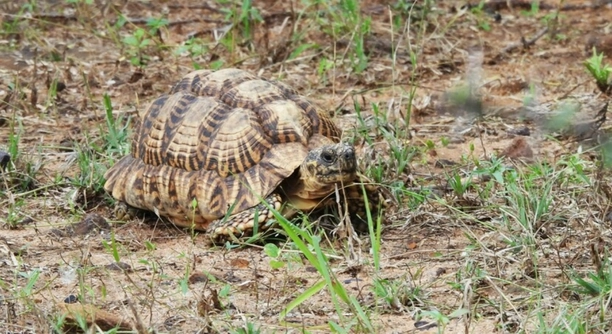
Malnourished star tortoises can show signs of distress that are important to recognize. Ensuring your pet is well cared for means being aware of changes in behavior and physical appearance. Early detection is key to their well-being.
Star tortoises may exhibit several signs of malnutrition, including lethargy, weight loss, poor shell condition, and a lack of appetite. A proper diet is essential to their health, and malnutrition can be corrected with adjustments to their feeding routine and environment.
Understanding these signs will allow you to make the necessary changes to improve your star tortoise’s health and ensure they thrive. Keep reading to learn more!
1. Lethargy and Lack of Movement
A star tortoise’s natural behavior involves being active and curious, but when malnourished, they often become sluggish. If your tortoise is spending more time resting in one spot or not showing interest in exploring, it’s a sign something may be wrong. This lack of movement can be caused by a lack of proper nutrients or dehydration, which can weaken their energy levels. As your tortoise struggles to find energy, it will be unable to maintain its usual level of activity.
When you notice your tortoise spending excessive time in its shell or in one spot, it may be due to a lack of food or an improper diet. Their body needs specific nutrients to stay active and healthy.
Lethargy is also linked to dehydration, which can worsen other health problems. Offering a more balanced diet with fresh greens, vitamins, and appropriate hydration will help your tortoise regain its strength. If the lethargy persists, consider seeking professional veterinary care.
2. Loss of Appetite and Weight
A malnourished star tortoise will often lose interest in food. This lack of appetite can cause weight loss and result in a noticeable difference in their appearance. When a tortoise isn’t eating, it struggles to maintain its energy levels, causing it to become weak and unhealthy.
Without proper nutrition, your tortoise’s health will continue to decline, leading to severe long-term issues.
A lack of appetite in star tortoises is usually a sign that their diet is missing essential nutrients. To encourage eating, ensure they are offered a variety of fresh foods like leafy greens, fruits, and calcium-rich vegetables. Some tortoises might also require more UV light to help with digestion and appetite.
3. Poor Shell Condition
A star tortoise’s shell is a clear indicator of its overall health. If the shell starts to soften, develop abnormal bumps, or lose its usual shine, it can be a sign of malnutrition. This condition is often due to a lack of calcium, which is crucial for shell growth and strength.
Without proper nutrition, the shell can become weak and more prone to injury. A diet lacking in calcium, combined with insufficient UV light, can prevent the proper growth of a strong, healthy shell. Supplementing your tortoise’s diet with calcium-rich foods and providing proper lighting will help restore shell health. If the shell continues to deteriorate, it’s essential to consult with a vet for further care.
4. Swollen Eyes and Discharge
Swelling around the eyes or discharge can be another sign of malnutrition. This may occur when a tortoise isn’t getting enough vitamin A. This essential nutrient is needed for healthy eye function and overall immune system support.
A tortoise without proper vitamin A can develop eye infections and swelling. In some cases, the tortoise may have difficulty opening its eyes or may even appear to be squinting. Supplementing the diet with vitamin A-rich foods like carrots, leafy greens, and squash can help prevent these symptoms. Also, providing a proper basking area with UVB light will support their immune system and eye health. If the issue persists, it’s best to consult a vet for treatment.
5. Difficulty in Walking
When a star tortoise is malnourished, it may struggle to walk or move as easily as it once did. This could be due to weakened muscles and joints, often caused by a lack of protein or calcium in its diet. Over time, this can affect their ability to move freely.
If a tortoise has trouble walking, it’s essential to check if its diet is balanced. Lack of calcium can cause leg and joint weakness. Offering a variety of high-protein foods and calcium supplements can help rebuild strength and mobility. Ensure they also have access to enough space to move around.
6. Respiratory Problems
Malnutrition can lead to respiratory issues, such as wheezing, labored breathing, or nasal discharge. These signs are often related to a weakened immune system caused by a poor diet. In severe cases, malnutrition can make the tortoise more susceptible to infections.
Proper diet and environment play key roles in preventing respiratory problems. A well-balanced diet with the right nutrients supports a healthy immune system, which is essential for fighting off infections. It’s also important to keep your tortoise’s habitat clean and provide the appropriate humidity and temperature. If respiratory issues persist, a vet should examine your tortoise.
7. Dehydration
Dehydration can occur when a star tortoise isn’t drinking enough water or eating water-rich foods. Dehydration can lead to lethargy, sunken eyes, and difficulty shedding skin. It also weakens the tortoise’s overall health and can make it more vulnerable to other illnesses.
To prevent dehydration, ensure your tortoise has constant access to fresh water. Additionally, feeding them hydrating fruits and vegetables like cucumbers and leafy greens can help. Maintaining the proper humidity levels in their habitat is also essential for their hydration needs. If signs of dehydration continue, it’s time to seek professional help.
FAQ
How can I prevent malnutrition in my star tortoise?
To prevent malnutrition, make sure your star tortoise has a varied and balanced diet. Offer a mix of leafy greens like kale, dandelion greens, and collard greens, and occasional fruits like papaya or melon. Calcium-rich foods such as cuttlebone or calcium powder are essential for strong bones and a healthy shell. Also, ensure your tortoise gets adequate UVB light, as it helps them absorb calcium. Regularly check their weight and health for any signs of malnutrition.
What should I do if my star tortoise refuses to eat?
If your star tortoise isn’t eating, the first thing to check is its environment. Ensure that the temperature, humidity, and lighting conditions are optimal. Poor environmental factors can reduce appetite. Also, try offering different types of food to see if they prefer something new. Adding calcium supplements or sprinkling vitamins on their food may also encourage eating. If the refusal to eat continues, it may be time to consult a veterinarian for further advice.
Can a star tortoise recover from malnutrition?
Yes, a star tortoise can recover from malnutrition, but it requires proper care and a well-balanced diet. Providing the right nutrition, hydration, and UV light will help restore their health. However, recovery may take time, depending on the severity of the malnutrition. In extreme cases, consult a vet for tailored treatment and care.
How often should I feed my star tortoise?
A star tortoise should be fed every day, but the amount depends on its age and size. Younger tortoises, who are growing, require more frequent feedings, while adults can be fed every other day. Their diet should consist mainly of high-fiber plants like grasses, leafy greens, and occasional fruits. Adjust portions based on your tortoise’s weight to avoid overfeeding or underfeeding.
What are the signs of dehydration in a star tortoise?
Dehydration in star tortoises can lead to sunken eyes, lethargy, and dry skin. If you notice your tortoise becoming less active or having trouble shedding, dehydration could be the cause. To prevent this, ensure your tortoise has constant access to fresh water and feed them water-rich vegetables like cucumbers. Regular baths can also help with hydration.
Is it safe to feed my star tortoise fruits?
Yes, fruits can be part of a star tortoise’s diet, but they should be given in moderation. Fruits are high in sugar, so they should only be offered occasionally. Healthy fruit options include papaya, melon, and berries. Always remove any seeds that could be harmful. A balanced diet should consist mostly of leafy greens and fibrous plants.
How can I tell if my star tortoise has a vitamin A deficiency?
Vitamin A deficiency in star tortoises can cause swollen eyes, nasal discharge, and difficulty in breathing. The tortoise may also show signs of weakness. You can prevent or correct this by adding vitamin A-rich foods, such as carrots and leafy greens, to their diet. If symptoms persist, consult a vet for treatment.
Can my star tortoise live without UVB light?
No, UVB light is crucial for the health of a star tortoise. UVB light helps them produce vitamin D3, which is necessary for calcium absorption. Without UVB light, your tortoise may develop metabolic bone disease and other health issues. Make sure to provide a UVB lamp or allow your tortoise to bask in natural sunlight for several hours each day.
What should I do if my star tortoise has swollen eyes?
Swollen eyes are often a sign of a vitamin A deficiency or an infection. First, check their diet and make sure they’re receiving enough vitamin A-rich foods, like carrots and leafy greens. If the swelling continues or worsens, a vet visit is recommended, as it could be an infection or other underlying issue.
Can I use a regular lamp for my star tortoise’s basking spot?
No, a regular lamp will not provide the necessary heat or UVB light that a star tortoise needs. You should use a specialized UVB bulb for proper lighting. The basking spot should be kept at a temperature between 85-95°F (29-35°C). The UVB light should be placed within 12-18 inches of the basking area for maximum effectiveness. Regular bulbs will not provide the required UVB rays to maintain your tortoise’s health.
Final Thoughts
Malnutrition in star tortoises is a serious issue that can lead to a variety of health problems. These include weakness, difficulty in movement, respiratory issues, and dehydration. It’s important to ensure that your tortoise receives a balanced diet, which includes the right amount of fiber, protein, and calcium. Access to clean, fresh water and proper UVB lighting are also crucial for your tortoise’s overall health. By providing the right environment and nutrition, you can prevent most of the common signs of malnutrition.
Recovery from malnutrition is possible, but it requires patience and attention to detail. If your tortoise shows signs of malnutrition, you should make immediate changes to its diet and habitat. Offering a wider variety of foods, including calcium-rich options like cuttlebone or supplements, can make a significant difference. Also, be mindful of your tortoise’s environmental needs, such as humidity, temperature, and lighting. Regular check-ups with a veterinarian can help monitor your tortoise’s progress and ensure that recovery is on track.
By understanding the signs of malnutrition and taking action early, you can ensure that your star tortoise lives a long, healthy life. It is essential to monitor their health closely and adjust their care as needed. With the right attention, a balanced diet, and proper habitat conditions, your tortoise will thrive and avoid the dangers of malnutrition.

Hello,
If you enjoy the content that we create, please consider saying a "Thank You!" by leaving a tip.
Every little bit helps us continue crafting quality advice that supports the health, happiness, and well-being of pets around the world, for pets of all shapes, sizes, and species.
We really appreciate the kindness and support that you show us!