
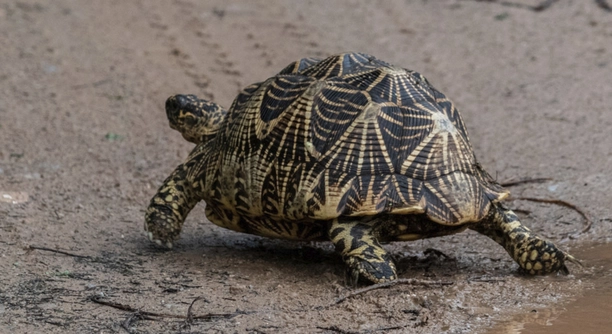
Star tortoises are fascinating creatures, and understanding their needs is important for their well-being. One often overlooked aspect of their care is boredom. Like all pets, they require mental and physical stimulation to stay healthy and happy.
Tortoises, including star tortoises, can show signs of boredom through behaviors like excessive sleeping, repetitive actions, or lack of interest in food. If they aren’t given enough stimulation, it can lead to stress or other health problems.
Recognizing these signs can help you provide better care for your star tortoise. Knowing how to prevent boredom will ensure their happiness and health.
Lack of Activity and Movement
Star tortoises are naturally active creatures that enjoy roaming around their environment. If they aren’t moving much, it may be a sign of boredom. These tortoises need space to explore and interact with their surroundings to stay engaged. Lack of activity can be an indication that they aren’t getting enough stimulation or that their habitat is too small. It’s essential to provide them with enough room to move freely. A larger enclosure with areas to climb and hide can make a big difference. Regularly changing their surroundings or adding new items like plants, rocks, or toys can encourage them to explore and stay active. Without sufficient stimulation, they may become lethargic and disinterested in food or other activities.
Their behavior is influenced by their environment. If they have enough space to move around and interact with new objects, they will stay mentally engaged.
Creating an enriching environment for your star tortoise can prevent boredom. By changing up their surroundings and offering new things to explore, you can keep them engaged and happy. Make sure the space is safe for them to move around freely without feeling confined.
Repetitive or Unusual Behavior
If your star tortoise repeats certain actions frequently, it could be another sign of boredom. For example, excessive digging, pacing, or circling can signal that they are not mentally stimulated enough. These behaviors are often observed when they are seeking something to engage with. Unlike more natural activities such as foraging or exploring, these repetitive actions don’t serve a clear purpose, which indicates a lack of stimulation.
It’s important to assess what may be lacking in their environment that is leading to these repetitive actions.
To keep your tortoise engaged, try introducing new objects or adjusting their environment. Adding a variety of textures, hiding spots, or climbing elements can help break up the monotony and encourage more natural behaviors. Tortoises may also enjoy puzzle feeders that challenge them to think and work for their food.
Disinterest in Food
When a star tortoise loses interest in food, it can be a sign of boredom or dissatisfaction with their environment. A lack of stimulation can cause them to stop eating, even if food is readily available. Tortoises need to feel motivated to eat, and an environment that’s too monotonous can result in decreased appetite.
To address this, try introducing variety in their diet. Adding different types of vegetables, fruits, or even edible flowers can encourage them to eat. Ensure their food is fresh and presented in a way that encourages exploration, like using puzzle feeders or hiding food around their enclosure.
Changing their food presentation can also make mealtime more exciting. Consider offering different textures and types of food, as tortoises naturally forage and explore for their meals. The new challenge of finding and enjoying different foods will help re-engage their appetite. This method also helps keep them mentally stimulated and prevents the boredom that leads to food refusal.
Aggressive or Defensive Behavior
Sometimes, boredom in star tortoises can result in aggression or defensive behaviors. If they feel trapped or unengaged, they may start displaying signs of stress like biting, hissing, or retreating into their shell more often. These actions could also indicate that they’re feeling frustrated due to a lack of stimulation.
Aggression can stem from a tortoise’s instinct to defend itself when it feels threatened. To help prevent this, make sure their environment is enriching and free of stressors.
Create an atmosphere that encourages them to feel safe and comfortable. Adding hiding spots, climbing structures, or other items they can interact with will give them a sense of control over their surroundings. Keep their space calm and free from sudden disturbances, as stress can worsen defensive behaviors. A happy, mentally engaged tortoise is less likely to show aggression and more likely to feel secure in its environment.
Lack of Exploration
A star tortoise that isn’t exploring its environment might be showing signs of boredom. Tortoises are naturally curious and enjoy moving around, so when they stay in one spot, it’s usually a red flag.
If they’re not moving or investigating, it could indicate a lack of stimulation. It’s important to provide them with an interesting space to encourage exploration.
You can make their environment more appealing by adding new textures, climbing areas, or hiding spots. Changing things up frequently will keep them engaged and encourage them to explore their surroundings. The more varied their environment, the more likely they are to stay active.
Slow Movement
If your star tortoise is moving slower than usual, it may be a sign of boredom or dissatisfaction with its habitat. Tortoises need motivation to stay active, and when they lack stimulation, they tend to slow down.
Consider adding items like branches, rocks, or tunnels that will encourage them to move more. You can also vary the temperature or lighting to create different areas for them to explore.
When a tortoise is given more to interact with, it’s more likely to maintain its activity levels. Keeping their space dynamic will prevent them from becoming sedentary.
FAQ
How can I tell if my star tortoise is bored?
Signs of boredom in a star tortoise include lack of movement, disinterest in food, repetitive behaviors like pacing or digging, and slow or minimal exploration. A bored tortoise may also display aggressive or defensive behaviors. It’s important to monitor your tortoise’s daily activity to identify these signs early and address them.
What should I do if my star tortoise isn’t eating?
If your star tortoise is not eating, first check for any physical issues like illness or injury. If they seem healthy but refuse food, it’s often a sign of boredom or a lack of stimulation. Try offering new types of food or changing how it’s presented. Offering food in puzzle feeders or hiding it around the enclosure can encourage foraging and spark their interest.
Can I add other animals to my star tortoise’s enclosure?
It’s generally not recommended to house different species together. Star tortoises can be territorial, and adding other animals might cause stress or aggression. If you want to add a companion, make sure they are compatible and have enough space for both to thrive. Research thoroughly before introducing new animals.
How often should I change my star tortoise’s environment?
It’s a good idea to change the layout of their enclosure every few weeks. Star tortoises thrive in environments that offer new challenges and variety. Moving plants, rocks, or adding new objects can keep them mentally stimulated. This helps prevent boredom and promotes natural behaviors.
What kind of toys can I give my star tortoise?
Tortoises enjoy items they can move, climb, or hide under. Things like cardboard tubes, large rocks, or shallow tunnels can be placed in their habitat to encourage interaction. You can also try offering edible items, like safe plants or fruits, hidden around their space to engage their foraging instincts.
Should I provide a heat source for my star tortoise?
Yes, star tortoises require a heat source to maintain their body temperature. Providing a basking area with a heat lamp is essential for their well-being. Ensure the temperature gradient in their enclosure is suitable, with a warm spot around 85-90°F and a cooler area for them to retreat to if needed.
How do I know if my star tortoise is stressed?
Common signs of stress include a lack of movement, hiding more than usual, aggression, and a decrease in eating. If your tortoise seems lethargic or avoids interactions, it could indicate stress. Stress can also lead to defensive behaviors like biting or retreating into their shell. Check their habitat for any potential stressors like loud noises, overcrowding, or incompatible tank mates.
Can a star tortoise become too bored?
Yes, boredom can lead to stress, health problems, and even depression in star tortoises. Without enough stimulation, they may become less active, lose their appetite, or start displaying unusual behaviors like repetitive actions. Providing an enriching environment is key to maintaining their physical and mental health.
How can I enrich my star tortoise’s habitat?
To enrich your star tortoise’s habitat, add variety to their environment. This includes providing climbing surfaces, hiding spots, and things they can move around. Introducing new objects or rearranging their space regularly can keep them engaged. You can also create foraging opportunities by scattering food or using puzzle feeders.
Can my star tortoise interact with humans?
Star tortoises are generally solitary animals, but they can become accustomed to human presence over time. While they won’t form the same kind of bonds as more social pets, they may recognize their owners and not shy away from them. Gentle handling and observing from a distance will help them feel comfortable.
Why does my star tortoise dig a lot?
Digging is a natural behavior for tortoises. It can be a way for them to create a comfortable space or to find cooler areas when they are too warm. If your star tortoise digs excessively, it might be a sign of stress or boredom. Ensure their environment provides enough stimulation to reduce unnecessary digging.
What should I do if my star tortoise is constantly hiding?
Constant hiding could be a sign of stress, illness, or environmental discomfort. Ensure their enclosure is set up correctly with enough hiding spots and safe areas for them to retreat. If the hiding persists, it’s worth consulting a vet to rule out any health concerns.
Final Thoughts
Caring for a star tortoise requires attention to its needs, both physical and mental. Boredom can have a significant impact on your tortoise’s well-being, leading to stress and health issues. Recognizing the signs of boredom is the first step in ensuring your pet remains happy and healthy. Excessive sleeping, lack of activity, or changes in eating habits are often the clearest indicators. Addressing these signs early can prevent long-term issues and create a more enriching environment for your tortoise. Offering a varied habitat and consistent interaction can make a big difference in your pet’s quality of life.
Creating an enriching environment doesn’t have to be complicated or expensive. Simple changes like adding rocks, tunnels, or even rearranging the enclosure can stimulate your tortoise’s curiosity and keep them active. Providing opportunities for foraging and exploration is key to maintaining their mental health. Additionally, regular interaction, whether through observation or gentle handling, helps build trust and ensures that your tortoise feels secure in its environment. When tortoises have a stimulating space to roam, they are more likely to exhibit natural behaviors, reducing the likelihood of boredom.
Ultimately, taking the time to understand your star tortoise’s behavior and making small adjustments to its habitat can greatly improve its well-being. The more you engage with your tortoise and provide an environment that encourages exploration and activity, the healthier and happier your pet will be. Keep an eye out for signs of boredom and take action quickly, as a well-stimulated tortoise is less likely to experience stress or behavioral issues. By creating a comfortable and engaging environment, you can ensure that your star tortoise leads a fulfilling life.

Hello,
If you enjoy the content that we create, please consider saying a "Thank You!" by leaving a tip.
Every little bit helps us continue crafting quality advice that supports the health, happiness, and well-being of pets around the world, for pets of all shapes, sizes, and species.
We really appreciate the kindness and support that you show us!