
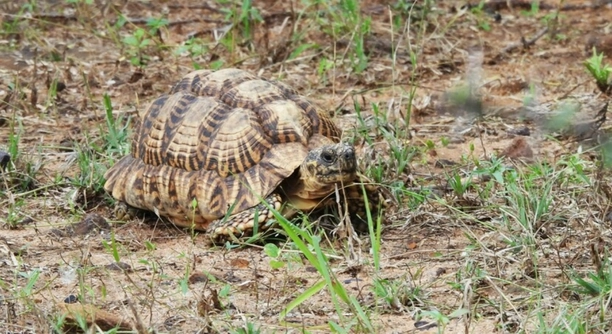
Swollen eyes in star tortoises are concerning, as they can signal various underlying health problems. Understanding the causes and treatments can help you address this issue and ensure your tortoise stays healthy and comfortable.
Star tortoises can develop swollen eyes due to infections, dehydration, or improper diet. Common causes include respiratory infections, vitamin A deficiency, or unsanitary living conditions. Treatment often involves correcting diet, improving habitat, and possibly administering medications.
Understanding the reasons behind your tortoise’s swollen eyes can help you provide the necessary care. By taking quick action, you can promote its recovery and prevent further health issues.
1. Respiratory Infections and Swollen Eyes
One of the most common reasons for swollen eyes in star tortoises is a respiratory infection. These infections occur when harmful bacteria or viruses enter the tortoise’s system, often due to poor living conditions, such as high humidity or inadequate temperature. When a tortoise has a respiratory infection, symptoms can include swelling around the eyes, nasal discharge, and labored breathing. In severe cases, the eyes may appear puffy, and your tortoise may seem lethargic or unwilling to eat. These infections are treatable, but timely intervention is crucial to avoid more severe health problems. Keeping the enclosure clean, well-ventilated, and at the right temperature is important for preventing these infections.
Respiratory infections are often caused by incorrect habitat conditions, such as improper humidity or temperature. If not treated promptly, they can lead to more serious complications, including permanent damage to the eyes or respiratory system.
If you suspect a respiratory infection, it’s important to take immediate action. Consult with a veterinarian, who can recommend antibiotics or other treatments. Along with medication, improve your tortoise’s habitat by ensuring the temperature is consistent and humidity levels are balanced. A warm, dry space for your tortoise to rest can help speed up recovery.
2. Vitamin A Deficiency and Its Effect on Eyes
Vitamin A plays a vital role in your tortoise’s health, especially in maintaining healthy eyes. A deficiency in vitamin A can cause swelling around the eyes and even lead to eye infections. Star tortoises that don’t get enough vitamin A in their diet are more susceptible to these issues. Vitamin A is essential for the development of tissues and proper immune function, which includes eye health. Symptoms of a vitamin A deficiency can include swollen eyes, lethargy, and a lack of appetite.
To treat a vitamin A deficiency, it’s important to adjust the tortoise’s diet. Rich foods like leafy greens, carrots, and squash can help boost vitamin A levels. In some cases, your veterinarian may recommend supplements.
A proper diet is key to preventing vitamin A deficiency. Ensure your star tortoise gets a variety of leafy greens, such as dandelion greens or collard greens, which are high in this important nutrient. You can also feed fruits and vegetables like sweet potatoes and squash, which are also rich in vitamin A. If the issue persists despite dietary changes, a vet can provide guidance on vitamin A supplementation.
3. Dehydration and Swollen Eyes
Dehydration can also be a major factor in causing swollen eyes in star tortoises. Tortoises that are not given enough water or those that live in an environment that is too dry may begin showing signs of dehydration, such as puffy eyes, dry skin, and a lack of energy. Without enough moisture, the tissues around their eyes may become inflamed and swollen. Dehydration is not only uncomfortable but can also lead to long-term health issues if not addressed. It’s important to ensure that your tortoise always has access to fresh water and is regularly hydrated.
Providing access to fresh water and ensuring proper humidity levels can help prevent dehydration. Regular misting of your tortoise’s enclosure and soaking your tortoise in water can also encourage hydration.
A simple solution to dehydration is soaking your star tortoise in warm water a few times a week. This encourages your tortoise to drink and helps rehydrate its body. Mist the enclosure with water regularly, particularly during warmer months, to maintain the right humidity levels. A shallow water dish can also encourage drinking. Regularly monitor your tortoise’s hydration, as even minor dehydration can lead to serious health problems.
4. Poor Habitat Conditions
Swollen eyes can result from poor habitat conditions. Star tortoises need a controlled environment with the right temperature, humidity, and cleanliness. If the enclosure is too humid, too dry, or lacks proper ventilation, it can lead to eye problems. Swollen eyes can be an indication that your tortoise is suffering from environmental stress. Poor lighting and lack of UVB exposure also affect your tortoise’s overall health, including eye health. It’s important to maintain a clean habitat and provide a space that closely mimics their natural environment to avoid these issues.
Maintaining a balanced habitat with the correct lighting, temperature, and humidity is crucial for preventing swollen eyes. Regular cleaning and proper ventilation are key to promoting your tortoise’s well-being.
Incorporate a UVB light into your tortoise’s enclosure to provide necessary exposure to sunlight. Make sure the temperature fluctuates between warm and cooler areas so your tortoise can regulate its body temperature. Also, ensure your tortoise has enough space to move around, preventing stress. Keeping the habitat clean and free of bacteria helps reduce the chances of infections and swelling around the eyes.
5. Eye Infections
Eye infections are another possible reason for your star tortoise’s swollen eyes. These infections can occur when bacteria or fungi enter the eyes, often due to unsanitary conditions or injury. If left untreated, these infections can cause long-term damage to the eyes. Symptoms may include swelling, discharge, and redness.
To treat an eye infection, you’ll need to first identify the type of infection. A vet will usually prescribe antibiotics or antifungal treatments depending on the cause. In the meantime, keeping your tortoise’s enclosure clean and dry can help prevent the spread of infection. It’s crucial to monitor your tortoise’s eyes closely for any changes.
Keeping your tortoise’s eyes clean is essential. If you notice discharge or swelling, use a gentle saline solution to flush out any debris or excess fluid. Avoid using harsh chemicals that may irritate the eyes. If symptoms persist, don’t hesitate to visit the vet, who will be able to provide the correct treatment.
6. Injuries or Trauma
Injuries or trauma to your star tortoise’s eyes can cause swelling as well. Tortoises are naturally curious, and sometimes they may accidentally hurt themselves while exploring. An injury can lead to swelling around the eyes, making them look puffed up or irritated. It’s important to check for cuts, scrapes, or other signs of physical trauma.
In case of an injury, you can clean the area gently with warm water to remove dirt or debris. Apply an antibiotic ointment if recommended by your vet. Keep your tortoise in a calm, safe environment to avoid further injury. If the swelling doesn’t improve or worsens, professional care is needed to avoid complications.
If you notice that your tortoise is consistently rubbing or scratching its eyes, this could be an indication of an injury. Ensuring the enclosure is free of sharp objects and hazards will help prevent accidents. Always monitor your tortoise’s behavior, as they might try to self-soothe with excessive eye rubbing, which can worsen the condition.
7. Mites or Parasites
Mites or other parasites can sometimes cause swelling around your star tortoise’s eyes. These tiny creatures may attach themselves to your tortoise’s skin or eyes, causing irritation and swelling. If you notice small red or irritated patches around the eyes, it may be a sign of an infestation.
If your tortoise is dealing with mites, a vet will likely recommend a specific treatment, such as mite sprays or oral medication. It’s important to clean the tortoise’s habitat thoroughly and remove any bedding or items that might harbor these parasites. Consistent monitoring can help prevent future infestations.
Regularly inspect your tortoise for any signs of external parasites. Mites are often found in the folds of skin near the eyes or under the legs. Keeping your tortoise’s enclosure clean and well-maintained will help keep these pests at bay. If you suspect an infestation, seek treatment promptly to prevent further complications.
8. Improper Diet
An improper diet can lead to a number of health issues for your star tortoise, including swollen eyes. If your tortoise isn’t getting the right nutrients, like vitamin A, it can cause eye-related problems. A diet too high in protein or low in fiber can also result in digestive and health issues.
To prevent these problems, feed your tortoise a varied diet of leafy greens, grasses, and vegetables. Avoid feeding high-protein foods, such as meat, which can throw off the balance of nutrients your tortoise needs. A proper diet will help your tortoise maintain overall health and prevent swelling around the eyes.
Make sure your star tortoise gets the right balance of nutrients by offering foods like dandelion greens, collard greens, and clover. Avoid overfeeding fruits or other sugary foods, which can disrupt digestion. By following a well-balanced diet, you can significantly reduce the chances of health issues, including eye problems.
9. Stress and Eye Swelling
Stress is often overlooked, but it can also contribute to swelling around your tortoise’s eyes. Stress can occur due to a number of factors, including improper habitat conditions, handling, or sudden changes in the environment. When a tortoise is stressed, it can show signs like swollen eyes, lethargy, or a lack of appetite.
Create a stable environment for your tortoise. Avoid frequent handling, and ensure the enclosure remains consistent in temperature and humidity. A calm environment allows your tortoise to feel secure and reduces stress-related issues. If your tortoise is showing signs of stress, addressing the root cause can help reduce the swelling.
Stress can weaken your tortoise’s immune system, making it more susceptible to other health problems, including eye infections and swelling. Reducing stress involves maintaining a peaceful environment with minimal disturbances. It’s also important to provide plenty of hiding spots in the enclosure to help your tortoise feel safe and secure.
FAQ
Why are my star tortoise’s eyes swollen?
Swollen eyes in star tortoises can be caused by several issues, such as respiratory infections, dehydration, vitamin A deficiency, poor habitat conditions, or even eye infections. Identifying the exact cause will help determine the appropriate treatment. If you notice persistent swelling or other symptoms like lethargy, it’s best to consult a vet for a proper diagnosis.
How do I treat swollen eyes in a star tortoise?
Treating swollen eyes in your tortoise depends on the cause. For respiratory infections, antibiotics prescribed by a vet may be needed. If it’s due to dehydration, improving hydration by soaking your tortoise in warm water can help. For vitamin A deficiency, adjusting the diet to include foods rich in this nutrient is essential. If an infection is present, your vet may suggest topical antibiotics or antifungal treatments.
Can a vitamin A deficiency cause swollen eyes?
Yes, a vitamin A deficiency is one of the common causes of swollen eyes in star tortoises. Vitamin A helps maintain eye health, and when there’s a lack of it, it can lead to swollen, irritated eyes. To correct this, offer foods like carrots, leafy greens, and squash. If the issue persists, a vet may recommend vitamin A supplements.
How can I improve my tortoise’s habitat to prevent eye problems?
To improve your tortoise’s habitat, make sure the temperature and humidity levels are appropriate. Star tortoises need a warm environment with a temperature range of 80°F to 90°F. Humidity should be kept at around 50%. Regularly clean the enclosure to avoid infections and provide proper lighting, including UVB lights. Proper ventilation and space to roam also help maintain a healthy environment.
Can dehydration cause swollen eyes in my tortoise?
Dehydration is a common cause of swollen eyes in tortoises. When a tortoise is not drinking enough water, its tissues can become dry and swollen, including around the eyes. Ensure your tortoise always has access to fresh water, and regularly soak it in warm water to encourage hydration. You can also mist the enclosure to maintain the right humidity levels.
What should I do if my tortoise has an eye infection?
If your tortoise shows signs of an eye infection, such as swelling, discharge, or redness, consult with a vet. The vet may prescribe antibiotics or antifungal medications to treat the infection. You can also gently clean the eyes with a saline solution, but avoid using any harsh chemicals. Ensuring that your tortoise’s habitat is clean will help prevent future infections.
How can I tell if my tortoise has mites?
Mites can cause swelling around the eyes and other parts of the body. To check for mites, carefully examine the skin around the eyes, under the legs, and along the shell. Mites often look like tiny moving specks. If you suspect your tortoise has mites, take it to a vet who can recommend an appropriate treatment.
What are the signs of stress in a star tortoise?
Stress in a star tortoise can manifest as swollen eyes, lethargy, refusal to eat, or excessive hiding. It can be caused by factors like improper habitat conditions, excessive handling, or changes in its environment. Reducing stress involves creating a stable, quiet environment, avoiding frequent handling, and ensuring the habitat is clean and suitable for the tortoise’s needs.
Can I treat my tortoise’s swollen eyes with home remedies?
While home remedies like saline solution can help clean the eyes, it’s best to avoid self-diagnosing and treating swollen eyes without consulting a vet. Some conditions, like infections or vitamin deficiencies, require professional treatment. If swelling persists or worsens, a vet’s intervention is necessary for proper care.
What can I feed my tortoise to prevent eye problems?
A well-balanced diet rich in fiber and essential vitamins can help prevent eye problems. Feed your tortoise leafy greens such as dandelion greens, collard greens, and kale. Vegetables like squash and carrots are also good for providing vitamin A. Avoid feeding your tortoise high-protein foods like meat, as this can disrupt their nutritional balance.
How often should I clean my star tortoise’s enclosure?
Cleaning your star tortoise’s enclosure regularly is crucial for preventing infections and maintaining a healthy environment. Spot clean the enclosure daily to remove waste and uneaten food. Perform a full cleaning, including replacing bedding and disinfecting surfaces, at least once a week. Regular cleaning will also help maintain appropriate humidity levels and prevent bacterial buildup that can lead to eye issues.
Can an injury cause swollen eyes in my tortoise?
Yes, an injury to the eye area can lead to swelling. Tortoises are naturally curious and may accidentally hurt themselves while exploring. If you notice swelling around the eyes following a possible injury, clean the area gently with warm water and monitor for signs of improvement. If the swelling does not go down or worsens, visit a vet for proper treatment.
How do I prevent my tortoise from getting sick?
To prevent sickness in your tortoise, ensure its habitat is clean, dry, and appropriately heated. Offer a balanced diet that meets all of its nutritional needs, including proper hydration. Minimize stress by maintaining a stable environment and handling your tortoise minimally. Regular check-ups with a vet can also help prevent health issues.
Final Thoughts
Caring for a star tortoise requires attention to detail, especially when it comes to their health. Swollen eyes are a common sign that something may be wrong, and it’s important to recognize the underlying causes early on. Whether it’s due to an infection, dehydration, or a nutritional deficiency, understanding the problem will help you take the right steps to treat it. While some issues, like minor swelling, may resolve with changes to diet or habitat, others might need veterinary attention. The key is to be proactive in identifying symptoms and addressing them quickly.
A clean, well-maintained habitat plays a big role in preventing health problems in star tortoises. Make sure the temperature and humidity are kept at the right levels, and always provide a variety of nutritious foods. By focusing on your tortoise’s diet and living conditions, you can avoid many of the common causes of swollen eyes. Regularly cleaning the enclosure and offering fresh water will also help prevent infections and dehydration, both of which can lead to swelling. Consistency in their care is important for their overall well-being.
If you notice persistent or worsening symptoms, don’t hesitate to consult with a veterinarian. A professional can offer the best advice and treatment, whether it’s antibiotics, dietary adjustments, or other medical interventions. By being attentive to your tortoise’s needs and maintaining a stable environment, you can help them live a healthy, happy life. Taking swift action when you spot any signs of illness will prevent the problem from worsening and ensure your tortoise stays in good health.

Hello,
If you enjoy the content that we create, please consider saying a "Thank You!" by leaving a tip.
Every little bit helps us continue crafting quality advice that supports the health, happiness, and well-being of pets around the world, for pets of all shapes, sizes, and species.
We really appreciate the kindness and support that you show us!