
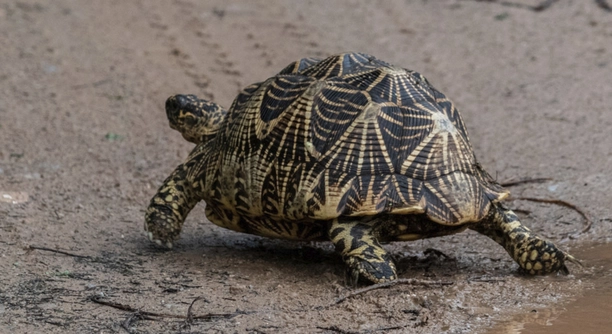
Is your star tortoise’s skin peeling and you’re not sure what it means? Skin shedding is common in tortoises, but understanding the cause is key to their well-being. In this article, we will explore why this happens.
Star tortoises naturally shed their skin as they grow, a process known as ecdysis. However, peeling can sometimes indicate an underlying issue such as dehydration, improper humidity, or a skin infection. Regular care is essential for their health.
Proper care can prevent skin problems and help your tortoise live a healthy life. Let’s explore how to monitor and maintain the right conditions for your star tortoise’s health and well-being.
Understanding the Skin Shedding Process
Tortoises naturally shed their skin as part of their growth. This process, known as ecdysis, allows them to get rid of old skin and make room for new growth. Shedding can happen in patches, with some areas flaking off more than others. The frequency of shedding can depend on factors like age, environment, and diet. Younger tortoises often shed more frequently as they grow, while older ones may shed less often.
The peeling skin isn’t always a cause for concern. In most cases, it’s a sign of natural growth and doesn’t require intervention. However, it’s important to differentiate between regular shedding and other skin issues. Environmental factors such as temperature and humidity can affect how your star tortoise sheds.
Proper humidity levels and temperature help ensure a smooth shedding process. If the skin isn’t coming off easily, it could indicate that the habitat isn’t optimal. Additionally, frequent shedding can cause discomfort if the environment isn’t right.
Possible Environmental Causes
Humidity plays a big role in your tortoise’s shedding process. If the environment is too dry, the skin may not shed properly. Without enough moisture in the air, your tortoise’s skin can become flaky and harder to remove.
To prevent issues, maintain consistent humidity levels in the enclosure. A simple solution is placing a shallow water dish in the habitat or using a humidity gauge to monitor conditions. Adjusting the humidity can help keep the skin soft and promote proper shedding.
Dehydration and Its Effect on Skin Health
Dehydration is another factor that can lead to abnormal skin shedding. Star tortoises rely on water intake to keep their skin hydrated and supple. If they aren’t drinking enough, their skin may become dry, flaky, and more prone to peeling. Dehydration can also cause the tortoise to shed in patches rather than in a uniform manner.
To prevent dehydration, make sure your tortoise has access to fresh water at all times. You can also offer water through misting, especially if your tortoise is in a dry climate. Hydration plays a significant role in maintaining overall health, so addressing dehydration early on can prevent further issues with skin shedding.
When to Worry About Skin Peeling
In some cases, peeling skin can indicate something more serious. If the shedding becomes excessive or leads to open wounds, it may be a sign of an infection or other health problems. Look out for signs such as redness, swelling, or the presence of unusual substances on the skin.
If your tortoise shows signs of abnormal peeling, it’s crucial to seek veterinary advice. A vet can help diagnose any underlying health conditions and suggest appropriate treatments. Keeping a close eye on changes in your tortoise’s skin condition ensures that you can address problems early and keep them healthy.
Importance of Proper Diet
A balanced diet directly impacts your tortoise’s skin health. Nutrient-rich food helps maintain a healthy shedding process. Poor diet, lacking in essential vitamins and minerals, can cause skin issues like dryness and improper shedding.
Make sure your star tortoise is getting a variety of foods, including leafy greens, fruits, and some proteins. These provide essential vitamins like Vitamin A, which helps skin regeneration. Avoid overfeeding high-protein foods, as too much can cause other health problems. Proper nutrition supports overall well-being, including healthy skin and shells.
Feeding a well-rounded diet also supports the tortoise’s immune system, making them less susceptible to infections that could affect skin health. Without the right nutrients, your tortoise could experience more frequent shedding issues, and even struggle with regrowth. A healthy, strong immune system can better handle natural skin shedding and minimize irritation during the process.
The Role of Temperature
Temperature is another factor to consider when your star tortoise’s skin is peeling. Tortoises are cold-blooded animals, and their metabolism and shedding process depend on the surrounding temperature. If the temperature in their environment is too low, it can slow down their shedding.
To ensure your tortoise is comfortable, maintain a warm area in their habitat with a heat source. A basking spot with a temperature of around 90-95°F will help them regulate their body heat. Proper heat helps improve digestion and overall activity levels, encouraging a healthy shedding cycle.
Cold temperatures can also make it harder for the tortoise to shed skin properly, potentially leading to skin problems. Ensure the habitat provides a gradient of temperatures, allowing your tortoise to move to a cooler or warmer area as needed. This helps them maintain the ideal body temperature, supporting healthy skin and shedding.
Potential Skin Infections
Infections can cause abnormal skin peeling in tortoises. Bacterial or fungal infections may cause the skin to break down, leading to more serious problems. If peeling is accompanied by discoloration or foul odor, an infection could be the cause.
Keeping your tortoise’s habitat clean is key to preventing infections. Regularly change the bedding, clean water dishes, and remove any waste. A clean environment reduces the chances of bacteria or fungi growing, which can lead to skin issues. If you suspect an infection, consult a vet for proper treatment.
Mites and Parasites
Mites and other external parasites can also contribute to peeling skin. These tiny pests often cause irritation, leading to flaking and shedding. If you notice your tortoise scratching or having difficulty shedding, they might have parasites.
Treatment involves using appropriate medications prescribed by a vet to eliminate the parasites. It’s important to regularly inspect your tortoise for signs of mites or other pests. Prevention can include regular cleaning of the enclosure and keeping the habitat free from potential sources of infection.
FAQ
Why is my star tortoise’s skin peeling?
Peeling skin in star tortoises is typically a natural part of their growth process, called ecdysis. They shed old skin to make room for new layers as they grow. However, excessive peeling, especially if it leads to rough or discolored patches, could indicate issues like dehydration, improper humidity, or an infection. It’s important to monitor your tortoise’s environment and ensure it’s well-maintained.
How often do star tortoises shed their skin?
Star tortoises shed their skin at different rates depending on their age and environment. Younger tortoises usually shed more frequently as they grow, while older ones may shed less often. The process is often gradual, with pieces of skin coming off in patches. It’s important to ensure they have proper care to help the shedding process go smoothly.
Can dehydration cause my tortoise’s skin to peel?
Yes, dehydration is a common cause of abnormal skin shedding. If your tortoise is not drinking enough water, its skin can become dry and flaky. Dryness may prevent skin from shedding properly, leading to uncomfortable patches. Ensuring a constant source of clean water, misting the environment, and feeding water-rich foods can help combat dehydration.
How can I tell if my tortoise’s skin shedding is normal or a sign of a problem?
Normal skin shedding typically occurs in small patches and is not accompanied by other concerning symptoms. If the skin is shedding in large, rough pieces, or if there is swelling, redness, or open wounds, this could indicate an infection or other health issue. Keep an eye on your tortoise’s overall behavior, too. If it’s lethargic or showing signs of discomfort, a vet visit may be needed.
Is it normal for a star tortoise to shed in patches?
Yes, shedding in patches is quite normal for star tortoises. Their skin doesn’t usually peel off in one whole piece, but instead, the process happens in smaller sections. If your tortoise seems to shed excessively in large pieces or struggles with shedding, it may require attention to its habitat conditions.
How can I make sure my star tortoise sheds properly?
To help your tortoise shed properly, maintain the right humidity and temperature levels in its enclosure. The humidity should be around 50-60%, and the temperature should have a gradient, with basking spots between 90-95°F. Make sure your tortoise is drinking enough water, and provide a balanced diet with plenty of fresh greens. If needed, you can also mist the tortoise’s enclosure to maintain moisture levels.
What should I do if my tortoise’s skin is peeling excessively?
If your tortoise is experiencing excessive peeling or the skin is not coming off naturally, check the humidity and temperature in the habitat. You may need to adjust these factors. If the issue persists, check for signs of infections, mites, or parasites. If there’s swelling or unusual marks, consult a vet to rule out any serious conditions.
Can skin peeling be a sign of a skin infection?
Yes, skin infections can cause peeling, especially when accompanied by symptoms such as redness, sores, or discharge. Bacterial or fungal infections often result in abnormal shedding, and if untreated, they can worsen. A vet can diagnose an infection and recommend appropriate treatment, including topical or oral medications.
How can I prevent skin infections in my star tortoise?
Preventing skin infections starts with proper enclosure hygiene. Regularly clean the habitat, replace bedding, and ensure your tortoise has access to clean water. Mites and parasites can also cause skin problems, so inspect your tortoise regularly for any signs of external pests. A clean, well-maintained environment reduces the chances of infections developing.
Are there any dietary changes I should make to improve my tortoise’s skin?
Yes, a well-balanced diet is essential for healthy skin. Ensure your star tortoise receives enough fiber, vitamins, and minerals from foods like leafy greens and fresh vegetables. Vitamin A is particularly important for skin health, so include foods like collard greens, dandelion greens, and carrots. Avoid overfeeding protein, as too much can lead to other health issues.
Can temperature changes affect the shedding process?
Yes, temperature plays a significant role in the shedding process. If the temperature in the enclosure is too low, the tortoise’s metabolism may slow down, affecting its ability to shed properly. Ensure that the enclosure has a temperature gradient, with a basking area reaching around 90-95°F. This helps your tortoise stay warm enough for normal shedding and metabolism.
Final Thoughts
Skin peeling in star tortoises is a common process, especially as they grow. Like many reptiles, tortoises shed their skin to make way for new growth. For most star tortoises, this is completely normal and happens regularly. As they mature, their skin will naturally shed in small patches, which helps keep their bodies healthy. However, it’s important to pay attention to the overall condition of the tortoise to make sure the shedding isn’t excessive or problematic. If the skin peels off easily and without any other symptoms, there is typically no cause for concern.
On the other hand, there are times when peeling skin can be a sign of something else. Conditions like dehydration, incorrect humidity, or even infections can cause irregular shedding. Keeping your star tortoise in the right environment is key to preventing these issues. The right temperature and humidity levels ensure that the skin shedding process happens smoothly. Additionally, providing a healthy, well-balanced diet will help keep your tortoise’s skin in good condition. Nutrients like Vitamin A are important for healthy skin and proper shedding.
If you notice any changes in your tortoise’s skin that seem unusual—such as excessive shedding, swelling, redness, or signs of infection—it’s best to consult a vet. Skin issues can sometimes be a sign of an underlying problem that needs attention. Regular care, a balanced diet, and proper environmental conditions are the best ways to ensure your star tortoise sheds healthily and stays happy. With a little attention to detail, your tortoise will be able to shed its skin without any problems, maintaining a smooth and healthy exterior.

Hello,
If you enjoy the content that we create, please consider saying a "Thank You!" by leaving a tip.
Every little bit helps us continue crafting quality advice that supports the health, happiness, and well-being of pets around the world, for pets of all shapes, sizes, and species.
We really appreciate the kindness and support that you show us!