
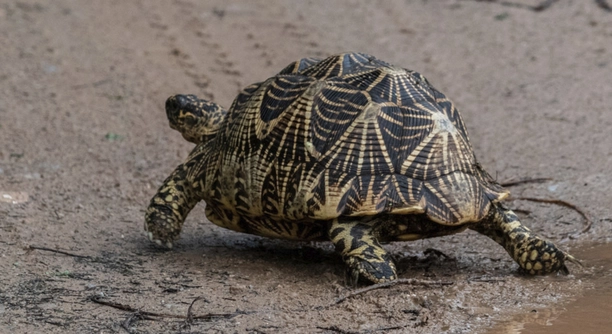
Every star tortoise owner needs to have the right supplies to ensure their pet thrives. Proper care requires a few essential items to create a comfortable and healthy environment for these unique reptiles.
Essential supplies include a spacious enclosure, appropriate substrate, UVB lighting, a heat source, fresh water, food dishes, and a hiding space. These items are crucial for providing your star tortoise with the care it needs to remain healthy and active.
These supplies will support your tortoise’s well-being and help you maintain an optimal living space for them.
Spacious Enclosure
A spacious enclosure is the foundation of a healthy environment for your star tortoise. This reptile needs room to roam, burrow, and explore. A suitable enclosure should be at least four times the length of your tortoise, giving it enough space to move comfortably. Many owners use large plastic bins or wooden enclosures, ensuring there are no sharp edges that could harm your pet. A secure, enclosed space prevents your tortoise from escaping and keeps it safe from potential dangers in your home.
Choosing the right size enclosure is crucial for the comfort and well-being of your star tortoise. It is better to provide extra space rather than too little.
An appropriately sized enclosure allows your tortoise to exercise and maintain its health. It also gives you the ability to control the environment, such as temperature and humidity, which are key factors for their health. The enclosure should have a secure lid to prevent escapes and ensure a safe, controlled habitat for your pet.
Substrate
Selecting the right substrate is an important part of setting up a tortoise’s home. It should mimic the natural habitat and provide a comfortable surface for walking and burrowing.
The substrate should be absorbent, dust-free, and safe. Common choices include coconut coir, organic soil, or a combination of both. These options keep moisture levels balanced and allow your star tortoise to burrow, an activity that promotes its natural instincts. The substrate should be deep enough to allow your tortoise to dig and feel secure. Replacing the substrate regularly ensures it remains clean and healthy for your pet.
The right substrate enhances your tortoise’s well-being and provides a more natural, enriching environment. It also helps in regulating humidity, an important factor for their health.
UVB Lighting
UVB lighting is a vital component of your star tortoise’s habitat. It helps your pet synthesize vitamin D3, which is essential for calcium absorption and bone health. Without proper UVB lighting, your tortoise could develop metabolic bone disease, leading to weakness and deformities.
Set up a UVB light that covers a large area of the enclosure. Make sure the light is positioned within the recommended distance to allow your tortoise to benefit from the UV rays effectively. It’s crucial to replace the bulb every 6-12 months, as the intensity of UVB light decreases over time. Ensure your tortoise has access to the light for about 10-12 hours per day to mimic the natural sunlight cycle.
Always choose a UVB bulb designed specifically for reptiles. Regular exposure to UVB light is necessary for the long-term health of your tortoise. It supports their immune system and helps them maintain a proper calcium balance, reducing the risk of health problems related to poor lighting conditions.
Heat Source
A reliable heat source is necessary to maintain the right temperature gradient in your tortoise’s habitat. Star tortoises are cold-blooded and require a warm basking area, as well as a cooler area for temperature regulation.
Use a heat lamp or ceramic heat emitter to create the basking spot. The basking temperature should range between 90°F to 95°F, allowing your tortoise to absorb enough warmth. The cooler area should be around 75°F to 80°F, which helps the tortoise cool off when needed. Be sure to check temperatures using a reliable thermometer to maintain consistency.
Without proper heat, your tortoise’s metabolism and digestion could slow down, affecting its overall health. A well-balanced temperature gradient promotes healthy activity, digestion, and sleep cycles. It is important to provide a heat source that can maintain a stable environment for your star tortoise throughout the day and night.
Fresh Water
Fresh water is crucial for your star tortoise’s hydration and health. Always provide a shallow water dish that allows your tortoise to drink easily without the risk of drowning. The water should be changed daily to ensure it stays clean and safe.
Place the water dish in a location where your tortoise can access it at all times. A shallow bowl works best since your tortoise is unlikely to submerge itself completely. Clean the bowl regularly to remove any debris and prevent bacterial growth.
Food Dishes
Having proper food dishes makes feeding easier and more efficient. Use sturdy dishes that can hold a variety of vegetables and fruits your tortoise consumes.
Food dishes should be shallow, allowing your tortoise to reach the food without difficulty. Ensure they are heavy enough to prevent tipping. This prevents food from being spilled and makes it easier for your tortoise to eat. Proper food dishes also help in maintaining a clean enclosure by limiting food waste.
Hiding Space
Providing a hiding space for your star tortoise gives it a sense of security. This is essential for their well-being, as tortoises are naturally shy and prefer quiet places to retreat. A hide offers comfort and reduces stress.
Your tortoise will appreciate a place to go when it feels the need for privacy. A simple wooden hide or even a half-log can work well. Ensure that it is large enough for your tortoise to move in and out easily but small enough to provide a cozy, secure feeling.
FAQ
What should I feed my star tortoise?
Star tortoises are herbivores and need a varied diet of leafy greens, flowers, and some fruits. Offer dandelion greens, collard greens, and hibiscus flowers. Avoid high oxalate vegetables like spinach. You can occasionally offer fruits like papaya or melon, but keep it in moderation to avoid excess sugar intake. Fresh grasses are also beneficial, as they mimic their natural diet.
How often should I feed my star tortoise?
Feed your star tortoise every other day to maintain its health. Young tortoises may need daily feeding to support their growth, but adults usually thrive on every other day. It’s important to offer enough food to keep them active and prevent underfeeding. Monitor their eating habits to ensure they are getting enough nutrition.
How much space does a star tortoise need?
A star tortoise needs a spacious enclosure to roam. For an adult, the enclosure should be at least 4 feet long and 2 feet wide, but larger is better. Providing enough space encourages exercise, which is vital for its overall health. Ensure the enclosure is escape-proof and safe from predators.
Do star tortoises need UVB lighting?
Yes, UVB lighting is essential for star tortoises. It helps them synthesize vitamin D3, which is necessary for calcium absorption and bone health. Without UVB light, they may develop metabolic bone disease. Use a UVB light bulb designed for reptiles and replace it regularly to maintain proper strength.
What is the ideal temperature for a star tortoise?
The ideal temperature for a star tortoise should range between 75°F to 85°F in the cooler area and 90°F to 95°F at the basking spot. It’s essential to maintain a gradient of temperatures within the enclosure, allowing your tortoise to regulate its body temperature. Use a thermometer to monitor the environment.
Can star tortoises live outside?
Star tortoises can live outdoors in warm climates, but they must have a secure, escape-proof area. If you live in a climate with temperatures below 75°F, it’s better to keep your tortoise indoors. Make sure to provide shelter and protection from predators. Outdoor enclosures must be well-maintained and safe.
How long do star tortoises live?
Star tortoises can live for 50 years or more with proper care. They are long-lived animals, and it’s important to be prepared for a long-term commitment. Regular check-ups, a proper diet, and a secure environment contribute to their longevity.
What type of substrate is best for a star tortoise?
Coconut coir or organic soil is often the best choice for star tortoises. These materials are soft and absorbent, allowing for natural digging behavior. Avoid using sand or gravel as it can cause impaction if ingested. Keep the substrate clean by changing it regularly to avoid bacterial growth.
Do star tortoises need a basking area?
Yes, a basking area is crucial for star tortoises. It provides them with the warmth they need to regulate their body temperature. A basking spot should be around 90°F to 95°F, and it should be equipped with a heat source such as a lamp or heat emitter. This area should be accessible at all times.
How can I tell if my star tortoise is sick?
Look for signs like lethargy, loss of appetite, or changes in its shell appearance. A healthy star tortoise is active, eats regularly, and has a clean, smooth shell. If you notice any of these symptoms, consult a veterinarian familiar with reptiles. Early detection can help prevent serious health issues.
Can I keep more than one star tortoise together?
While star tortoises can coexist, it’s best to keep them separately, especially if they are not raised together. Males may become aggressive toward each other, and stress can lead to health issues. If you choose to house multiple tortoises together, make sure there is enough space and hiding spots to reduce aggression.
How often should I clean my star tortoise’s enclosure?
Clean the enclosure at least once a week, but spot clean daily. Remove any uneaten food, feces, and soiled substrate regularly to prevent bacterial growth. Scrub the water dish and food bowls with mild soap and water, and disinfect the entire enclosure periodically to keep it safe for your tortoise.
Can I bathe my star tortoise?
Yes, you can gently bathe your star tortoise. Use warm water, ensuring it’s shallow enough to prevent drowning. Bathing helps with hydration and can also aid in shedding the scutes on its shell. Make sure the water is not too deep and that your tortoise doesn’t become stressed.
What should I do if my star tortoise isn’t eating?
If your star tortoise isn’t eating, check for environmental factors like temperature, humidity, and lighting. Stress, illness, or an improper diet could also be the cause. Make sure it has access to fresh food, clean water, and a proper basking area. If the problem persists, consult a vet for advice.
Can I feed my star tortoise commercial pellets?
While commercial pellets can be included in your tortoise’s diet, they should not be the main food source. Offer a variety of fresh greens and flowers to provide a more natural and nutritious diet. Use pellets as a supplement to ensure your tortoise gets all the necessary nutrients.
Final Thoughts
Caring for a star tortoise involves attention to detail and consistency. These creatures thrive in a well-maintained environment that mirrors their natural habitat. Ensuring proper diet, lighting, temperature, and space is crucial for their well-being. The key to a healthy star tortoise is understanding its basic needs and providing them with the right conditions to live comfortably. By paying attention to the essentials, you can create a long-lasting bond with your tortoise.
While star tortoises are relatively low-maintenance compared to other pets, they require a stable routine. Consistency in feeding, cleaning, and temperature management ensures they stay healthy and active. Regular health checks and a balanced diet are necessary to prevent common health problems, such as shell rot and metabolic bone disease. Offering variety in their diet with safe greens, vegetables, and fruits helps keep their meals interesting and nutritionally balanced.
Patience is important when keeping a star tortoise. They are slow movers and can take their time adjusting to new environments or routines. It’s essential to let them explore their space and feel secure in their surroundings. Over time, with proper care and attention, a star tortoise can become a fascinating companion, offering years of enjoyment and connection.

Hello,
If you enjoy the content that we create, please consider saying a "Thank You!" by leaving a tip.
Every little bit helps us continue crafting quality advice that supports the health, happiness, and well-being of pets around the world, for pets of all shapes, sizes, and species.
We really appreciate the kindness and support that you show us!