
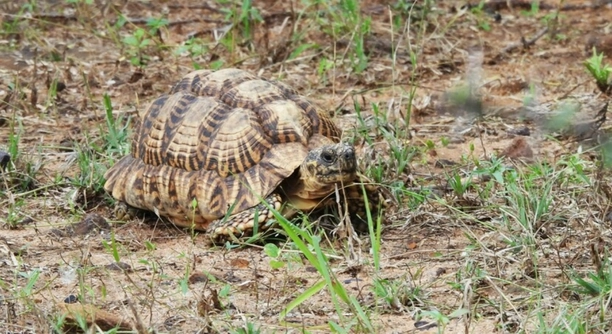
If your star tortoise is acting a bit differently lately, you might be feeling confused or concerned. A change in behavior can signal many things, so it’s important to pay attention and understand what’s happening with your pet.
Your star tortoise may be acting strange due to stress, improper environment, illness, or diet changes. These factors can cause behaviors such as lethargy, hiding, or lack of appetite. Addressing these issues will help restore your tortoise’s health and comfort.
Making a few adjustments to your pet’s environment or diet can go a long way. By understanding the potential causes, you’ll be better equipped to address and resolve these issues for your tortoise’s well-being.
Stress and Anxiety Can Lead to Odd Behavior
Star tortoises, like any pet, can experience stress, which may cause them to act differently. Changes in their environment, noise, or even the presence of other animals can trigger anxiety. If your tortoise is acting strangely, such as becoming overly skittish or refusing to eat, stress may be the cause. It’s important to ensure that your pet feels secure. Keeping their habitat quiet, consistent, and safe will help reduce stress. A tortoise that is stressed will often retreat into its shell and may not engage with its surroundings as it usually would. Over time, prolonged stress can affect their health and behavior.
Sometimes, it only takes small changes to help them feel comfortable again. Keep in mind that these creatures thrive in a peaceful environment with plenty of space to move around. Remove loud noises and try to create a calm, secure habitat for them.
With stress addressed, it’s easier to see if other factors, such as diet or temperature, may be contributing to the problem. Creating a stable environment is a key first step in helping your tortoise get back to normal. If stress continues, it might be helpful to seek advice from a vet.
Improper Habitat Conditions
Temperature and humidity play a huge role in your tortoise’s well-being. If the habitat isn’t set up correctly, it can cause stress and odd behavior. Tortoises need a warm basking area and a cooler, shaded part of the enclosure. The temperature should be between 75°F and 85°F during the day. At night, it should not drop below 70°F. Without the proper heat, your tortoise may act lethargic or avoid eating altogether.
A humidity level that’s too low can also cause issues. Star tortoises need moderate humidity to stay healthy, so ensure there is some moisture in the air. The wrong conditions can lead to dehydration, making your tortoise feel off. Make sure you’re checking both temperature and humidity regularly to keep things in balance.
If you’re unsure of the best setup, invest in a thermometer and hygrometer to keep track of your tortoise’s environment. Maintaining these factors will help keep your tortoise feeling its best.
Diet Problems Can Affect Your Tortoise’s Behavior
What your star tortoise eats has a direct impact on how it behaves. If their diet is lacking in essential nutrients, they may become sluggish, lose appetite, or stop moving around as much. A star tortoise needs a high-fiber diet made up of grasses, weeds, and some leafy vegetables. Make sure you are providing a balanced diet that mimics what they would eat in the wild. Overfeeding or feeding the wrong foods can also lead to weight gain or digestive issues, which will affect their activity levels.
A healthy tortoise should have a well-rounded diet with a mix of plants and occasional calcium supplements. If your tortoise is acting differently, consider whether their food choices are adequate. An unbalanced diet could easily lead to changes in behavior.
If you think their diet might be the problem, start by reviewing what you’ve been feeding them and adjust accordingly. A visit to the vet might also help clarify any underlying issues with nutrition that could be affecting your pet’s behavior.
Illness or Injury Can Alter Behavior
If your star tortoise is acting strangely, it could be due to an illness or injury. These pets tend to hide their discomfort, so changes in behavior can be a sign of something more serious. Look out for signs such as swelling, limping, or changes in eating and drinking habits.
Illnesses like respiratory infections or shell rot can cause lethargy and poor appetite. If your tortoise seems off, inspect its shell for any soft spots or signs of infection. Ensure your pet is moving around comfortably, without favoring one leg. You may need to consult a vet if symptoms persist.
An injury can also lead to behavior changes. A fall, bite, or any physical damage to the shell or limbs may cause discomfort. Make sure your tortoise’s enclosure is safe and free from sharp objects that could cause harm. Check for any signs of pain, like a reluctance to move or eating.
Overheating or Cold Stress Affects Activity
Extreme temperatures, whether too hot or too cold, can cause your tortoise to act differently. If it’s too hot, your tortoise may become lethargic, seek shade constantly, or hide in its shell. On the other hand, a drop in temperature can cause them to become sluggish, unwilling to eat, and even retreat into their shells for long periods.
Ensure the temperature gradient in your tortoise’s habitat is balanced, with a basking spot that’s warm but not overly hot. Too much heat can lead to dehydration or heatstroke. If the temperature is too low, it can slow down their metabolism, making them less active. Tortoises can also lose their appetite when they’re too cold.
Consider using a heat lamp during cooler months and adjust the basking area accordingly. If you’re uncertain, invest in a thermometer to monitor the temperature. Always provide a place where your tortoise can escape from excessive heat or cold.
Lack of Space Can Cause Distress
A small enclosure can make your star tortoise feel trapped, leading to strange behavior. Tortoises need plenty of space to move around, explore, and exercise. Without enough room, they may become stressed and inactive.
If your tortoise’s habitat feels too cramped, consider upgrading to a larger enclosure. A bigger space will allow your tortoise to roam freely and maintain better health. This can reduce stress and encourage more natural behaviors. You’ll also need to include areas where your tortoise can hide or retreat when it feels overwhelmed.
Poor Lighting Can Affect Your Tortoise’s Mood
Proper lighting is essential for your star tortoise’s health. Without the right kind of lighting, your pet may become inactive, lethargic, or behave unusually. UVB lighting helps tortoises process calcium and supports their overall well-being. If your tortoise is acting strange, poor lighting might be the cause.
The light should be positioned to allow your tortoise to bask in natural warmth. A UVB bulb should be used for 10-12 hours daily. Keep in mind that UVB light needs to be replaced every 6 months, as its effectiveness decreases over time. Without it, your tortoise can develop calcium deficiencies and related issues.
Tortoise’s Age Can Impact Behavior
The age of your star tortoise can influence how it behaves. Young tortoises are more active and curious, while older tortoises may slow down, become less interactive, and spend more time resting. A change in behavior as they age is perfectly natural and doesn’t always signal a problem.
FAQ
Why is my star tortoise not eating?
If your star tortoise isn’t eating, it could be due to a few different factors. Stress is one of the most common reasons for a loss of appetite. A change in environment, handling, or a new pet in the house can all make your tortoise feel uneasy. Another reason could be improper temperature or lighting conditions. If the habitat is too cold or too hot, your tortoise might refuse to eat. Additionally, an unbalanced diet or insufficient food can also cause them to lose interest in eating. Check their environment and diet to ensure it’s optimal.
How do I know if my tortoise is stressed?
Stress in star tortoises can show in different ways. If your tortoise is hiding more than usual, not moving around much, or withdrawing into its shell when approached, stress could be the cause. Other signs include loss of appetite, rapid breathing, or increased aggression. If you suspect stress, take a look at their surroundings. Are there loud noises, a new pet, or changes in their enclosure? Reducing stress factors and ensuring a calm environment can help.
Is it normal for my tortoise to sleep a lot?
Tortoises are known to sleep a lot, especially when they are young or during colder months. They are cold-blooded creatures and need warmth to stay active, so they may become more lethargic in lower temperatures. However, if your tortoise is sleeping excessively, it could be a sign of a health issue or improper conditions. If the environment is too cold or too warm, it might affect your tortoise’s activity. Make sure the temperature and humidity are properly regulated to keep your tortoise comfortable.
What should I do if my tortoise has shell rot?
Shell rot is a serious condition and should be addressed immediately. It often appears as soft, discolored, or foul-smelling areas on the shell. Shell rot can be caused by poor humidity levels, dirty environments, or injury. To treat it, first clean the affected area with a gentle antiseptic solution. Make sure your tortoise is kept in a clean, dry, and well-ventilated habitat. You may need to take your tortoise to a vet for further treatment, including topical medications or even surgery in severe cases.
Why is my tortoise moving slowly?
If your tortoise is moving slowly, it could be due to a number of reasons. It might simply be a sign of aging, as older tortoises tend to slow down. Alternatively, your tortoise might be too cold. Since tortoises are cold-blooded, they rely on external temperatures to regulate their body heat. If the habitat is too cold, they may become sluggish. Check your tortoise’s environment, including temperature, lighting, and humidity. If everything seems in order and the slow movement persists, a visit to the vet may be necessary to rule out health issues.
How can I improve my tortoise’s diet?
A proper diet is essential for your tortoise’s health. Star tortoises primarily need a high-fiber diet, which consists of grasses, leaves, and some vegetables. Avoid feeding them too many fruits or processed foods, as this can lead to digestive issues. You can also offer calcium supplements to support shell and bone health. Make sure that any plants provided are safe and free from pesticides. Offering variety within these foods ensures that your tortoise gets a well-rounded diet. If you are unsure about the best diet, consider consulting with a vet who specializes in reptiles.
What is the best way to clean my tortoise’s enclosure?
Regular cleaning of your tortoise’s enclosure is vital for its health. Start by removing uneaten food and feces daily. Use a mild soap solution or reptile-safe disinfectant to clean surfaces, including the walls, floor, and any accessories like water dishes and hiding spots. Make sure to rinse thoroughly to remove any soap residue. Once a week, you should perform a more thorough cleaning, changing the substrate if needed and replacing the water. Keeping the habitat clean will reduce the chances of infections and help your tortoise stay healthy.
Can my star tortoise live outside?
Yes, star tortoises can live outdoors, but only in suitable climates. If you live in a warm area with mild temperatures, you can create an outdoor enclosure with proper fencing to keep your tortoise safe. Make sure the enclosure has enough shade, a sheltered area, and access to clean water. In cooler climates, it’s essential to bring your tortoise indoors during the colder months to avoid health problems. Outdoor enclosures also need to be predator-proof and escape-proof, so be sure to check that it is secure.
Why is my tortoise basking too much?
If your tortoise is basking excessively, it might be an indication that the temperature in the enclosure is too hot. Tortoises need a basking area to help regulate their body temperature, but it should be within the recommended range. If they are spending too much time basking, the heat may be overwhelming. Adjust the temperature in the enclosure, ensuring the basking area is around 85°F to 90°F, with a cooler side for your tortoise to retreat to if needed. Keep an eye on your tortoise’s behavior to ensure it’s comfortable.
What can I do if my tortoise is biting or showing aggression?
Aggression in star tortoises is uncommon but can happen, especially during mating seasons or when they feel threatened. Biting or aggression could also be caused by improper handling or a stressful environment. If your tortoise is acting aggressively, try to reduce stress in its surroundings. Ensure that the habitat is quiet and safe. Also, try not to handle your tortoise too often, as it may lead to frustration. If the aggression continues, it’s a good idea to consult with a vet to rule out any underlying health issues.
Final Thoughts
Understanding your star tortoise’s behavior is key to ensuring its well-being. These creatures are unique and can show signs of stress, illness, or discomfort in various ways. When your tortoise acts differently than usual, it’s important to consider a range of factors, from its environment to diet. A change in behavior doesn’t always mean something is seriously wrong, but it should be addressed as soon as possible. Paying close attention to their habitat, diet, and overall health can help you prevent many issues before they become more serious.
One of the most important things you can do for your tortoise is to make sure it has a comfortable and safe environment. A proper enclosure with the right temperature, humidity, and lighting is essential for your tortoise’s health. When these factors are not right, it can lead to stress, illness, or lethargy. Regularly cleaning the enclosure, providing fresh food, and ensuring your tortoise gets enough space to roam can greatly improve its well-being. In some cases, if the behavior change continues or worsens, a visit to the vet may be necessary to rule out health issues like infections or shell rot.
Ultimately, your star tortoise depends on you to provide the best care possible. By learning about the common causes of behavior changes and taking action early, you can help keep your pet healthy and happy. Adjusting their diet, maintaining a proper habitat, and reducing stress can go a long way in keeping them content. With time, you’ll develop a better understanding of what’s normal for your tortoise and how to respond to any changes. With the right care and attention, your star tortoise will continue to thrive.

Hello,
If you enjoy the content that we create, please consider saying a "Thank You!" by leaving a tip.
Every little bit helps us continue crafting quality advice that supports the health, happiness, and well-being of pets around the world, for pets of all shapes, sizes, and species.
We really appreciate the kindness and support that you show us!